


AMECO AFRICA / ADDIS ABABA
October ,2026 —The Abay (Blue Nile) offers Ethiopia a route to electricity generation, economic growth and reduced poverty. Its use remains contested, raising questions about equitable access to shared water and the development rights of upstream countries.
Ethiopia's position
Ethiopia says historical water-use arrangements should not prevent upstream states from pursuing development. It objects in particular to...

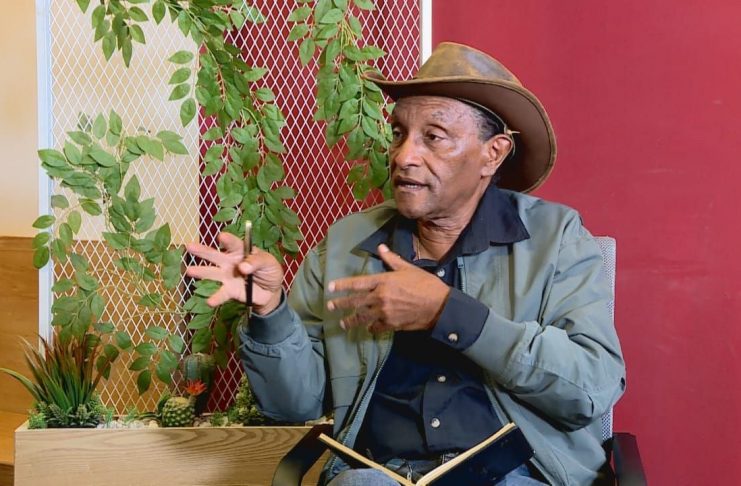
About the Author: Alemayehu Gebre-Mariam is an emeritus professor of political science at California State University and an attorney at law. He is a renowned commentator on Ethiopian and international affairs.
Disclaimer: The perspectives expressed in this article belong exclusively to the author and do not necessarily represent the editorial policy of Amhara Media Corporation.
𝐄𝐠𝐲𝐩𝐭 𝐚𝐧𝐝 𝐄𝐫𝐢𝐭𝐫𝐞𝐚 𝐦𝐮𝐬𝐭 𝐮𝐧𝐝𝐞𝐫𝐬𝐭𝐚𝐧𝐝 𝐭𝐡𝐫𝐞𝐞...

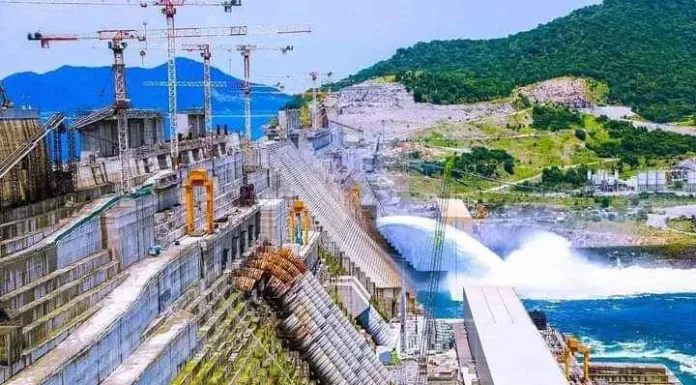
Addis Ababa (AMECO) - The Grand Ethiopian Renaissance Dam (GERD) is rapidly emerging as an anchor for East Africa’s regional energy grid, exporting electricity across borders and generating crucial foreign currency reserves for Addis Ababa.
In a recent on-site report broadcast on TikTok, international broadcaster CNN highlighted the immense scale and cross-border potential of the hydroelectric infrastructure on the Abay...
AMECO AFRICA / ADDIS ABABA
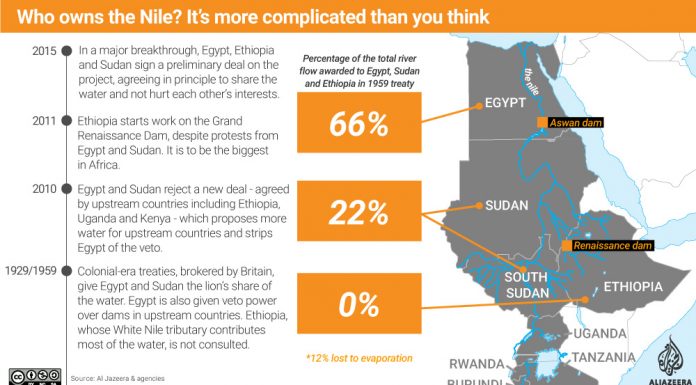
October 6 ,2026 - For over a century, the Nile River flowed under the shadow of colonial-era treaties that assigned total ownership to downstream states while leaving the nations providing nearly all of its water in economic darkness. Today, that hydro-monopoly has permanently shattered.
At the center of this historical shift is a simple, irreversible reality:...
By Gelila Adamu
Gondar’s “Mesob” One-Stop Service Center Connects History with Modern Public Services
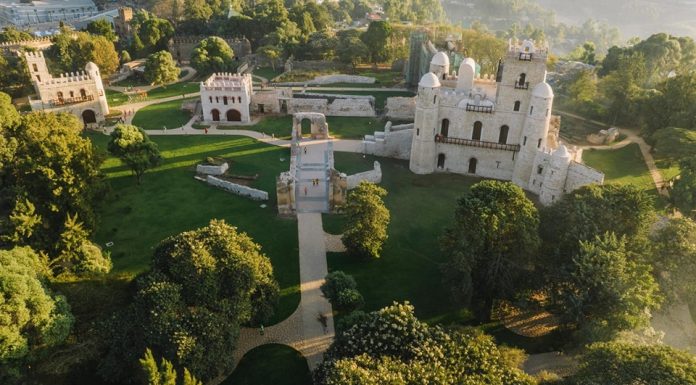
The historic city of Gondar has completed the construction of its “Mesob” One-Stop Service Center, a facility designed to address challenges in public service delivery and enable residents to access multiple government services under one roof.
Residents of Gondar, Adugna Eshetie and Getaneh Asires, told AMECO that the...
AMECO AFRICA / ADDIS ABABA
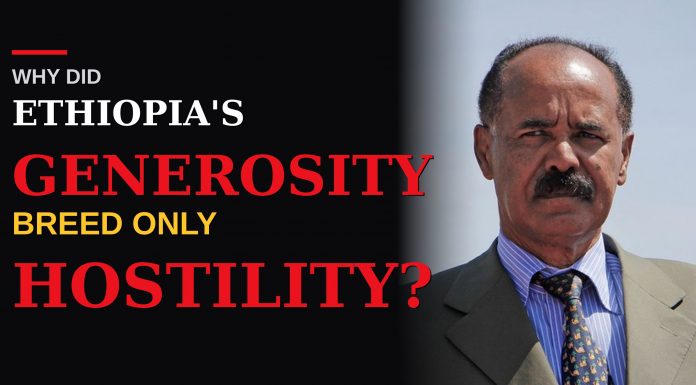
October ,2026—Ethiopia accepted Eritrean independence in 1993. Within five years, the two countries were at war.
On paper, it was the cleanest of endings. A referendum produced a new state, and the government in Addis Ababa formally recognized it. The two movements that had fought their way into power, one in Asmara and one in Addis...
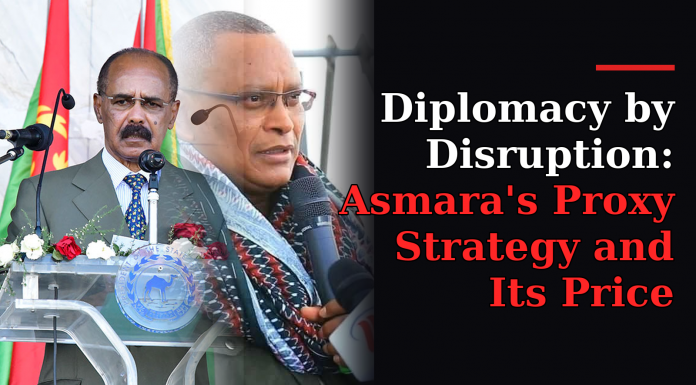
AMECO AFRICA / ADDIS ABABA
For more than two decades, researchers say, Asmara has armed and sheltered Ethiopia's enemies. The leverage was real, but the regime has paid for it with its standing, its credibility and its control.
For more than twenty years, according to scholars of the Horn of Africa, groups bent on destabilizing Ethiopia have found sanctuary across one...

AMECO AFRICA / ADDIS ABABA
In the span of one week, Cairo expelled Ethiopian diplomats, summoned its friends to a summit and warned that it could treat an upstream power plant as an act of war. Ethiopia's offense, in Egypt's eyes, is turning on the lights.
Egypt's latest escalation shows that its quarrel is not with any single dam. It is...

AMECO AFRICA / Addis Ababab
October ,2026— Sustainable peace is more than the absence of conflict. It is the foundation upon which societies build economic opportunity, social stability, strong institutions and a shared national future.
For Ethiopia, strengthening peace and security remains closely connected with the country’s broader aspirations for development and national renewal. Peace enables citizens to work and invest...
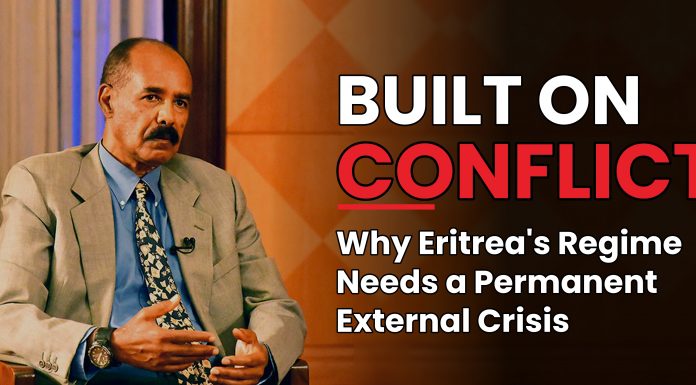
AMECO AFRICA / ADDIS ABABA
Researchers argue that repression at home and belligerence abroad are not separate policies but a single strategy for keeping one-man rule alive.
Eritrea's war with Ethiopia officially ran from 1998 to 2000. The state of emergency it created never ended.
What followed was a prolonged "no war, no peace" standoff, and scholars say it did more than...