



AMECO AFRICA / ADDIS ABABA
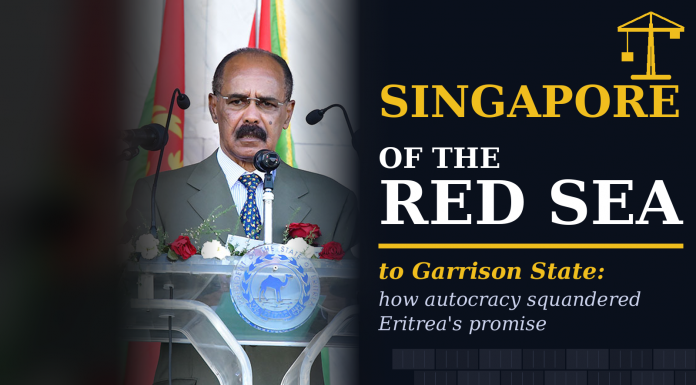
Three decades ago, Eritrea had the coastline, the ports and the goodwill to become the Horn of Africa's trading hub. Today it is one of the world's most closed states.
In the early 1990s, Eritrea looked like a bet worth making. Independence had just been won after a thirty-year war, and the new state held some...

AMECO AFRICA / ADDIS ABABA
In the span of one week, Cairo expelled Ethiopian diplomats, summoned its friends to a summit and warned that it could treat an upstream power plant as an act of war. Ethiopia's offense, in Egypt's eyes, is turning on the lights.
Egypt's latest escalation shows that its quarrel is not with any single dam. It is...
AMECO AFRICA / ADDIS ABABA
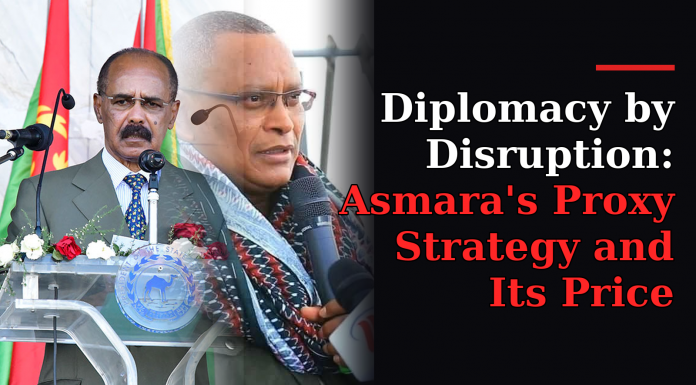
For more than two decades, researchers say, Asmara has armed and sheltered Ethiopia's enemies. The leverage was real, but the regime has paid for it with its standing, its credibility and its control.
For more than twenty years, according to scholars of the Horn of Africa, groups bent on destabilizing Ethiopia have found sanctuary across one...
AMECO AFRICA / ADDIS ABABA
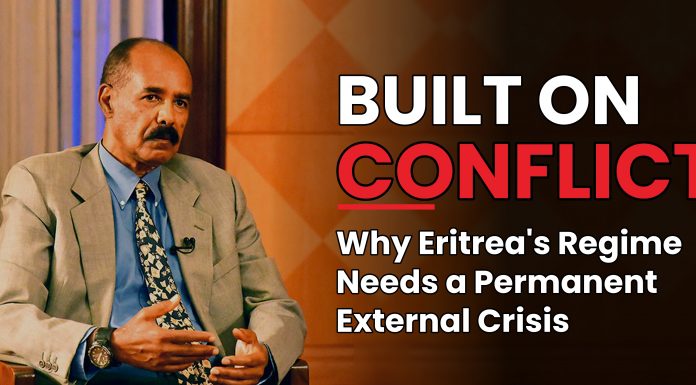
Researchers argue that repression at home and belligerence abroad are not separate policies but a single strategy for keeping one-man rule alive.
Eritrea's war with Ethiopia officially ran from 1998 to 2000. The state of emergency it created never ended.
What followed was a prolonged "no war, no peace" standoff, and scholars say it did more than...
AMECO AFRICA / ADDIS ABABA
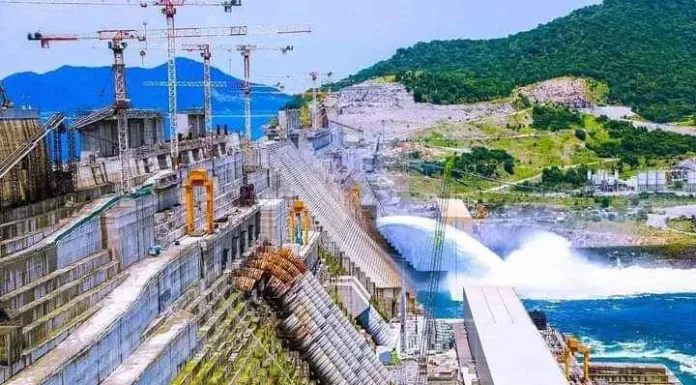
October ,2026 —The Abay (Blue Nile) offers Ethiopia a route to electricity generation, economic growth and reduced poverty. Its use remains contested, raising questions about equitable access to shared water and the development rights of upstream countries.
Ethiopia's position
Ethiopia says historical water-use arrangements should not prevent upstream states from pursuing development. It objects in particular to...
AMECO AFRICA / ADDIS ABABA
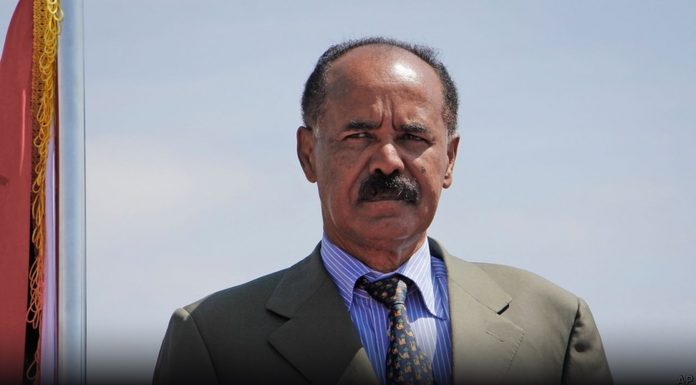
October,2026 —Shaebia bet that a divided Ethiopia was an asset. Scholars say that bet is costing Eritrea far more than it won, while Ethiopia moves on.
Ethiopia says Eritrean troops have crossed into its territory. Eritrea's reply came not at the border but in a letter to the UN Security Council, accusing Addis Ababa of threatening...
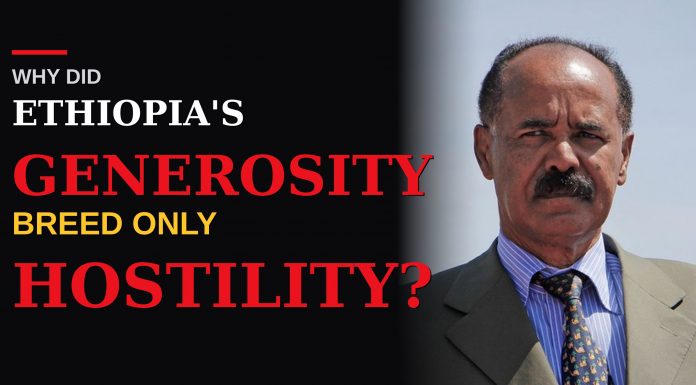
AMECO AFRICA / ADDIS ABABA
October ,2026—Ethiopia accepted Eritrean independence in 1993. Within five years, the two countries were at war.
On paper, it was the cleanest of endings. A referendum produced a new state, and the government in Addis Ababa formally recognized it. The two movements that had fought their way into power, one in Asmara and one in Addis...
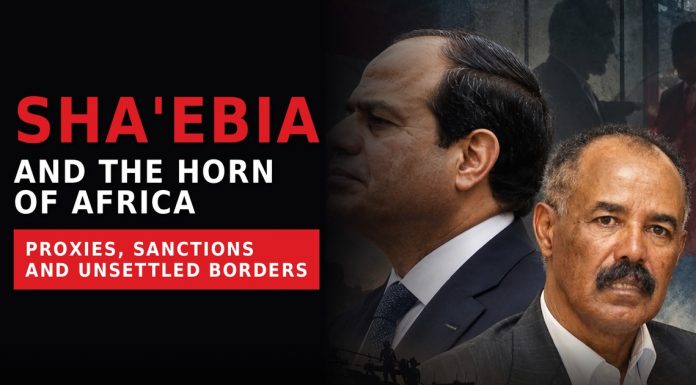
AMECO AFRICA / ADDIS ABABA
October ,2026—An axe does nothing on its own. It needs a man to swing it, a handle to carry the force and a blade to land the blow.
That image captures the threat Ethiopian officials now describe. The man is the Egyptian regime , the handle is Sha'ebia, and the blade is the hardliners of the...

AMECO AFRICA /ADDIS ABABA
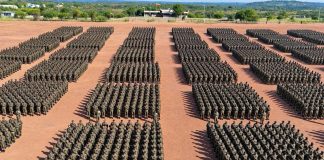
October,2026— From the Korean Peninsula in 1951 to the borderlands of Abyei and Somalia, Ethiopian service members have served as core components of international security operations for over seven decades. Operating under UN and African Union mandates, the Ethiopian National Defence Force (ENDF) has maintained a continuous presence in some of the world's most complex conflict...

AMECO AFRICA / ADDIS ABABA
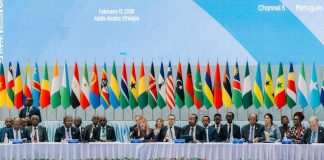
October 7, 2026 —A state that signed a cooperation agreement, offered to share its flagship airline, and kept its tanks at home is now told by four capitals that it has no place on the sea and no say over its own river. That is the logic of the Alamein Declaration.
On October 4, the leaders...