AMECO AFRICA / ADDIS ABABA
October ,2026 —The Abay (Blue Nile) offers Ethiopia a route to electricity generation, economic growth and reduced poverty. Its use remains contested, raising questions about equitable access to shared water and the development rights of upstream countries.
Ethiopia’s position
Ethiopia says historical water-use arrangements should not prevent upstream states from pursuing development. It objects in particular to the 1959 agreement between Egypt and Sudan, which divided the Nile’s waters between those two countries without Ethiopia’s participation.
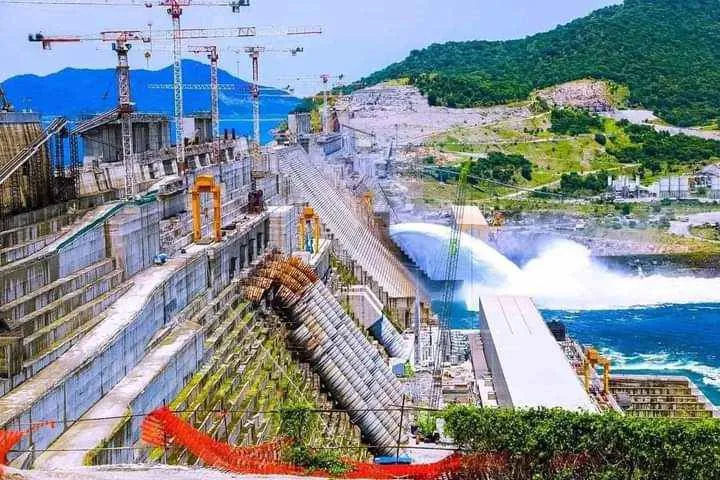
Egypt depends heavily on the Nile for agriculture, drinking water and other essential needs. Egypt has described the Grand Ethiopian Renaissance Dam (Gerd) as a threat and has criticised what it calls Ethiopia’s “unilateral actions”. Ethiopia says the dam does not harm downstream countries.
Ethiopia contributes a large share of the water flowing into the Nile system [figure and source needed]. The prime minister, Abiy Ahmed, said in [date, venue] that Ethiopia has a right to use its water resources without causing significant harm downstream [source needed].
The dam
Gerd, inaugurated on 9 September 2025, is designed mainly to generate hydropower, with a capacity of more than 5,000MW. Ethiopia says its output will support industry and widen access to electricity.
Water generally continues downstream after passing through turbines, but dam operations and reservoir management can affect the timing and volume of flows. Ethiopia’s water and energy minister, Habtamu Itefa Geleta, has said Ethiopia does not intend to block the river [date and source needed].
Cooperation
The 2015 Declaration of Principles, signed by Ethiopia, Egypt and Sudan, set out principles including equitable and reasonable utilisation and the peaceful resolution of disputes. The three countries have since disagreed over how it should be applied.
Practical steps could include regular exchange of hydrological data, joint scientific assessments, coordinated drought responses and continued talks on dam operations.
Ethiopia’s need for electricity is a legitimate consideration, as is Egypt’s dependence on the river. Any lasting settlement will have to recognise both.