
14 September, 2026
Addis Ababa ( AMECO) – Beyond marking the start of a new calendar year, the arrival of Meskerem (September) in Ethiopia functions as an annual cultural and ecological reset, offering communities a practical framework for social renewal, peacebuilding, and environmental restoration following months of heavy winter rains.
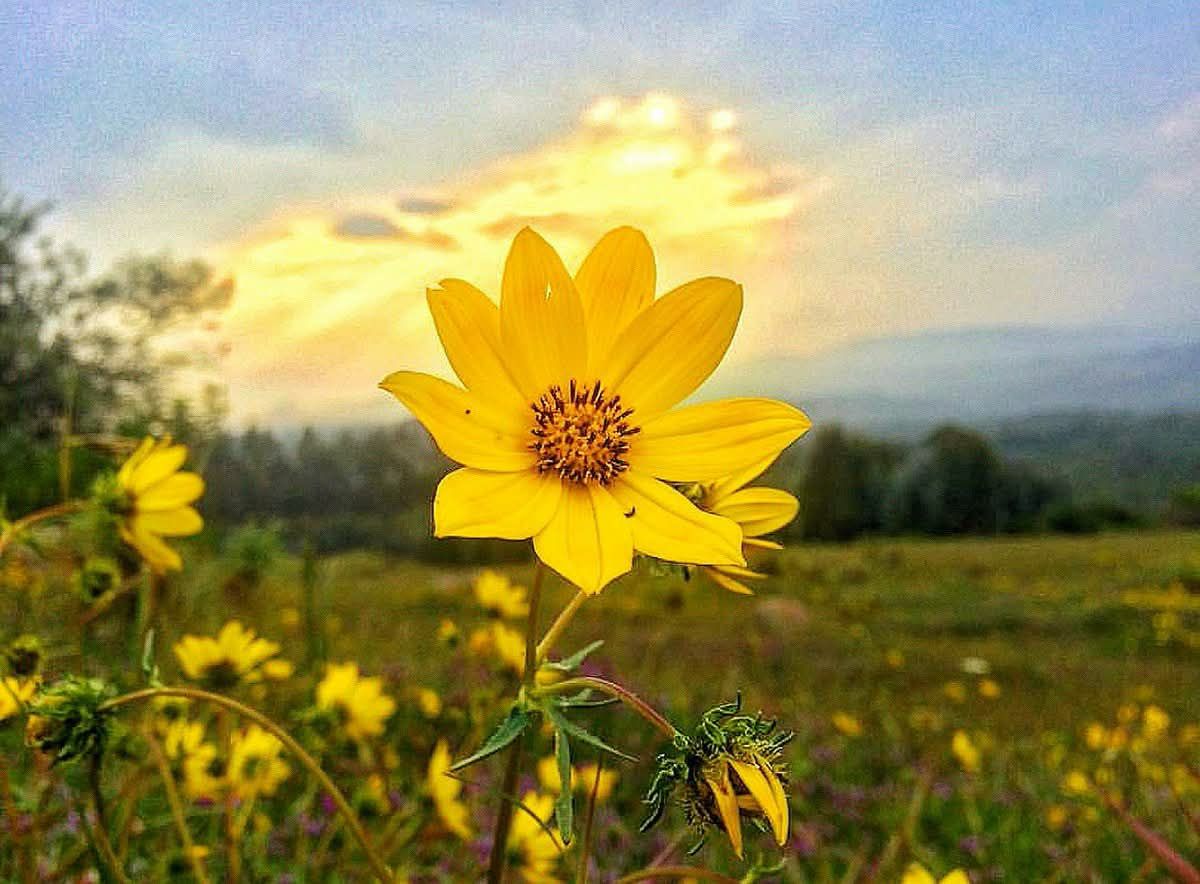
As the severe downpours of the Kiremt season recede, the period brings immediate relief across rural and urban landscapes. The countryside is carpeted in yellow Adey Abeba (wild daisies), rivers clear, and warmer weather returns. Beyond its natural beauty, Meskerem serves as a vital social instrument—a designated time for family reunions, community forgiveness, and regional reconciliation after seasonal isolation.
Cultural traditions take centre stage throughout the month. Children go door-to-door offering hand-drawn floral sketches as symbols of goodwill, while families gather around Demera (large ceremonial bonfires) dressed in traditional white attire. For Ethiopians, the festival of Enkutatash (New Year) and the wider Meskerem season blend national identity, spiritual devotion, and cultural heritage into a shared experience of renewal.
This seasonal transformation has long inspired Ethiopia’s leading literary and artistic figures, who view Meskerem as a metaphor for resilience and national rebirth:
-
Bealu Girma, the celebrated novelist, described it as the “king of months,” writing: “Meskerem is the month of bright sunshine, love, and fresh hope—a time when Ethiopia emerges from the cocoon of fog and clouds where it huddled through winter, displaying its beauty, colour, and air to the world.”
-
Tsegaye Gebre-Medhin, the poet laureate, characterized the month as a union of heritage and nature: “Ethiopia embodies the onset of the Adey Abeba, the Meskel bonfire, and autumn light. Meskerem is the crown of Enkutatash, where this country’s history and nature marry and shine together.”
-
Gebre Kristos Desta, the modernist painter and poet, captured its spiritual dimension: “Transform the year with your fragrance / Let old creation be renewed, let it become anew.”
-
Ejigayehu Shibabaw (Gigi), the renowned singer, popularized the season’s joyful spirit in song, celebrating “Meskerem in full bloom / Bright Enkutatash, joy to the world,” connecting regional renewal with universal peace.
Ultimately, Meskerem remains an enduring symbol of hope in Ethiopia—a seasonal stamp of peace, environmental vibrancy, and social connection that offers a model for communal healing year after year.