
14 September, 2026
Addis Ababa (AMECO) – Agricultural researchers in Ethiopia’s Amhara region have released six new drought- and heat-resistant crop varieties to boost food security and protect smallholder farmers against increasingly erratic rainfall.
The releases—comprising three maize, one teff, one chickpea, and one potato variety—were developed by the Amhara Agricultural Research Institute (AARI) during the 2018 Ethiopian fiscal year to target vulnerable, low-rainfall farming zones.
Dr Alemayehu Assefa, director of crop research at the institute, said six of seven planned crop varieties were successfully delivered to local farmers during the review period. He noted that the new strains are specifically adapted for arid conditions, offering high yields, short maturation cycles, and suitability for irrigated farming.
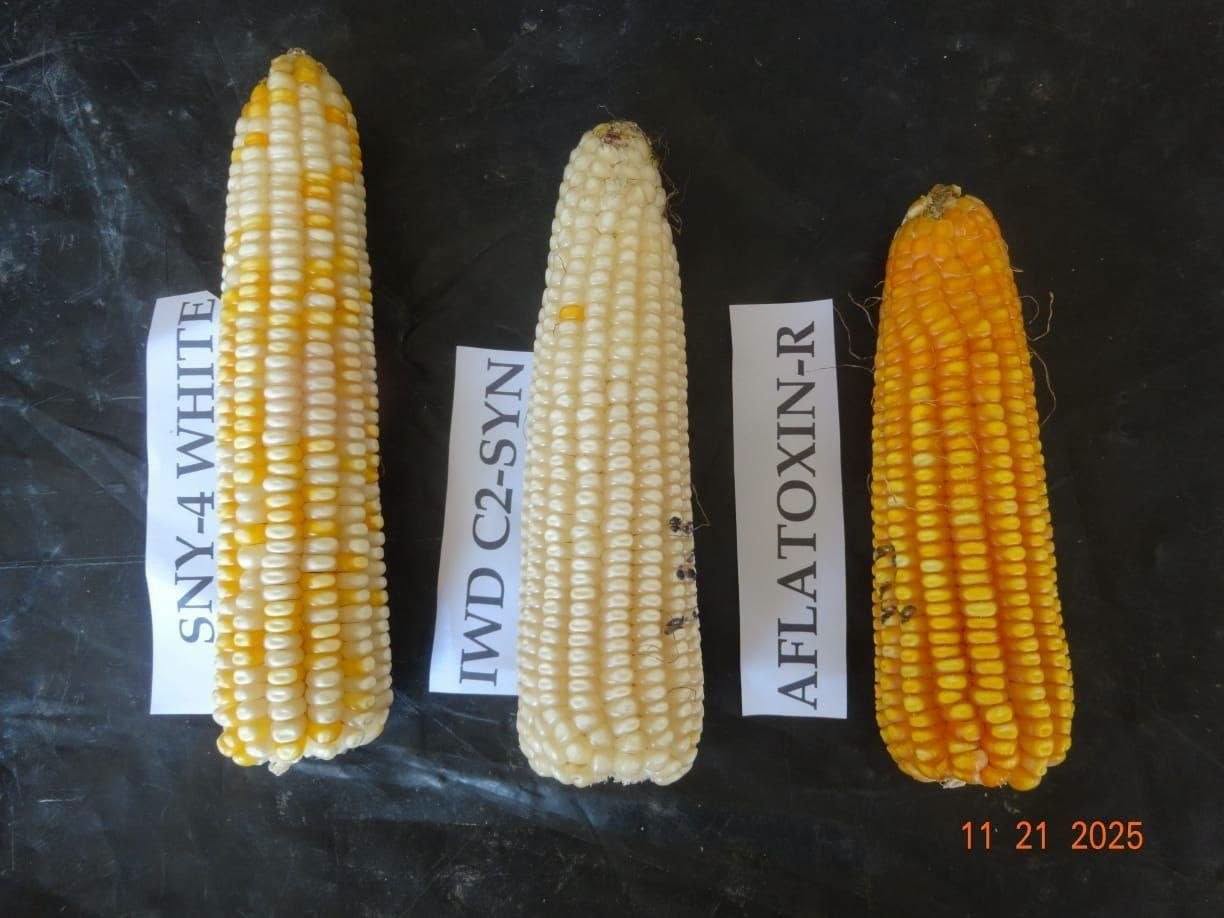
Among the innovations, three maize varieties developed by the Gonder Agricultural Research Centre demonstrate strong resilience to both drought and invasive weeds. The fast-maturing maize strains were designed specifically for dry districts such as Wag Hemra and Belesa, where brief rainy seasons frequently cut traditional crop cycles short.
In addition, a high-yielding potato variety developed at the Adet Agricultural Research Centre reaches maturity in less than two months, offering rapid relief to communities facing seasonal food deficits.
Alemayehu pointed to earlier research successes as evidence of the strategy’s effectiveness, citing the widespread adoption of ‘Enku’ finger millet and ‘Melkam’ sorghum, as well as mung bean varieties that have become key cash crops for local growers.
However, researchers emphasized that crop science alone cannot resolve the regional climate crisis. Alemayehu warned that to build long-term resilience against El Niño events and recurring dry spells, the distribution of new crop varieties must be paired with comprehensive soil and water conservation projects.
Looking ahead, the institute plans to test and evaluate 14 additional crop varieties during the next fiscal year.