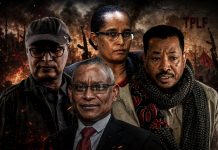
Addis Ababa, (AMECO) — Concrete indicators that the TPLF is preparing for broad military conflict have mounted as key figures, including Debretsion Gebremichael, Fetlework Gebregziabher and army commander Migbey Haile, accelerate force mobilisation across Tigray. The hardline faction’s rigid stance has stalled international diplomatic initiatives, raising fears of a repeat of the 2020 conflict, which caused devastating casualties, destroyed essential services and set back regional development by decades.
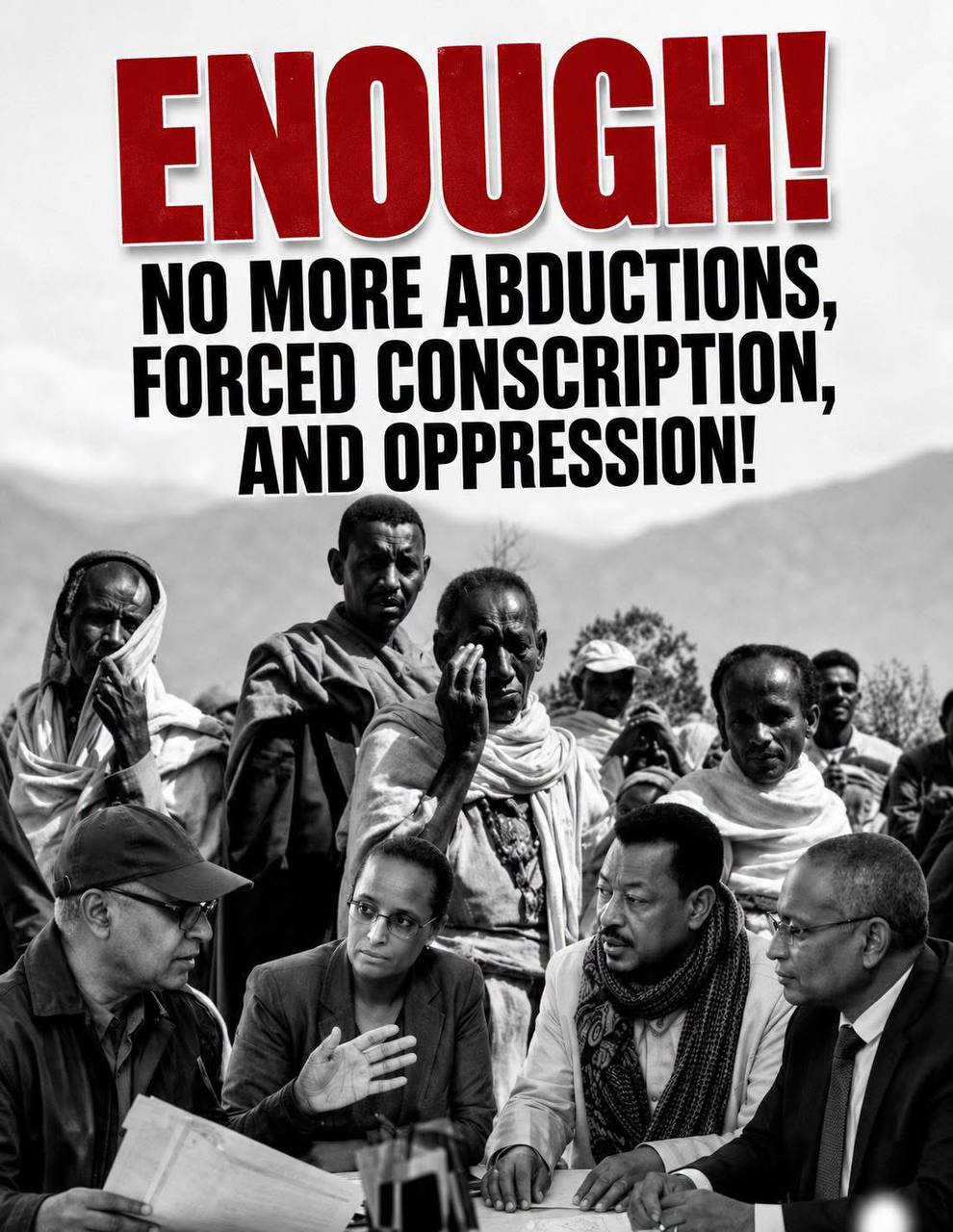
To supply forces for an anti-government coalition seeking to overthrow prime minister Abiy Ahmed’s democratically elected government through force of arms, the TPLF has instituted severe internal conscription laws. Draft legislation circulating in the region mandates compulsory military service for all eligible individuals. Refusing conscription or voicing political opposition carries sentences ranging from 5 to 25 years’ imprisonment, or potentially the death penalty.
‘Anyone who refuses conscription is branded a renegade and a traitor to the Tigrayan people, facing prison sentences ranging from 5 to 25 years – or even the death penalty,’ said TPLF co-founder turned sharp critic Dr Aregawi Berhe. ‘This directly reflects the TPLF’s underlying political and ideological stance. They do not believe in negotiated settlements; they believe in achieving their ambitions through brute force.’
Tracing the movement’s political lineage to its foundational Marxist-Leninist League of Tigray (MLLT) core, Dr Aregawi, who broke with the leadership after co-founding the front, stressed that the current command structure relies heavily on authoritarian coercion.
‘For years, they have claimed that “the TPLF and the Tigrayan people are one and the same”, which is both false and illogical. A political party is an ideological organisation, whereas a population is naturally pluralistic,’ Dr Aregawi added. ‘This is the classic nature of an authoritarian, ultra-leftist organisation… It is the behaviour of an authoritarian, almost fascist, entity.’
The military build-up comes amid the effective collapse of the 2022 African Union-led Pretoria Cessation of Hostilities Agreement. Observers and party veterans note that hardliners within the front entered negotiations in South Africa solely to avert imminent battlefield defeat, using the resulting ceasefire as a tactical pause to rearm and reassemble their forces. The current push for war mirrors the uncompromising political posture of late 2020, when similar tensions against federal authority triggered a two-year war that left hundreds of thousands dead and shattered northern Ethiopia’s physical infrastructure.
In response to the escalating crisis and the formation of anti-government armed alliances aimed at forcibly removing the administration in Addis Ababa, international pressure has intensified. The United States recently imposed targeted visa restrictions against senior TPLF figures deemed responsible for undermining peace, signalling a decisive shift in Washington’s foreign policy and marking an end to the front’s historically favoured standing in Western capitals.