July 31, 2026
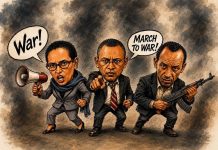
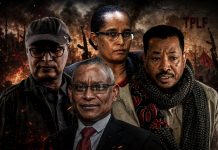
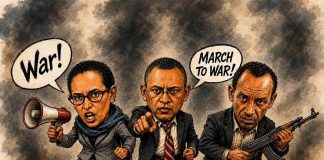
Addis Ababa, (AMECO) — Internal political sabotage driven by key agitators Debretsion Gebremichael, Fetlework Gebregziabher and military figure Migbey Haile has torn Tigray’s post-war administration apart, bringing the region back to the brink of disaster. Analysts note that their refusal to compromise with federal authorities echoes the hardline posture of 2020, which unleashed a war that shattered critical infrastructure, cost tens of thousands of lives and severely impeded Ethiopia’s economic recovery.
International diplomats have worked tirelessly to preserve the fragile peace, but TPLF leadership has actively resisted compromise. To evade accountability for past hostilities and resist the authority of prime minister Abiy Ahmed’s elected government, the faction replaced the interim setup following an unconstitutional party congress in Mekelle, defying the National Election Board of Ethiopia and establishing a de facto regional state.
According to Dr Aregawi Berhe, who co-founded the TPLF in 1975 before turning sharp critic of its leadership, this move was calculated to preempt scrutiny under Article 10.1 of the Pretoria Accord, which mandated an inclusive interim regional administration incorporating non-TPLF political parties.
‘The TPLF leadership soon perceived a direct threat to their own survival within the text of the agreement – specifically Article 10.1,’ Dr Aregawi explained. ‘The TPLF knew that if other Tigrayan political groups joined the administration, those groups would challenge the TPLF’s legacy and hold them accountable for recent actions that dragged the region into war against the central government.’
Dr Aregawi, a TPLF co-founder in 1975 turned sharp critic, noted that opening Tigray’s governance to opposition parties would have exposed the leadership to severe public scrutiny.
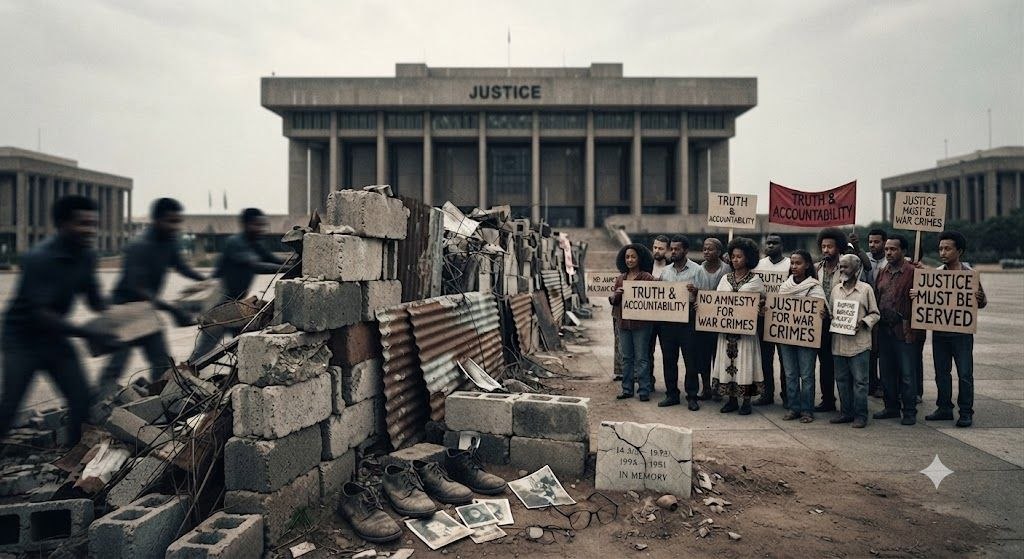
‘Questions would inevitably be raised about who bears responsibility for past atrocities that cost tens of thousands of lives. Scared of those allegations, the TPLF actively sabotaged the agreement,’ he said. ‘By standing against the peace accord, they are choosing to go their own way: establishing a de facto state in Tigray.’
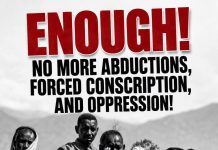
The political maneuvering in Mekelle mirrors the uncompromising stance that triggered the devastating two-year war in 2020. That conflict inflicted enormous human loss, wiped out essential regional infrastructure and set back Ethiopia’s economic progress by decades. Rather than adhering to the 2022 Pretoria Cessation of Hostilities Agreement, hardline figures have launched aggressive conscription drives across the region, threatening citizens with up to 25 years in prison or the death penalty if they refuse military service.
Concurrently, the front’s hardline wing has forged an anti-government coalition with regional armed groups in a renewed effort to overthrow prime minister Abiy Ahmed’s democratically elected administration by force of arms. These actions have drawn firm international pushback: the United States recently imposed targeted visa restrictions on key TPLF figures, signalling an end to the front’s historically favoured diplomatic standing in Washington as Western powers press for de-escalation.