By Elbetel Tilahun
Ababa (AMECO)- For centuries, people have travelled to Debre Berhan for its history, faith and highland landscapes. Today, Ethiopia’s historic “City of Light” is attracting renewed attention—not because it has suddenly become a destination, but because a place that has long welcomed visitors is now building the infrastructure, industries and services to make its next chapter even brighter.
According to the city’s historical tradition, Debre Berhan was originally known as Debre Ibba. During the reign of Emperor Zara Yaqob, a remarkable light was witnessed in the church of now called ‘Debre Berhan Selassie’, an event that became central to the city’s identity and led to its name being changed to Debre Berhan. Zara Yaqob subsequently established the settlement as an imperial centre, leaving the city with a history that reaches deep into Ethiopia’s medieval past.
That history remains one of Debre Berhan’s greatest attractions. Religious sites and monastic communities around the city including Debre Berhan Selassie, Kukelesh Mariam, Sewerwa Mariam and Semenish Kidanemihret draw pilgrims and visitors from different religious backgrounds. Their appeal extends beyond architecture: many sites are associated with longstanding traditions of healing, miracles and spiritual significance.
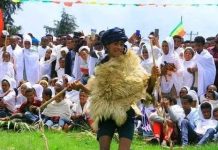
The city’s imperial story continues through historic palace sites associated with Zara Yaqob, Menelik II and Haile Selassie, as well as places connected to Ethiopia’s historic manuscripts and traditions. The memory of Menelik II and figures such as Fitawrari Gebeyehu, a celebrated military commander of the imperial era, is also kept alive through the city’s cultural celebrations. Annual festivities, including horse-riding competitions around Angolela, bring history into the present.
“Debre Berhan is like a library,” says Aklil Getachew, Debre Berhan City Culture, Tourism and Sport Department Heritage Conservation and Tourism Development Team Leader, describing a city where history, culture, tradition and nature can be encountered in one place.
That library, however, is not standing still.
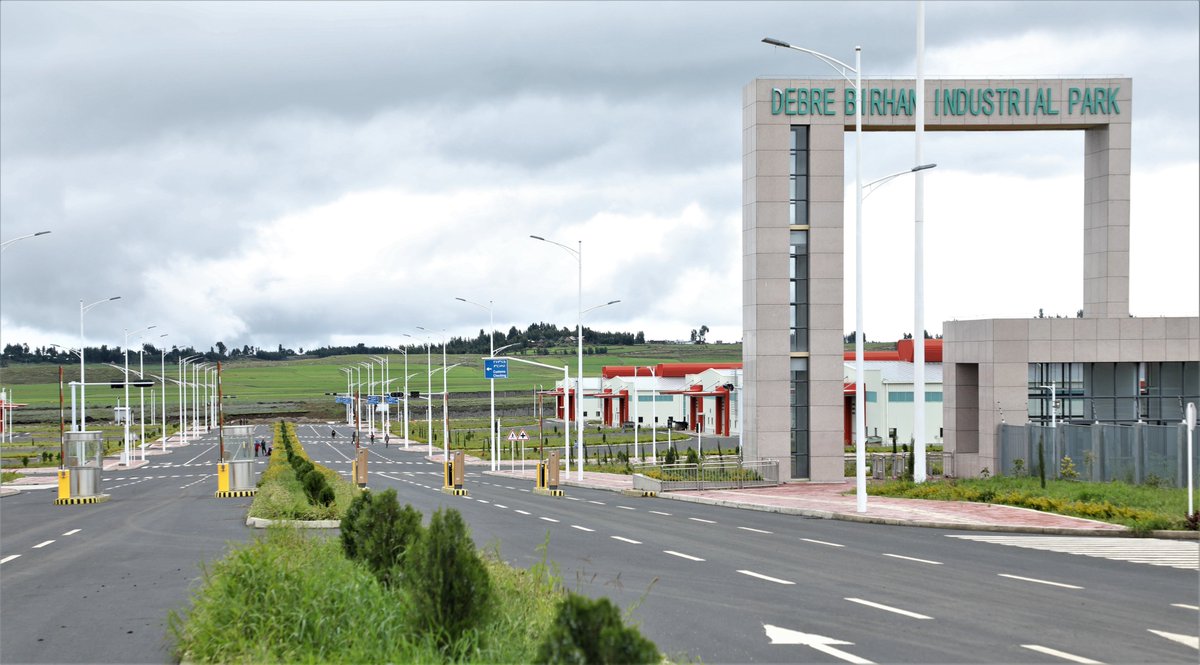
At nearly 1,850 metres above sea level, Debre Berhan has a distinctive highland environment and a population of more than 400,000. Once famous for its harsh cold, the city is now experiencing a more moderate climate while growing as a centre for industry and services. Its location roughly 100 kilometres from Addis Ababa adds another advantage for both visitors and investors. The economic transformation is substantial. Hundreds of investors have sought land in the city, with more than 100 already receiving land and beginning projects. Manufacturing has established a strong presence, while the city sees particular room for growth in tourism-related services including hotels, lodges, restaurants, cafés, travel businesses and visitor services.
For investors, the opportunity is increasingly practical. The city is reduces bureaucracy, facilitate investment and provide support to businesses. For tourists, meanwhile, the expanding hotel sector and improving connectivity are making longer stays increasingly convenient. And the ambitions go further. Debre Berhan is planning improved highways, an airport, upgraded tourism infrastructure, a major museum to bring together historical treasures and manuscripts now scattered among private collections, and a cultural centre where visitors could experience traditional food, clothing, music and dance. The city is also developing its potential as a MICE destination for meetings, incentives, conferences and exhibitions.
This is what makes Debre Berhan compelling today. Its tourism story is not beginning; it is evolving. Visitors can come to explore a city shaped by emperors, faith and centuries of tradition and discover, at the same time, a highland city preparing itself for investment, business and a new generation of travellers. For those looking for somewhere in Ethiopia where the past remains alive while the future is being built, Debre Berhan offers an invitation worth considering: come for the history, stay for the experience, and look closely at the opportunity.