
A week of intensive multilateral engagement underscores how regional conflicts, technological competition, and environmental pressures are redefining international relations.
Addis Ababa,(AMECO) — A surge of diplomatic initiatives, economic restructuring, and cross-border security challenges marked the week ending July 26, 2026, illustrating a global order increasingly shaped by overlapping geopolitical and environmental forces.
From mediation efforts in the Middle East and Eastern Europe to Africa’s expanding trade integration under the African Continental Free Trade Area (AfCFTA), international developments highlighted a growing recognition that national security, economic resilience, and climate adaptation can no longer be managed in isolation.
Key diplomatic achievements & peace initiatives
Multilateral diplomacy remained active across key conflict zones, with regional and global actors working to mitigate humanitarian crises and prevent wider regional escalation:
-
Middle East Mediation: Qatar, Egypt, and the United States maintained structured dialogue aiming for a durable ceasefire in Gaza, while Jordan expanded medical and humanitarian relief corridors to assist affected civilian populations.
-
Maritime Security in the Red Sea: Diplomatic consultations intensified to protect commercial shipping routes through the Bab el-Mandeb Strait, addressing threats to vital global trade and energy corridors.
-
Eastern Europe Dialogue: Amid ongoing drone and missile engagements in the Russia-Ukraine conflict, calls for diplomatic negotiations gained momentum. Kazakhstan led regional appeals emphasizing that long-term regional stability requires a negotiated political settlement.
-
Syrian Recovery Talks: International stakeholders continued discussions focused on political transition frameworks, post-conflict reconstruction, and long-term humanitarian stabilisation.
“Developments across major conflict zones demonstrate that localised instability rapidly generates global spillovers in energy security, trade corridors, and displacement systems.”
Regional economic transformation & strategic partnerships
Governments and regional blocs accelerated efforts to insulate economies against external shocks through supply-chain diversification, nearshoring, and local value creation.
Africa: Value-addition and trade integration
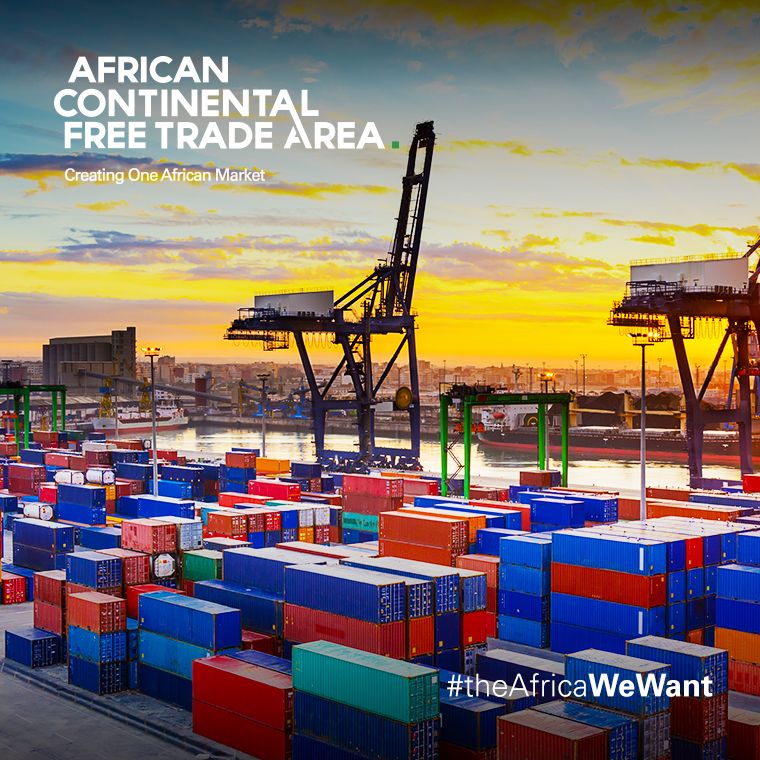
Across the continent, implementation of the AfCFTA drove new investments in cross-border infrastructure, including transport corridors, modernised ports, and digital customs platforms. Crucially, African nations shifted policy focus towards processing raw materials locally — capturing higher value from critical minerals, agricultural goods, and energy resources before export.
Latin America: Resource governance and fiscal reforms
-
Brazil: Balanced agricultural and energy growth with expanded commitments to Amazonian environmental conservation.
-
Argentina: Implemented structural economic reforms targeted at fiscal stabilisation and investor confidence.
-
Chile & Peru: Strengthened their role in the global energy transition through expanded production of copper and lithium for electric vehicles and renewable storage.
-
Mexico: Expanded industrial capacity as nearshoring trends drew manufacturing closer to North American consumer markets.
Asia: Growth engines and industrial competitiveness
Asia maintained its role as a primary driver of global growth. China advanced strategic investments in artificial intelligence, green technology, and digital infrastructure; India expanded manufacturing and digital public infrastructure; and Japan and South Korea deepened bilateral tech partnerships in semiconductor supply chains.
Technology, climate, and global health governance
Strategic competition over technology and climate resilience emerged as critical pillars of statecraft and national security:
-
Artificial Intelligence & Cyber Defence: The US, China, the EU, Japan, and South Korea expanded industrial policies and export controls around advanced semiconductors and quantum computing. In tandem, governments bolstered AI-driven cyber defence capabilities to protect critical national infrastructure against ransomware and digital espionage.
-
Climate Resilience as Core Security: Extreme heat, wildfires in Europe and North America, and irregular rainfall across Africa and Asia reinforced that climate shocks directly impact food security, migration patterns, and economic output. Climate adaptation is now increasingly integrated directly into national defence and development planning.
-
Humanitarian & Health Preparedness: With displacement reaching historic levels due to combined climate and security pressures, international bodies called for enhanced funding for host communities. Concurrently, global health agencies expanded disease surveillance networks and local pharmaceutical manufacturing capacity to address emerging vector-borne threats and antimicrobial resistance.