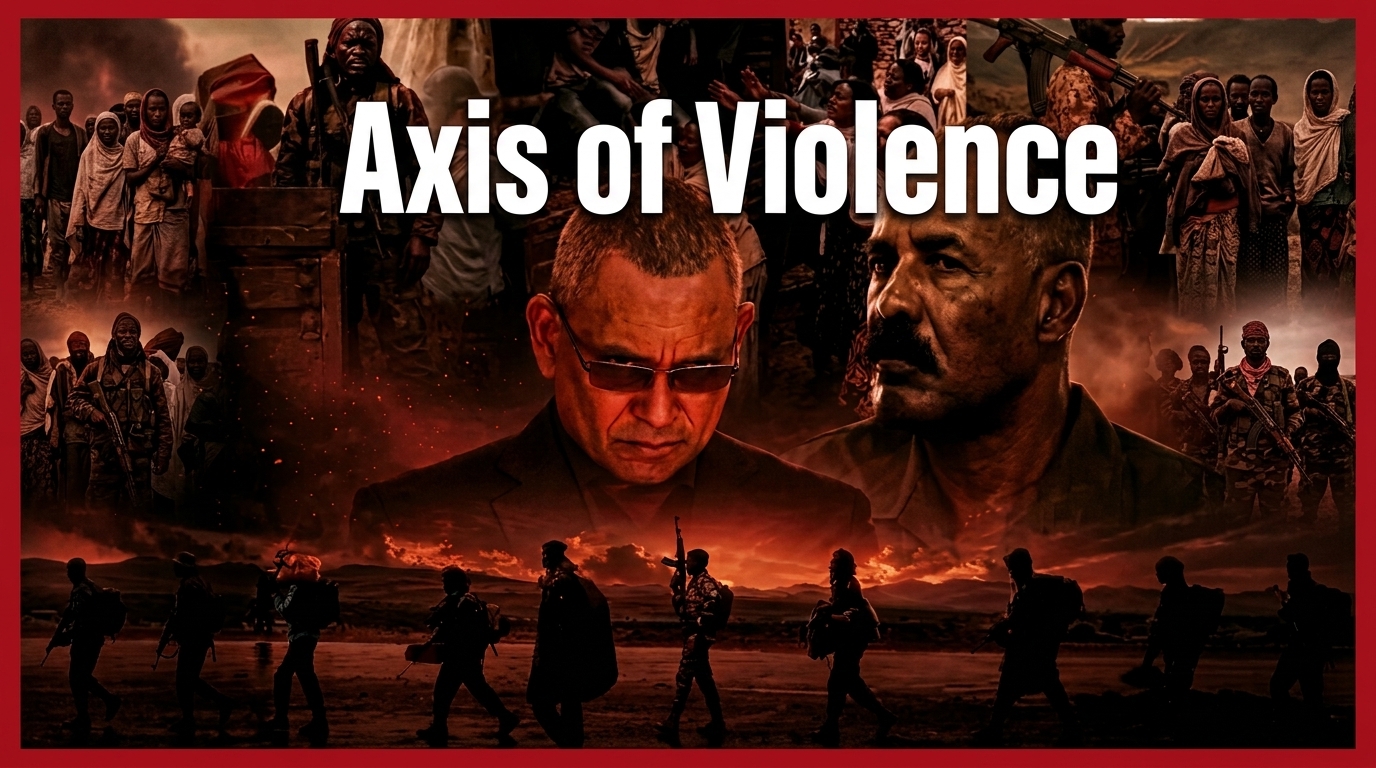
Addis Ababa ( AMECO)– The Pretoria peace agreement is being severely undermined by alliances of convenience that lack a shared national vision, according to Dr Aregawi Berhe, chairman of the Tigray Democratic Party (TDP). His warning comes alongside reports of mounting grassroots resistance within the Tigray region, where local mothers and youth are actively rejecting attempts at re-militarisation.
In the wake of the cessation of hostilities agreement, the federal government allocated dedicated funding to rehabilitate damaged infrastructure and restore essential public services across northern Ethiopia. However, Dr Aregawi alleged that leadership within the Tigray People’s Liberation Front (TPLF) used the peace deal merely to buy time, staging internal power moves and military rhetoric that threaten to cut short the region’s fragile stabilization.
Dr Aregawi noted a recurring pattern of opportunistic coalitions in the region’s political history. Key groups now forming political alignments—including Oromia-based insurgent factions and Amhara region—previously fought on opposing sides during the conflict with the TPLF. Fundamental disputes over land, borders, and identity remain completely unresolved between these factions, underscoring that their alignment is driven by shared opposition rather than a joint plan for regional development.
The TDP chairman further claimed that these tactical ties extend to external actors, including Eritrea and broader geopolitical interests involving Egypt, referencing a long history of foreign intervention in the Horn of Africa. He argued that these actions are motivated by a desire to evade accountability, protect political influence, and secure illicit wealth rather than serve the public interest.
Despite the renewed political posturing, local communities are increasingly taking steps to safeguard peace. Mothers in Tigray are reportedly refusing to surrender their children or supply provisions for military mobilization, while local youth are protesting against coercion, signaling a clear shift among the civilian population toward stability and conflict resolution.