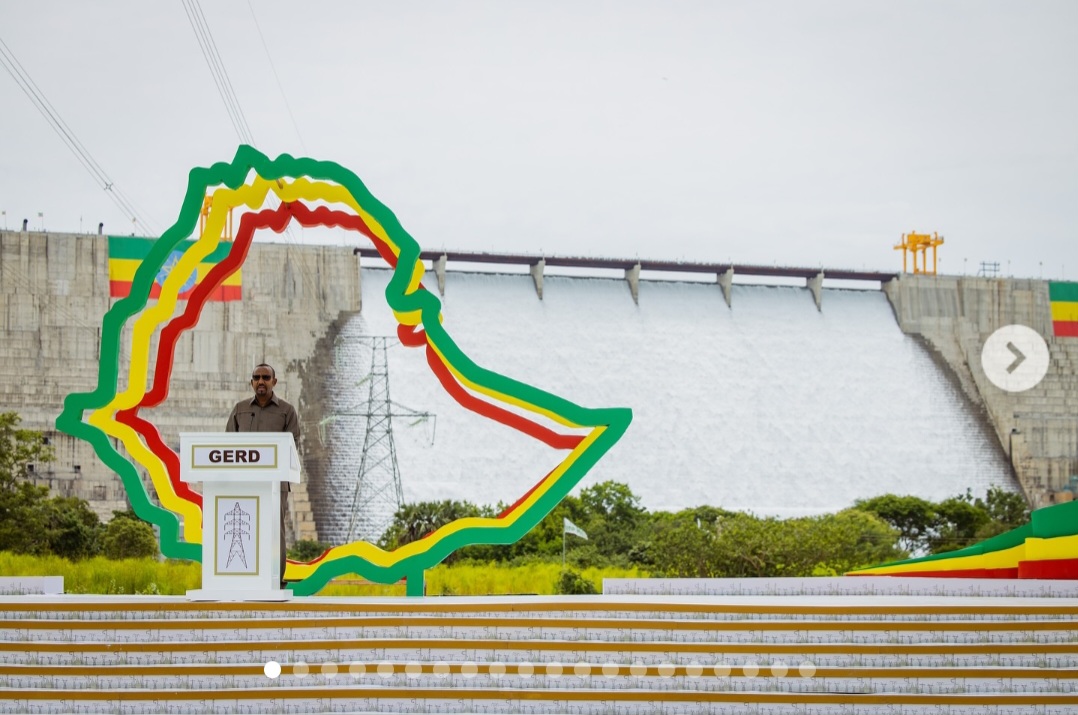
Addis Ababa — In a recent in-depth report by the U.S.-based network CNN, the Grand Ethiopian Renaissance Dam (GERD) has been highlighted not just as an engineering marvel, but as a regional catalyst for sustainable energy access and economic growth.
Reporting from Guba after visiting the site, CNN journalist Victoria Rubadiri showcased how the 145-meter-tall and 1.8-kilometer-long structure addresses critical energy poverty while fostering cross-border cooperation in East Africa.
Key Takeaways from the CNN Report
- Self-Reliance and Completion: Officially inaugurated in September 2025 after 14 years of construction, CNN underscored that the mega-project was built entirely through domestic capacity, government financing, bonds, and the direct contributions of Ethiopians without external backing.
- Transforming Domestic Energy Access: According to GERD Project Manager Engineer Kifle Horo, 13 operational turbines are currently generating power, successfully bringing electricity to 6 million Ethiopians who previously lived without reliable access.
- Regional Power Integration: Moving beyond national borders, the dam acts as a vital interconnection hub. It currently supplies electricity to Sudan, Djibouti, Kenya, and Tanzania, with infrastructure preparations underway to expand exports to Somalia and South Sudan.
- Economic and Tourism Diversification: Alongside its 5,150-megawatt power generation capacity, the reservoir’s creation has formed roughly 72 islands and lakes, opening up new horizons for local infrastructure development and tourism.
Addressing Regional Cooperation and Water Security
Addressing geopolitical tensions, CNN featured insights from Engineer Kifle Horo regarding downstream water usage. Dismissing concerns that the dam reduces Egypt’s water share as baseless, Horo emphasized a collaborative solution-oriented philosophy:
“One country’s good should not mean misfortune for another.”
He reiterated that while Ethiopia exercises its sovereign right to utilize its natural resources for development, the project is intentionally managed to ensure equitable benefits without causing harm to neighboring nations.