By Elbetel Tilahun
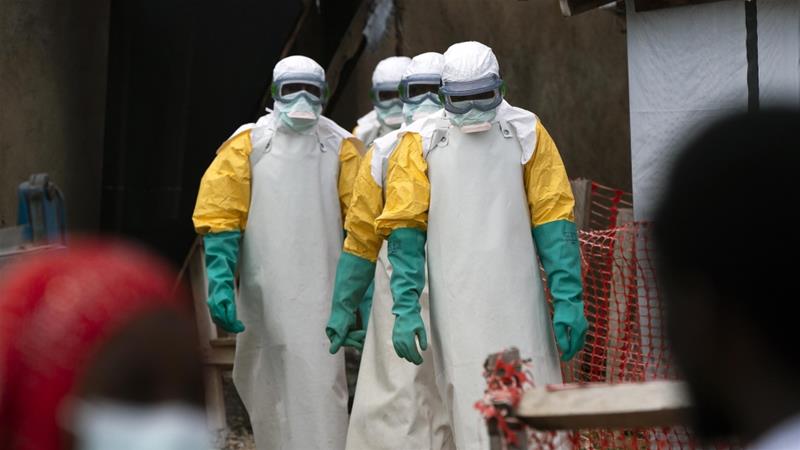
Addis Ababa (AMECO)- The Democratic Republic of Congo is facing its largest Ebola outbreak on record, with more than 5,200 cases reported after 100 days of the epidemic, according to the World Health Organization (WHO). The outbreak, caused by the Bundibugyo species of Ebola virus, has killed more than 2,500 people, while the United Nations has warned that transmission is accelerating across a region larger than France.
Reuters reports that the response is being complicated by attacks on health workers, misinformation, conflict and shortages of resources. At least 160 healthcare workers have been infected and 43 have died, while more than 260 attacks against health workers have been recorded over the past six months.
For Ethiopia, the outbreak is a regional health-security concern rather than evidence of an Ebola outbreak inside the country. WHO says the current epidemic has already demonstrated cross-border transmission, including into Uganda, while population movement and trade flows increase the possibility of further regional spread.
Ethiopia, however, has been strengthening its preparedness. In June, the Ethiopian Public Health Institute (EPHI) conducted a national Ebola preparedness simulation involving the national Public Health Emergency Operations Centre and emergency coordination centres in 12 regions.
EPHI’s emergency-management system is designed around early detection, surveillance, rapid response, emergency stockpiles and coordination under the International Health Regulations. Ethiopia’s recent experience responding to viral haemorrhagic-fever threats also provides an existing preparedness structure.
WHO’s continental preparedness plan emphasizes surveillance, community protection, safe clinical care, emergency coordination and access to medical countermeasures. For Ethiopia, maintaining surveillance at points of entry, strengthening laboratory and isolation capacity, rapidly investigating suspected cases and coordinating information with neighbouring and regional countries will be critical to preventing an imported case from becoming local transmission.
As the Congo outbreak continues to expand, Ethiopia’s strongest defence remains early detection, coordinated border health measures and rapid response not waiting for the virus to arrive.