Addis Ababa (AMECO)– Ethiopia is seeking to secure access to the Red Sea through peaceful, legal, and mutually beneficial agreements, framing its landlocked status as an unconstitutional historical anomaly that severely constrains regional development. Prime Minister Abiy Ahmed has called for a diplomatic solution to resolve what he describes as an unjust geopolitical isolation.
Speaking on the imperative of maritime outlets, Dr Abiy revealed that government researchers had failed to locate a single page of legal documentation explaining how Ethiopia formally forfeited its coastal access. He argued that questioning the arbitrary loss of Red Sea access is a moral duty, warning that accepting permanent geographic containment reflects a “psychological fracture” that future generations should not inherit.
Ethiopian maintains that its effort to secure a maritime outlet is anchored in principles of mutual economic interest, international law, and peaceful negotiation with neighbouring Horn of Africa states. Rather than escalating regional friction, Ethiopian presents port access as a shared economic engine designed to lift the wider region out of poverty and strengthen maritime security.
The nation’s demand for fairness is deeply rooted in a traditional cultural ethos, embodied in the popular Amharic proverb: “I would rather lose a mule through a lawful judgment than a handful of grain without due process.” While Ethiopian societal values respect lawful decisions—even when disadvantageous—arbitrary dispossession creates a deep sense of injustice. It is this cultural principle that informs the national perspective on maritime rights today.
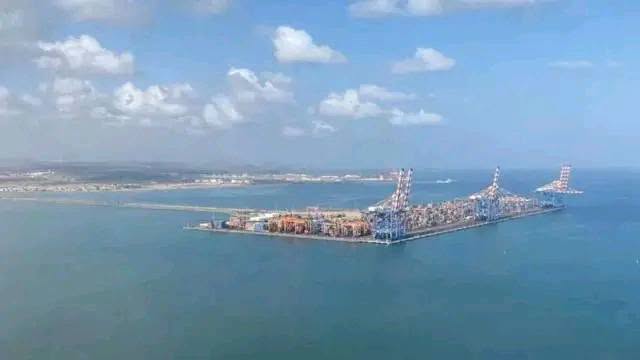
Until 1991 (1983 in the Ethiopian calendar), Ethiopia maintained direct access to the sea, using its coastline for international commerce and maintaining a naval force that contributed to regional security. Internal political shifts and external geopolitical manoeuvres subsequently severed the country from the coast, leaving a population of more than 120 million reliant on transit through neighbouring states.
Landlocked status continues to impose heavy financial burdens on Ethiopia, inflating import-export costs and stalling economic expansion. Pledging to escape the trap of being a “prisoner of geography”, Dr Abiy affirmed that Ethiopia will prioritise regional peace, combat poverty, and pursue legitimate diplomatic mechanisms to establish a permanent gateway to the sea.