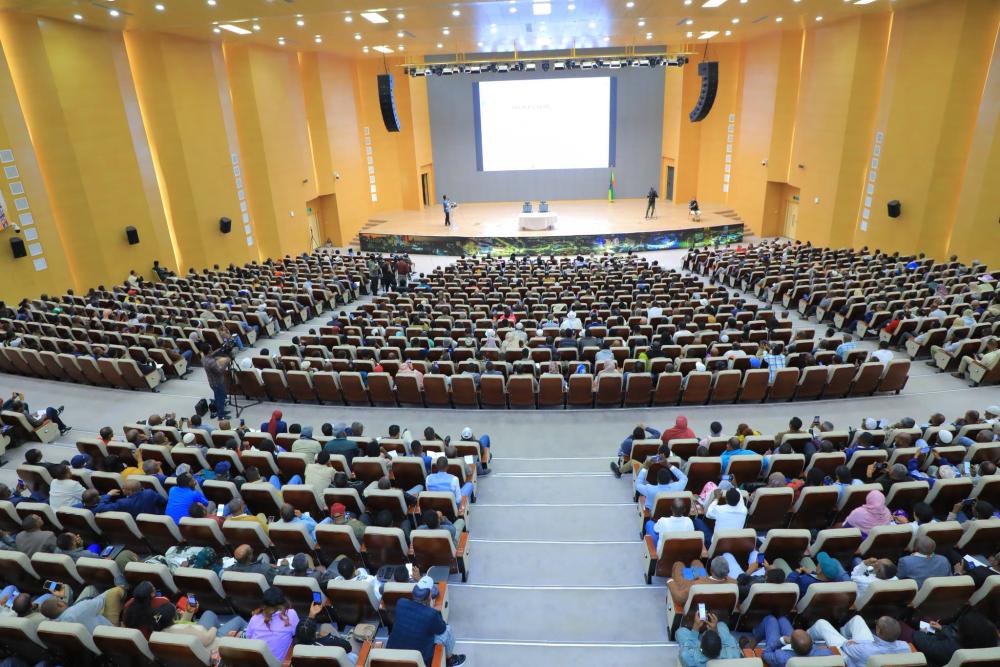
Addis Ababa (AMECO) — Ethiopia’s National Dialogue Commission has entered its final phase, with three out of eight delegate groups reaching consensus and signing formal agreements on key national issues, officials have announced.
The commission revealed that three working groups—comprising small strategic committees and larger sessions of up to 500 representatives—have compiled and signed official minutes on three major agenda items. Deliberations among the remaining five groups are ongoing as the nationwide convention continues.
The multi-stage initiative, designed to address deep-seated political and social divisions across the country, began at the grassroots level. Delegates confirmed that the agendas currently under discussion were compiled through a bottom-up consultation process, ensuring local community demands and grievances were brought directly to the negotiation table. Delegates attending the central conference reported that discussions have been conducted openly, describing the talks as a rare opportunity for inclusive nation-building where all participants share equal responsibility for decision-making.
“We are deciding on national matters together,” several participants noted, adding that establishing the dialogue today creates the foundation for a stable Ethiopia tomorrow. Delegates expressed optimism that the process would offer a historic resolution to long-standing contentious issues that have historically divided the nation.
Once all eight groups conclude their deliberations, the approved agendas will be consolidated into a national covenant document. Participants voiced their desire for this final agreement to be implemented effectively and rolled back down to the community level to benefit the broader public and guide future governance. Two additional working groups in Ethiopia’s national dialogue process have reached consensus and formally signed agreement minutes on key political and governance recommendations, the Ethiopian National Dialogue Commission announced on Tuesday.
The two groups, each made up of 500 delegates, finalized consolidated proposals following extensive consultations across various committee levels and stages. The first group reached agreement on agenda items covering state structure, the political system, electoral representation, and the election system. The second group focused on proposals addressing corruption and good governance.
These topics represent two of the eight major national agendas under deliberation at the central convention. Their agreement brings the total number of working groups to have formally signed consensus minutes to five out of eight.
According to the commission, discussions among the remaining groups are ongoing as delegates work to conclude recommendations across all designated national issues.