National Dialogue Upfolds Inclusiveness and Broad Participation Throughout Its Process
Addis Ababa (AMECO) — July 24, 2026
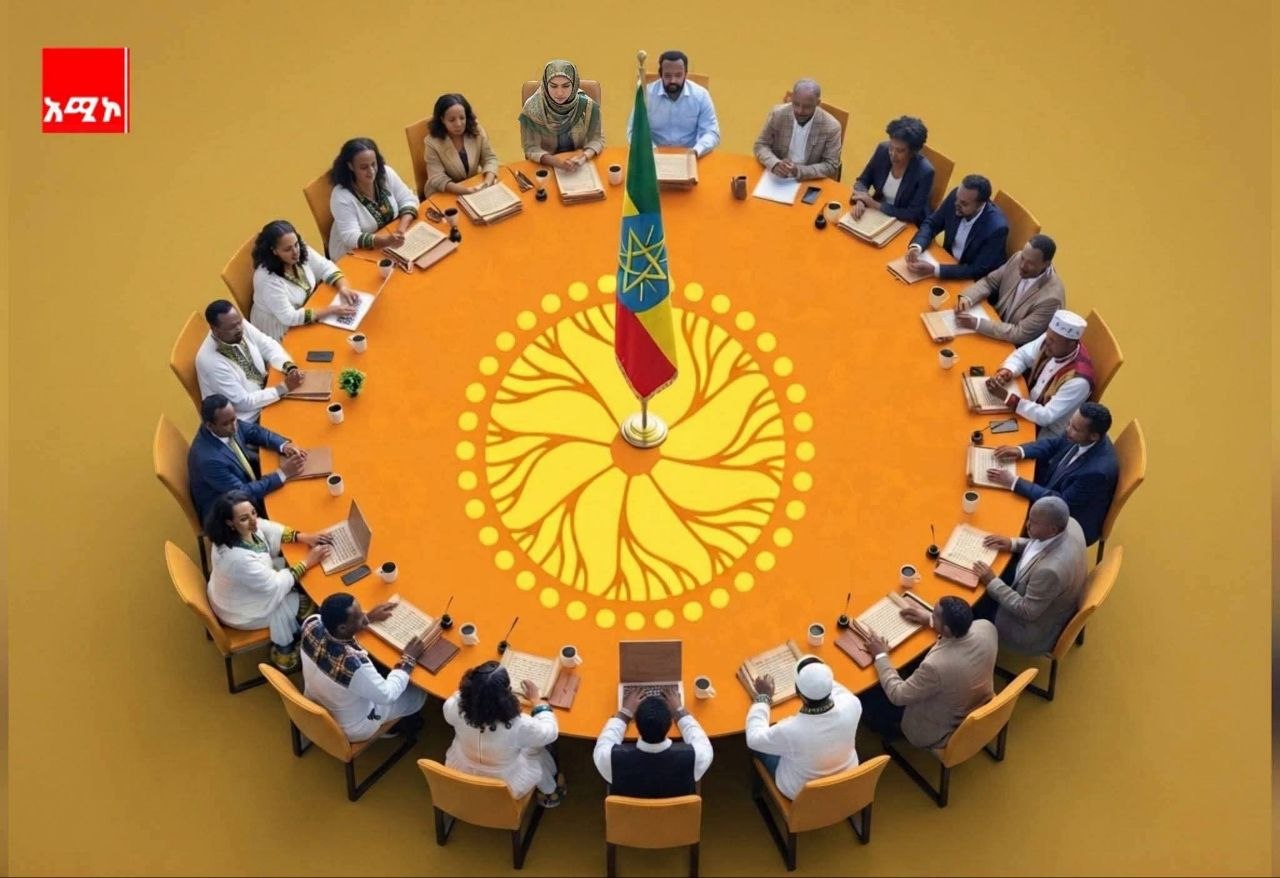
The Ethiopian National Dialogue Conference has been underway since July 15, 2026, bringing together representatives from all segments of society to deliberate on key agendas that could shape the nation’s future.
In an interview with AMECO, Deacon Daniel Getnet, a lecturer at Samara University, emphasized that the Ethiopian National Dialogue Commission has ensured a genuinely inclusive process by selecting representatives from the grassroots level upward.
According to Deacon Daniel, the participation of community elders, religious leaders, women, persons with disabilities, civil society organizations, government employees, political parties, diaspora representatives, and various social groups demonstrates the Commission’s commitment to transparency and broad engagement.
He noted that consultations held across different levels have provided a crucial opportunity to identify, prioritize, and address long-standing national grievances through constructive dialogue. Agenda items submitted during regional conferences are now serving as the foundation for the ongoing national discussions.
Deacon Daniel highlighted that the National Dialogue will play a vital role in strengthening national unity and resolving persistent challenges.
Key Benefits of the National Dialogue
-
Promoting National Consensus: Helps reconcile long-standing differences and disagreements.
-
Embracing Diversity: Encourages citizens to view diversity as a source of strength rather than division.
-
Fostering Social Harmony: Builds mutual understanding, peace, and shared national narratives.
-
Strengthening Democratic Culture: Develops a culture of peaceful dialogue, conflict resolution, and collaborative governance.
Deacon Daniel added that Ethiopia is actively shifting away from a “winner-takes-all” political dynamic toward a model centered on cooperation and consensus-building on issues of national importance.
Reflecting on Ethiopia’s history of overcoming complex challenges, he stressed that attempts to seize power through armed struggle—rather than peaceful democratic processes—hinder the expansion of the country’s political space. While acknowledging that national challenges cannot be resolved overnight, Deacon Daniel expressed confidence that sustained dialogue offers a realistic path forward, calling on all stakeholders to support the process to fulfill the nation’s expectations.