Green Legacy Initiative protects downstream Nile nations from floods and siltation, Ethiopian officials say
By Yohannes Lijalem
Addis Ababa,(AMECO)
Ethiopia’s nationwide tree-planting campaign is yielding significant environmental and economic gains, helping to restore degraded ecosystems, boost agricultural output, and safeguard downstream Nile basin nations from flooding and severe river siltation, senior government officials have said.
The Green Legacy Initiative was launched to combat rapid deforestation and soil erosion. Officials say the environmental recovery effort is now bolstering food security, replenishing groundwater, and protecting critical hydroelectric infrastructure.
Environmental recovery after decades of loss
Speaking on the impact of historic land degradation, Dr Adefris Worku, technical committee coordinator for the Green Legacy Initiative, cited environmental assessments—including a 12-year study referencing World Health Organization data—showing Ethiopia had previously lost 1.2 million hectares of forest cover.
During that period, unchecked soil erosion washed an estimated 1.9 billion tonnes of fertile topsoil into rivers and lakes as sediment each year, while 54 million hectares of land suffered severe degradation.
The widespread damage severely hampered agricultural productivity. Before the greening campaign began, national forest cover had plummeted to 17 per cent, leaving hydroelectric dams vulnerable to heavy siltation that undermined power generation capacity.
Substantial reduction in the Abay (Blue Nile) sediment flow
The initiative has brought measurable environmental shifts, according to Dr Habtamu Itefa, Ethiopia’s minister of water and energy. Dr Habtamu noted that targeted reforestation has replenished natural springs, raised local groundwater tables, and stabilized fragile topsoil.
By preventing reservoir siltation and helping restore degraded lake ecosystems, the campaign is reshaping the landscape of a nation long associated in global media with severe drought, while expanding access to renewable energy and improving local nutrition.
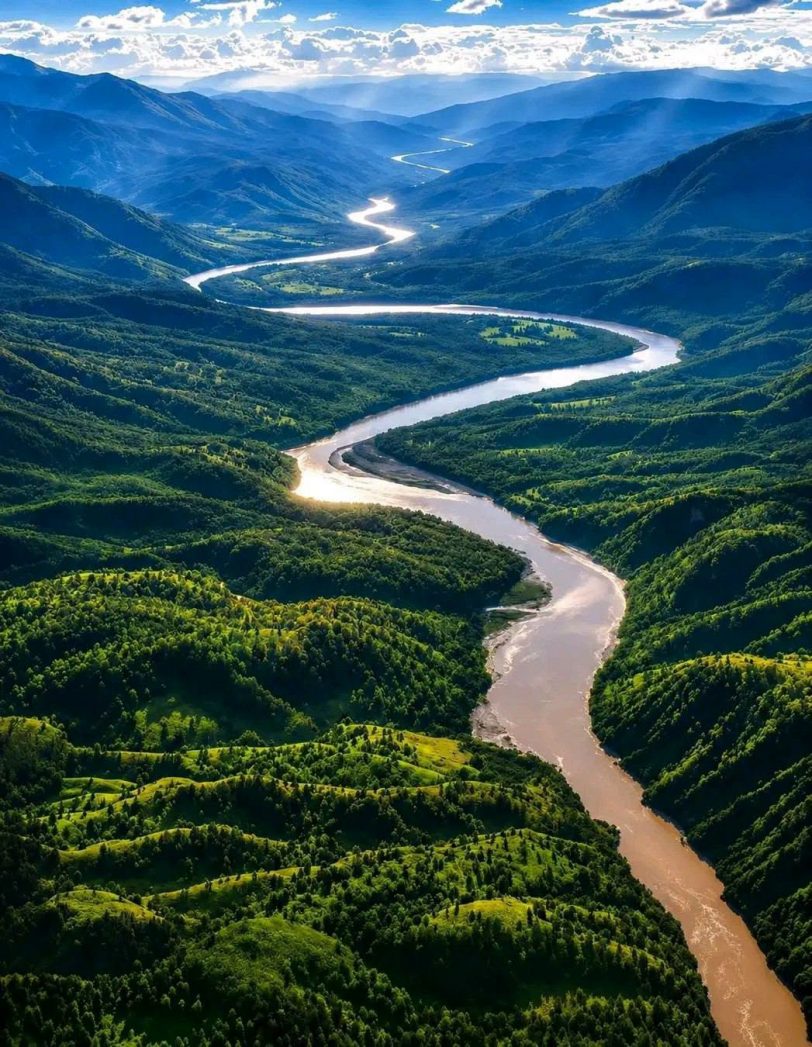
Providing further metrics, Professor Eyasu Elias, state minister of agriculture, highlighted a dramatic reduction in topsoil loss within the Nile Basin. Prior to the construction of the Grand Ethiopian Renaissance Dam (GERD), an estimated 1.9 billion tonnes of sediment washed downstream annually. Recent environmental monitoring indicates this figure has dropped to 200 million tonnes—a 90 per cent reduction in topsoil run-off.
Professor Eyasu attributed the reduction to focused conservation efforts across the river basin:
-
11 billion saplings planted across more than 200 districts within the Abay (Nile) Basin.
-
23.6 per cent current national forest coverage, up from historic lows.
Regional impact and water security
Prime Minister Abiy Ahmed emphasized that despite completing key phases of the GERD, Ethiopia remains committed to ensuring an uninterrupted, clean flow of water to downstream neighbours.
Addressing the broader strategic vision, Dr Abiy noted that national sovereignty is best demonstrated through tangible development: planting trees, achieving food self-sufficiency, securing borders, and halting the loss of fertile soil. He added that environmental restoration is also positioning Ethiopia as a growing hub for ecotourism.
Ethiopia holds 123 billion cubic metres of surface water resources, with the Nile Basin accounting for 54 billion cubic metres. Officials maintain that intensive watershed management around the basin delivers vital ecological benefits to riparian partners downstream:
-
Siltation prevention: Drastically cuts sediment build-up in downstream reservoirs, delivering cleaner water.
-
Flow regulation: Stabilizes seasonal river flows to mitigate flash flooding risks.
-
Climate resilience: Strengthens regional microclimates and mitigates the broader effects of climate change across the Horn of Africa.