Addis Ababa (AMECO) – Ethiopia is converting its historically polluted urban riverbanks and neglected lake shores into world-class eco-tourism destinations, marking a major strategic shift in how the East African nation manages its natural water resources.
Under a nationwide restoration campaign, areas long used as informal waste dumps and stagnating backwaters are being redeveloped into public green spaces, eco-resorts, and heritage parks. The initiatives aim to tackle severe environmental degradation while creating sustainable economic opportunities through domestic and international tourism.
The transformation is anchored in a series of government-led development frameworks—Dine for Sheger, Dine for the Nation, and Dine for Generation—initiated by Prime Minister Abiy Ahmed. The strategy responds to decades of underutilised natural wealth, addressing what Abiy described as an imperative to change Ethiopia’s historical paradox of “sitting on water while suffering from thirst and living surrounded by natural gifts while dwelling in poverty.”
In urban centres, river corridors and lakefronts previously marred by eye-searing pollution have been cleared and redesigned into accessible public parks and tree-lined walkways. Places like Friendship Park in Addis Ababa now provide urban residents with clean air and recreational infrastructure, raising the living standards and environmental profile of major cities.
The intervention extends far beyond the capital into remote and ecologically sensitive regions:
-
Lake Wonchi: Transformed from an isolated crater lake with limited access into an eco-tourism park equipped with sustainable visitor infrastructure.
-
Chebera Churchura National Park: Formerly hindered by a lack of basic infrastructure, the park now features the Elephant Paw Lodge, a luxury eco-lodge designed to support wildlife conservation and high-value tourism.
-
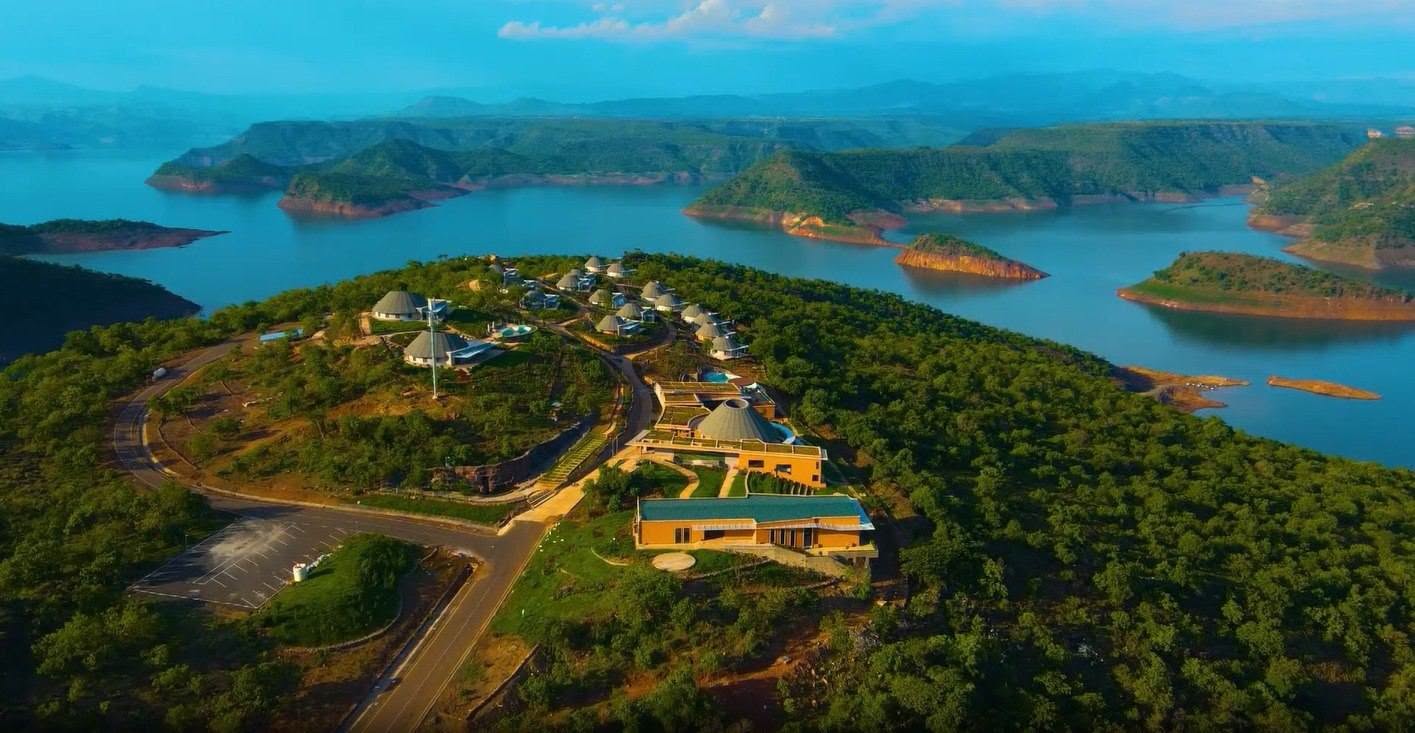
Halala Kella: Located along the shores of the Gibe III artificial reservoir, this historical site has been restored into a resort that integrates local heritage with natural landscape preservation.
-
Lake Tana Basin: Waterfront developments around Bahir Dar and the Gorgora Eco-Resort on Lake Tana’s northern shore are revitalising the region’s aquatic economy.
-
Lake Logo: In the Wollo region, historic Lake Logo has been converted into a modern eco-tourism hub alongside similar lakeside conservation efforts.
By shifting the public perception of water bodies from waste disposal sites to vital economic assets, the initiative demonstrates a practical model for environmental rehabilitation. Beyond immediate tourism revenues, officials emphasize that restoring these ecosystems delivers long-term psychological respite, urban climate resilience, and economic dividends for future generations.