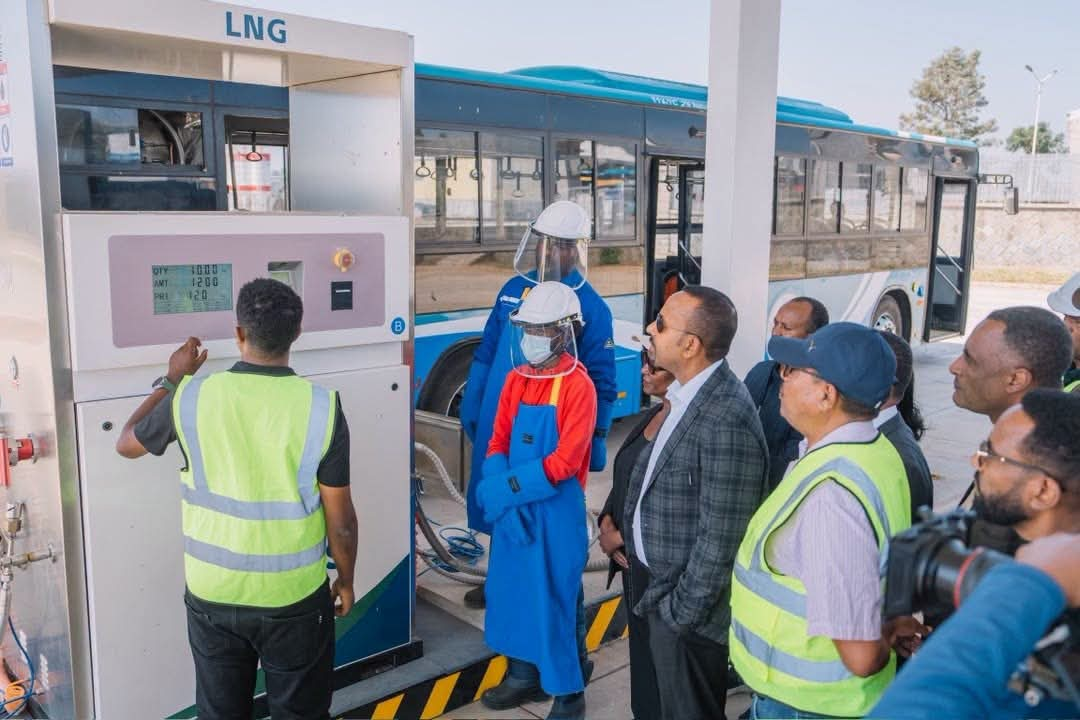
Twenty-six Addis Ababa buses now run on natural gas produced in Gode, and 400 more are due to follow.
Addis Ababa, 06 November 2026. On Tikimt 22, 2019 (Ethiopian calendar), the first 26 buses converted from fuel to natural gas entered service. The move tackles three pressures at once: a heavy fuel import bill, the cost of running public transport, and the quality of the air residents breathe.
💈 The problem
Fuel imports are among the largest drains on Ethiopia’s foreign currency. Reliance on imported fuel leaves the economy exposed, while the vehicles that carry the capital’s residents emit air-polluting gases and particles. The cost of running buses also feeds directly into the fares commuters pay.
💈 The solution
Ethiopia is converting city buses from fuel to natural gas and sourcing that gas from its own ground. Gas produced in Gode is brought to the capital and used in urban transport, showing that the country can turn domestic resources into productive assets.
💈 How it works
Three elements make the model run:
💈 Transporting gas from the production site to the capital
💈 Building gas filling stations
💈 Adapting buses to the new energy source
💈 The results so far
The first 26 converted buses are in service, and 400 new gas-powered buses are set to follow. The project’s design points to three gains:
💈 Less import dependence: running buses on domestic gas reduces reliance on imported fuel and conserves foreign exchange, strengthening the country’s economic resilience.
💈 Steadier fares: lower operating costs create room to stabilize fares and keep service affordable for commuters.
💈 Cleaner air: the shift reduces certain air-polluting gases and particles from vehicles, contributing significantly to a healthier city and to the building of a green city.
💈 Beyond the bus
The project also builds capacity at home. Moving the gas, building filling stations, and converting buses all create opportunities to develop technical expertise, the workforce, and the maintenance industry.
💈 What comes next
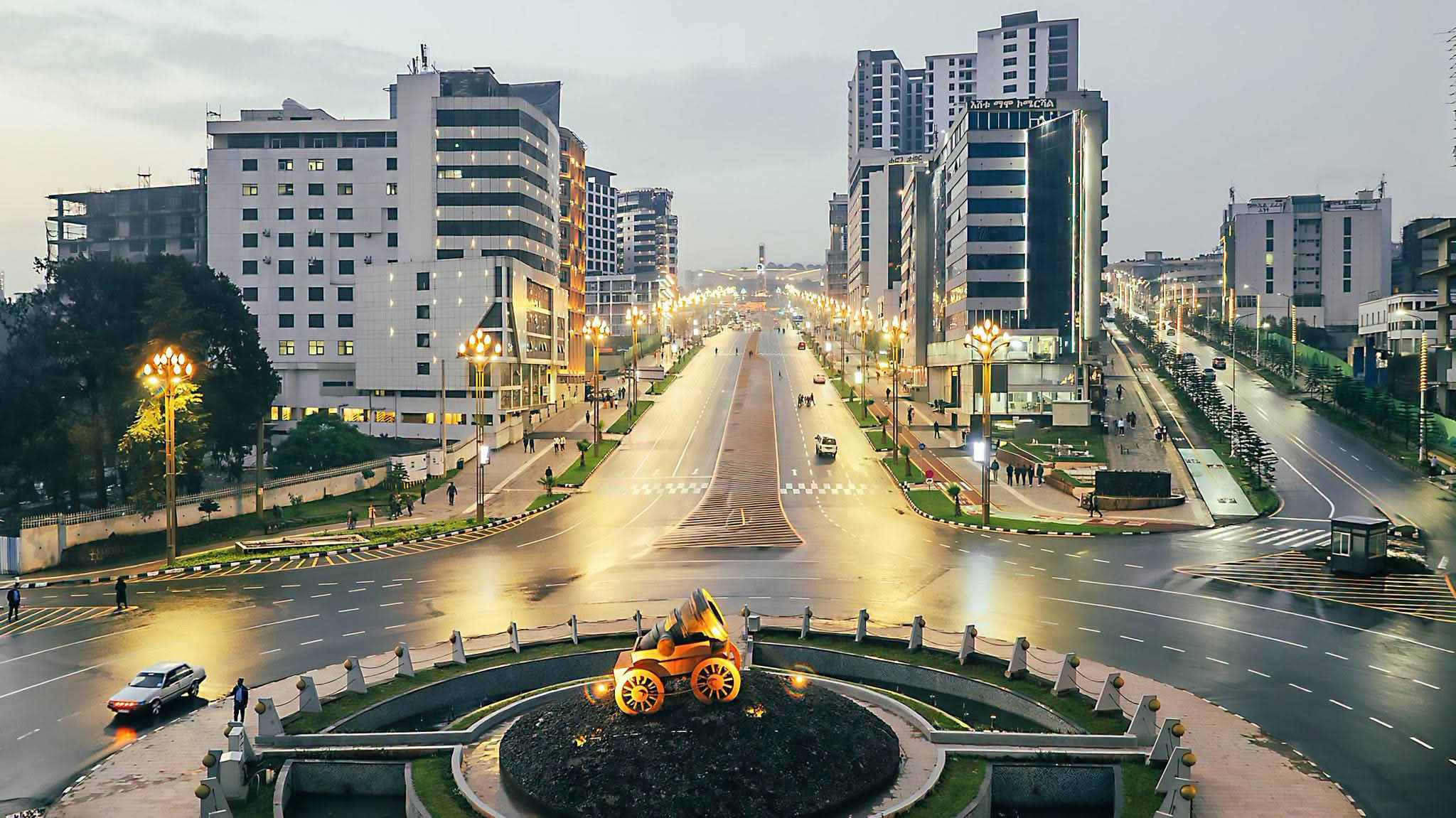
Addis Ababa is the nation’s capitmal and a center of African diplomacy and the economy. Making its transport modern, efficient, and environmentally friendly is the central direction of urban development. As gas buses grow alongside electric buses, light rail, and other modern infrastructure, they will help improve living conditions in the city further.
The initiative also puts the Medemer government’s development vision into practice. By combining the strengths of the energy, transport, and technology sectors, it directs national resources toward a common purpose.
The arrival of the converted buses is part of a larger journey: using the nation’s natural resources for development, reducing dependence on foreign fuel, and strengthening modern urban transport.