By Miwodew Muluye
Addis Ababa ( AMECO)- Ethiopia is cementing its role as East Africa’s economic driver by using hydroelectric exports and cross-border power grids to foster regional integration, according to a leading analyst.
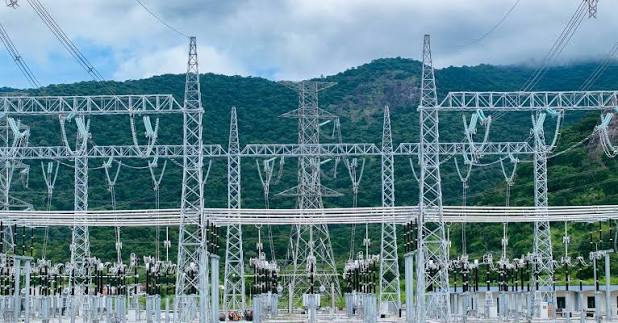
Speaking on the AMECO Africa, regional affairs researcher Prof Ahmed Zekariya said grid expansion into neighbouring nations is reshaping trade and political stability across the Horn of Africa. Ethiopia currently supplies electricity to Sudan, Djibouti and Kenya, with plans to expand export networks further.
A primary driver of this transition is the Grand Ethiopian Renaissance Dam (GERD), which has a total planned capacity of more than 5,000 megawatts.Prof Ahmed Zekariya described the infrastructure as an “extraordinary landmark in African self-reliance”, stating that its domestic funding model demonstrates how African states can finance major projects without reliance on foreign loans.
The cross-border energy strategy is yielding significant economic returns, with annual revenues projected to reach $500m as high-voltage transmission lines scale up. Key infrastructure, such as the High-Voltage Direct Current line to Kenya, delivers electricity at 6.5 cents per kilowatt-hour – below Kenya’s domestic thermal generation cost of 9.4 cents – while boosting Ethiopia’s foreign currency reserves.
Addressing long-standing regional disputes over water rights, Prof Ahmed argued that run-of-river turbine operations do not reduce overall water volume. He claimed the regulated flow guarantees year-round supply and protects downstream nations, such as Sudan and Egypt, from seasonal flooding.
Prof Ahmed added that the initiative lays the foundation for a fully integrated African power pool, positioning the continent to supply clean, renewable energy across its own borders.