
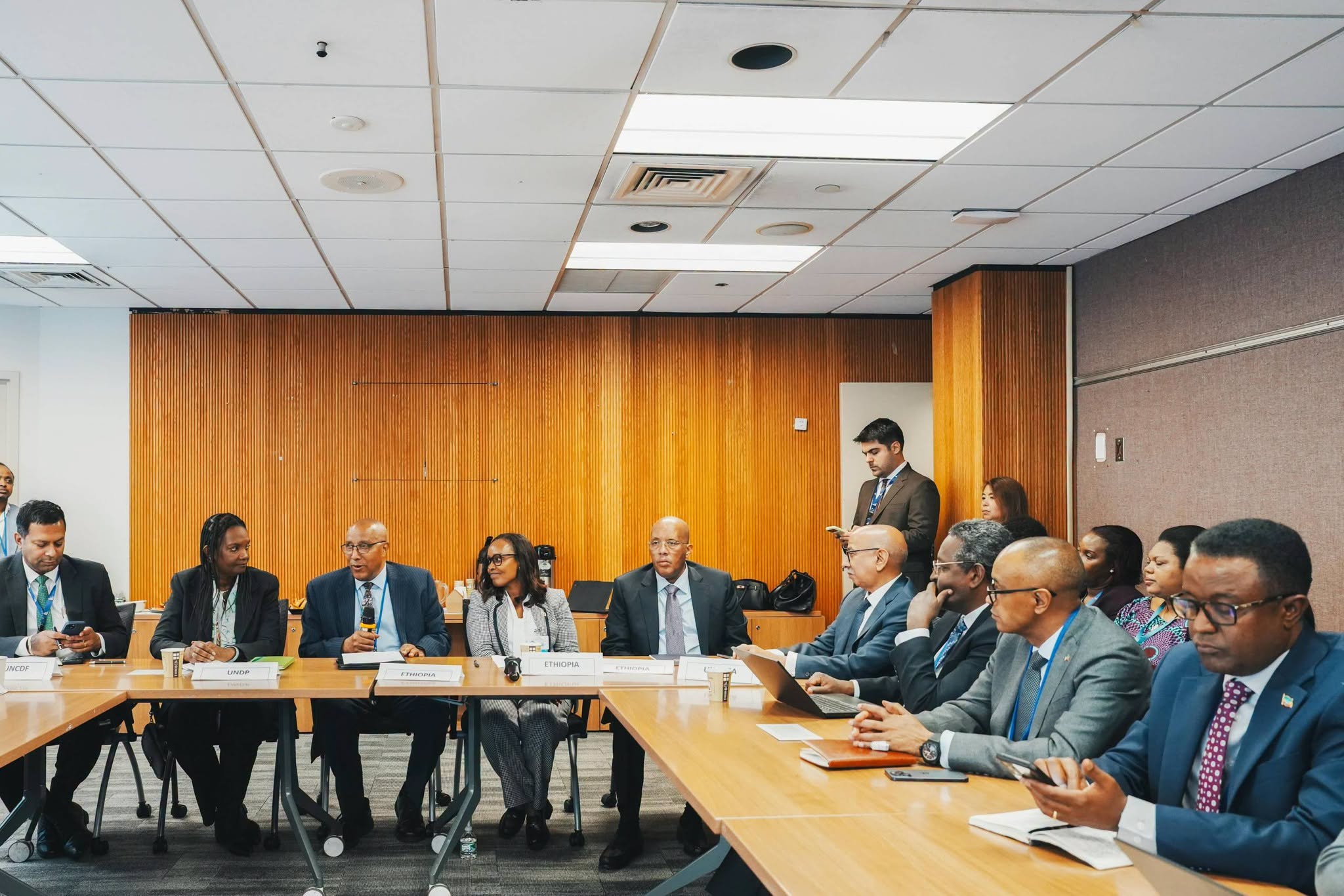
Addis Ababa ( AMECO AFRICA)- Ethiopia has highlighted its rapid expansion of digital identity and payment systems as key drivers for economic growth at a UN General Assembly side event, foreign ministry officials said.
As developing nations struggle with tight capital markets, Addis Ababa is positioning its state-backed digital infrastructure as a potential template for emerging economies seeking inclusive growth.
Hosted jointly by Ethiopia’s UN mission and the United Nations Capital Development Fund (UNCDF) in New York, the meeting detailed how national initiatives—including the Fayda digital ID and Digital Ethiopia 2030 strategy—are transforming access to banking and public services. According to the Ministry of Foreign Affairs of Ethiopia, the primary source for the report, the government is shifting from treating digital finance as a commercial product to building it as foundational national infrastructure.
National policy and infrastructure shift
Speaking at the event, the planning and development minister, Fitsum Assefa Adela, told delegates that national frameworks such as the National Financial Inclusion Strategy and the BRIDGE 2030 digital payments framework are driving the transition.
Getachew Reda, a minister and senior adviser to the prime minister, said digital financial tools are enhancing economic dynamism and expanding opportunities for small enterprises.
The permanent representative of Ethiopia to the UN, Ambassador Tesfaye Yilma, added that the government has established interoperable payment systems to streamline both public and commercial services.
UN backing and financing challenges
Pradeep Kurukulasuriya, executive secretary of the UNCDF, praised the rollout, acknowledging that capital constraints continue to restrict business expansion across developing markets.
Navid Hanif, assistant secretary-general for economic development at the UN Department of Economic and Social Affairs, commended Ethiopia’s progress, stating that digital inclusion remains essential for achieving sustainable development goals.
Delegates concluded by calling for expanded private sector investment, regional integration, and South-South cooperation to scale national digital infrastructure into regional networks.