
Publication Date: July 26, 2026
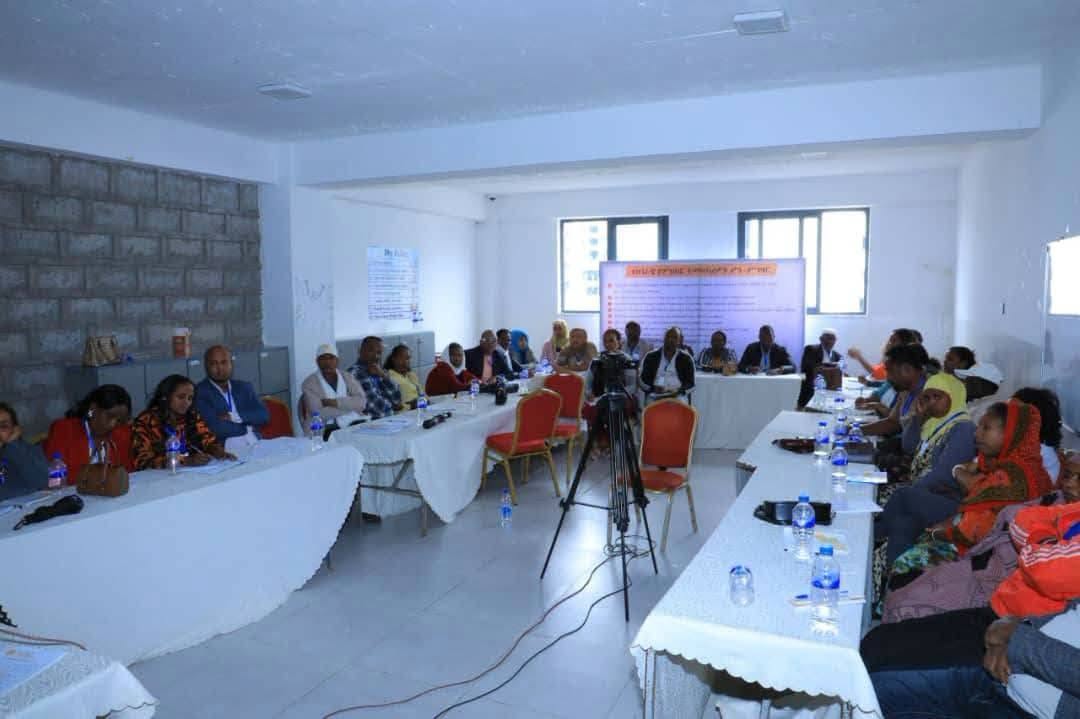
Addis Ababa, (AMECO) — More than 4,000 representatives from across Ethiopia have convened in the capital for the National Dialogue Conference, marking one of the country’s most expansive grassroots-to-national consultations aimed at addressing deep-seated political divisions and historic conflicts.
The initiative, led by the Ethiopian National Dialogue Commission (ENDC), seeks to move beyond traditional elite negotiations by involving delegates selected from diverse regional, religious, and socio-economic backgrounds. Organizers aim to establish a framework for long-term reconciliation and structural stability following years of security challenges and regional conflicts.
“The conference can only achieve its objectives through sincere participation and commitment, both from those present in this hall and the wider Ethiopian public.”
— Prof. Mesfin Araya, Chief Commissioner, ENDC
Addressing delegates at the opening session, Professor Mesfin emphasized that the process relies on broad civic commitment rather than top-down mandates, urging representatives to set aside narrow local or factional interests in favor of broader national priorities.
Key Mechanisms of the Dialogue Initiative
The consultations represent a critical phase in a multi-stage process designed to build consensus from the ground up:
-
Grassroots Ownership: Unlike previous top-down political arrangements, delegates were selected through community-level consultations to ensure broad public representation.
-
Civil Society Mobilization: Local community groups and religious institutions are running parallel peacebuilding efforts to maintain local security while national talks proceed.
-
Public Implementation: Commission guidelines stipulate that final recommendations will be submitted for public endorsement, placing the responsibility for preserving and implementing outcomes on civic institutions and local communities.
Navigating Operational and Societal Challenges
While organizers point to growing public support and localized community initiatives aimed at maintaining security during the talks, the commission faces significant headwinds.
Public skepticism, fueled by misinterpretation and online misinformation, remains an ongoing hurdle for commissioners trying to build institutional trust. Furthermore, the dialogue’s success will depend on whether its final recommendations can be translated into binding legislative and structural reforms accepted by all major political factions.
Despite these challenges, grassroots participation suggests a widespread preference for institutional mechanisms over violent conflict. Communities across several regions have reportedly intensified local security coordination to prevent disruptions to the national talks—signaling an operational shift toward community-led stability.
The conference is expected to continue deliberations over the coming weeks before issuing a final set of policy recommendations and political consensus strategies.