AMECO AFRICA
Addis Ababa, 3 November 2026. Once a wheat importer reliant on aid, the country is now being likened to “Africa’s China,” says economist Zemedeneh Negatu
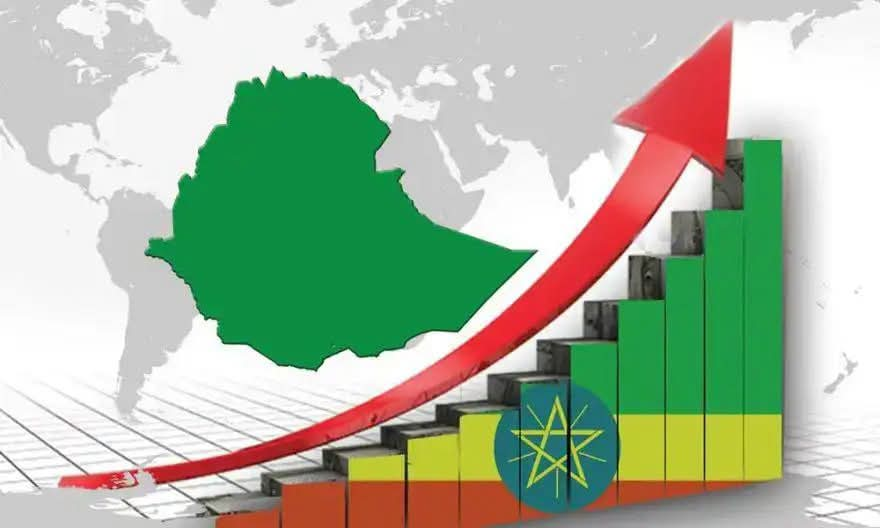
A country that once depended on imported wheat and aid is now projected to join the world’s largest economies. Ethiopia’s gross domestic product (GDP) is set to reach $1.6 trillion by 2050, according to a long-term forecast by the New York-based investment bank Goldman Sachs, economist Zemedeneh Negatu has said.
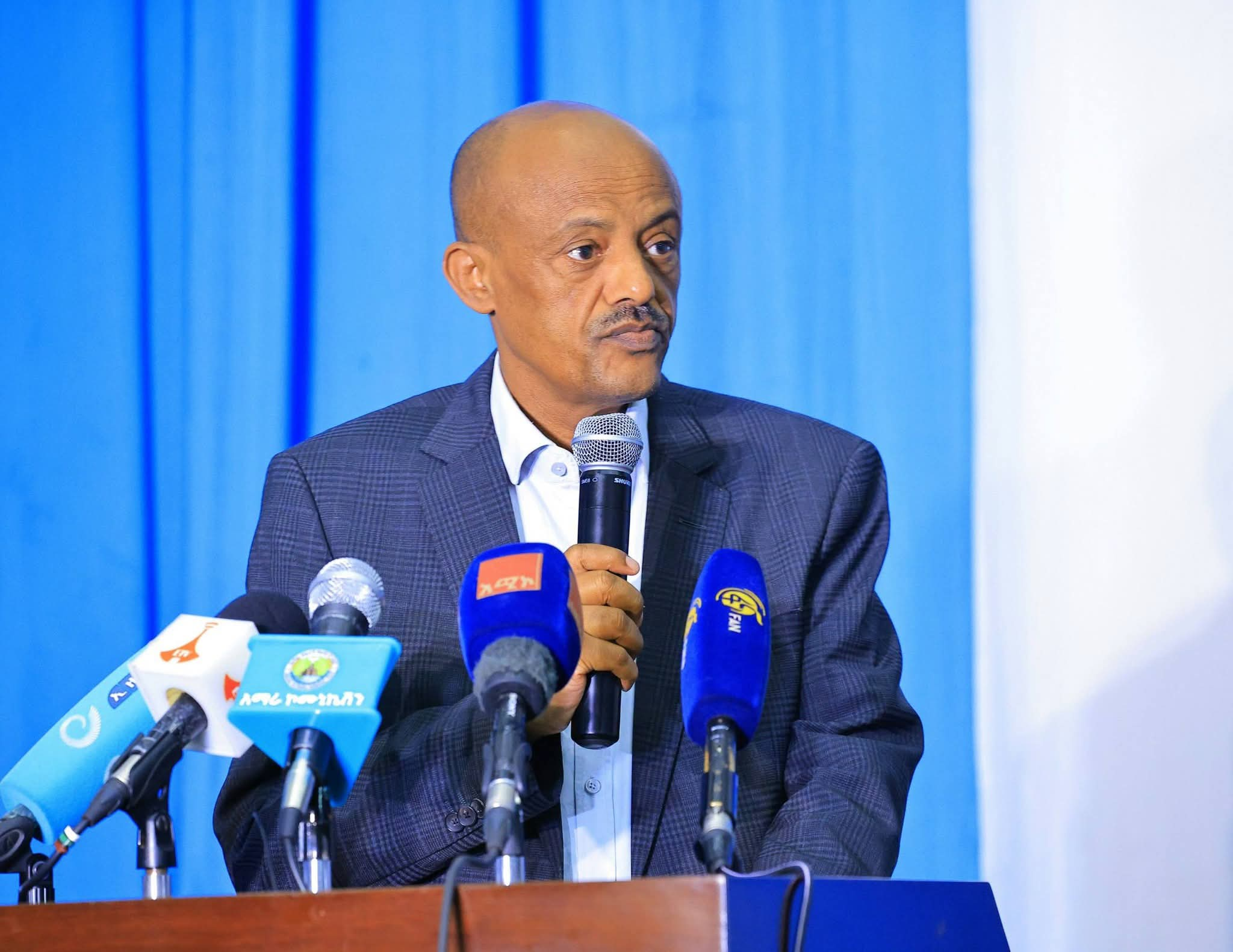
In an interview with the Ethiopian Broadcasting Corporation (EBC), Zemedeneh said Ethiopia has been registering remarkable growth since undertaking macroeconomic and financial structural reforms.
Citing International Monetary Fund (IMF) projections, he noted that Ethiopia is the world’s second-fastest-growing economy. He said the country is recording GDP growth of 9.2 percent, more than double the African average of 4.2 percent.
Zemedeneh said the Goldman Sachs forecast indicates that by 2075 Ethiopia will become one of the world’s 20 largest economies, reaching $6.2 trillion and ranking alongside Saudi Arabia, Türkiye, Italy and Canada.
He explained that, although Ethiopia’s population (138 million) is smaller than China’s, the country is being called “Africa’s China” because of its capable, hardworking young workforce and affordable energy supply.
He noted that Ethiopia, once a wheat importer dependent on aid, has become self-sufficient in wheat production and is moving toward exporting it.
The economist said the government is securing sustainable growth by prioritizing five key competitive sectors: agriculture, manufacturing, natural resources, tourism and technology. He added that, in terms of foreign direct investment (FDI), Ethiopia has consistently remained among Africa’s top five recipient countries over the past five years.
Precious minerals such as gold, potash and natural gas, the wide-ranging services of Ethiopian Airlines, and the engagement of the diaspora community hold significant potential for generating foreign currency, he said.
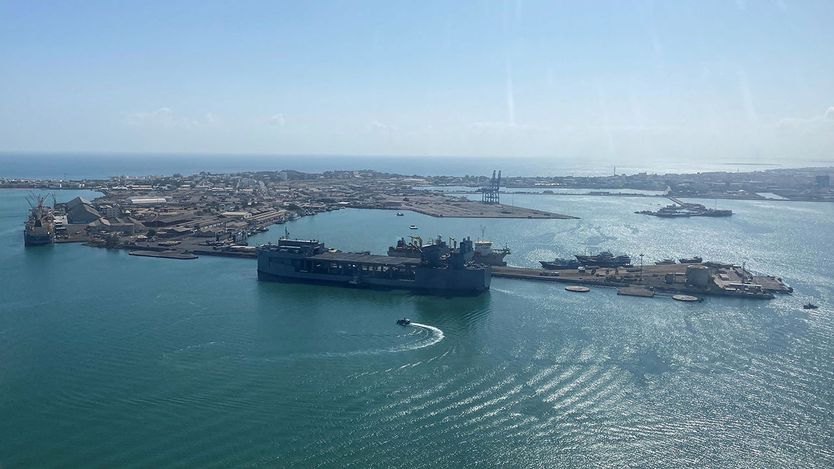
However, he stated that the lack of sea access is costing Ethiopia an estimated $40 billion to $60 billion a year in GDP impact, and stressed that this problem must be resolved in a lasting way.
The punch line, as Zemedeneh put it: Ethiopia’s path to prosperity, built on homegrown economic reform and the Medemer philosophy, is winning international recognition.