AMECO AFRICA
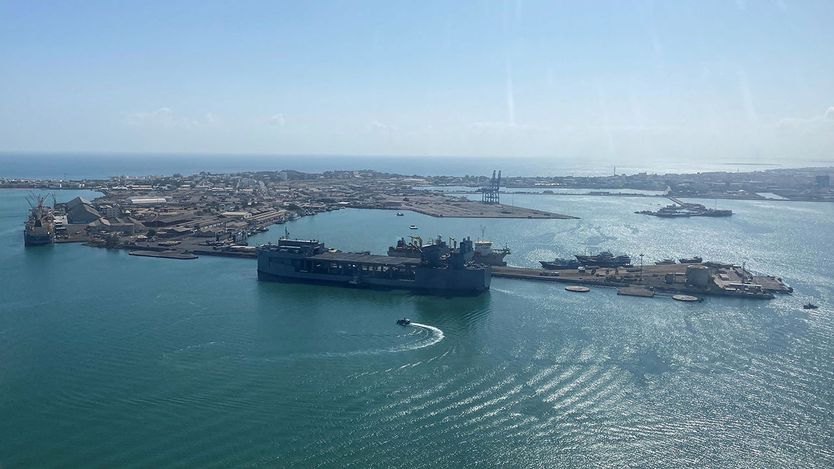
Addis Ababa, 02 November 2026.—Every year, Ethiopia spends large sums of foreign currency on port fees and logistics, money that could fund education, health and infrastructure.
What does the loss of sea access mean for a great people, the custodians of a long history and a vast country? This fundamental question directly tests our country’s historical journey, its economic capacity and its very survival.
Prime Minister Abiy Ahmed (PhD) has repeatedly stated that the question of sea access is foremost among the critical national issues that will determine Ethiopia’s future.For a country of more than 130 million people, the absence of direct sea access has placed heavy pressure on trade, economic growth and strategic security.
The large sums of foreign currency the country spends each year on port fees and logistics represent a substantial resource that could be used for education, health and infrastructure. These bloated logistics costs are driving up the prices of goods and negatively affecting our international trade competitiveness.
At a time when the population is growing rapidly and meeting development needs is imperative, the lack of sea access is a challenge that hinders future plans. Accordingly, the question of sea access ownership is not only the aspiration of the present generation; it is an existential matter of building strong national capacity for generations to come.
Recognizing this pressure, the Medemer (synergy) government is working with focus, making the pursuit of a lasting solution that extends to future generations a core national goal. Ethiopia’s efforts to secure sea access go beyond strengthening its domestic economic capacity; they would also bring balance to its geopolitical role in the region.
The question is not raised to pose a threat to anyone. Rather, it is a legitimate effort to link the country’s economic security with the shared prosperity of the region. If this linkage is pursued on the basis of peaceful dialogue and the principle of mutual benefit, it will make a significant contribution to trade, economic integration and the achievement of peace in the area.
Establishing reliable transport and logistics corridors will not only connect producers to global markets but also generate economic revitalization for communities along the routes. In particular, when aligned with the African Continental Free Trade Area, which is now being put into practice, it will encourage broad trade connectivity.
Ethiopia’s historical bond with the Red Sea is not limited to geographic proximity; it is built on centuries of trade, people-to-people relations and regional cooperation. Renewing this historical link through lasting economic partnership is a vital pillar for both the country’s prosperity and the shared growth of the region.
Accordingly, sea access is a matter of building strong national capacity that carries over to future generations, ensuring economic security and safeguarding sovereignty. When this just question is answered on the basis of peaceful dialogue, a legal framework and the principle of mutual benefit, it will contribute greatly not only to the country’s lasting prosperity but also to dependable peace and development across the whole region.
Sea access is not a threat to anyone. It is a bridge to shared prosperity.