AMECO AFRICA
By Yohannes Lijalem
Berlin has given the AU more than €1 billion since 2004, and both sides now agree on shared priorities ahead of COP32
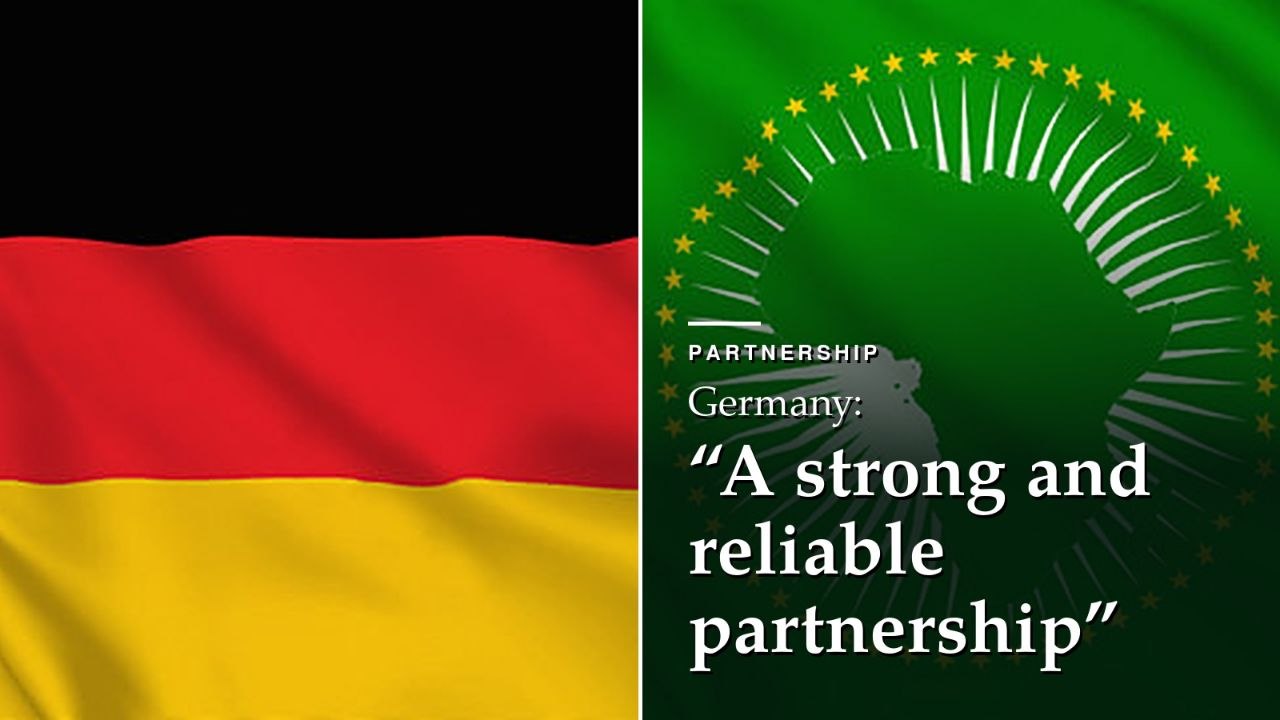
Addis Ababa, 01 November 2026. The African Union and Germany have reaffirmed their partnership and agreed on shared priorities, according to a press release from the German Embassy in Addis Ababa.
The agreement follows a Strategic Dialogue on Development Cooperation held in the Ethiopian capital on 20 and 21 October. Both sides pledged to anchor the partnership in the AU’s “Agenda 2063: The Africa We Want”. Germany also pointed to close coordination and co-financing with the EU and other member states under “Team Europe Initiatives”.
Money and trust
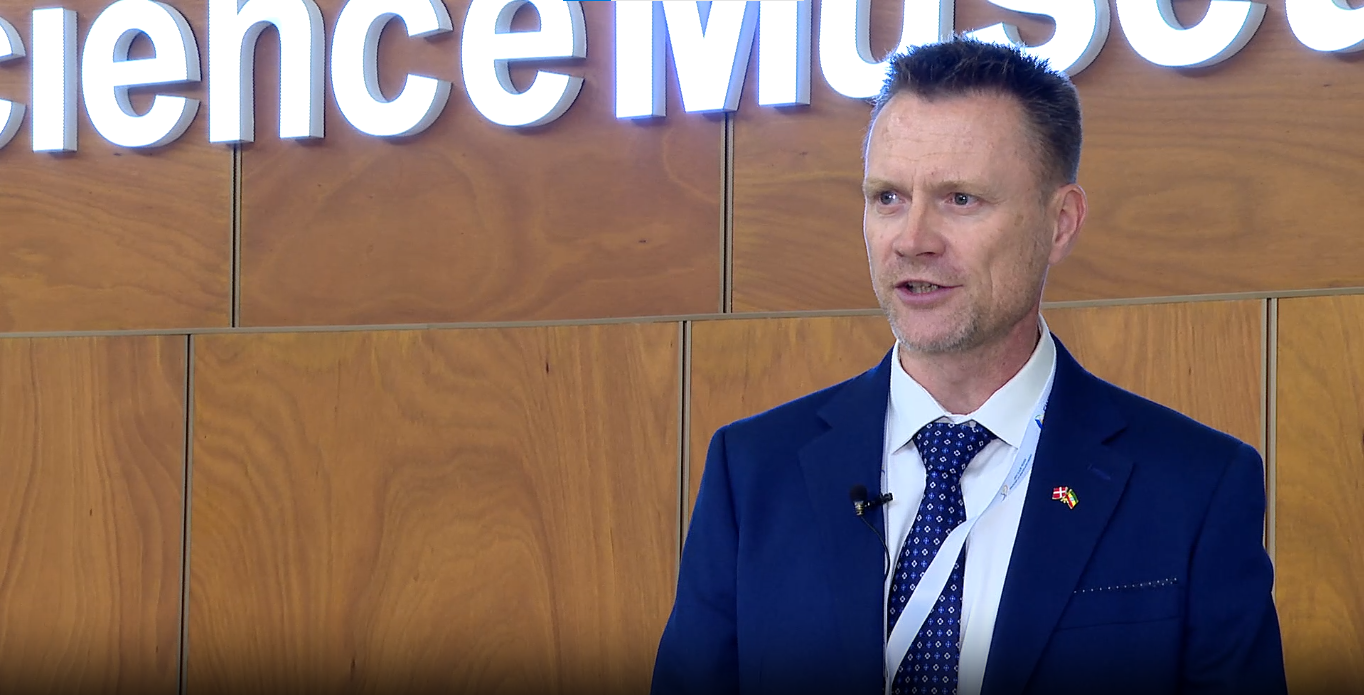
Mr Ronald Meyer, who led the German delegation, stressed the scale of Berlin’s backing. “Since 2004, Germany has been a trusted partner of the African Union and supported the institution with more than one billion euros,” he said. “This shows our commitment to a strong and reliable partnership.”
He added: “Together, we aim to support African-led priorities, from regional integration and peacebuilding to climate-resilient development, stronger health systems, and to translate shared commitments into tangible and lasting results across the continent.”
Mr Meyer is Head of Division for Policy Issues of Cooperation with Africa / African Union at Germany’s Federal Ministry for Economic Cooperation and Development (BMZ). Dr Steve Patrick Lalande, Director of the Partnerships and Resource Mobilisation Directorate, led the AU side.
The release said the partnership is built on trust and fully supports Africa’s own priorities and institutions.
Amb. Moussa Mohamed Omar, Deputy Chief of Staff in the Cabinet of the Chairperson of the African Union Commission, is quoted as saying: “This Strategic Dialogue reaffirmed our shared commitment to Agenda 2063 and to practical cooperation that advances integration, resilience, peace and prosperity, for the benefit of African citizens across the continent.”
The four goals
Cooperation rests on four aims:
– Sustainable economic development, regional integration and stronger domestic resource mobilisation
– A peaceful, stable and well-governed Africa
– A socially just, climate-resilient energy and economic transition
– Stronger health institutions and more self-reliant health systems
Delegates also highlighted the partnership’s contribution to AU reforms and the bloc’s sustainable financing, the release said.
Where the focus lies
Trade and integration. Support will go to implementing the African Continental Free Trade Area (AfCFTA), green economic corridors and an African Single Digital Market.
Security and governance. The partners aim to strengthen the AU on conflict prevention, early warning, mediation and peacebuilding, and on the climate, peace and security nexus. That includes tackling terrorism-financing and recovering illegally obtained assets.
Energy. The talks noted continued progress on the African Single Electricity Market (AfSEM) and the Continental Power System Master Plan (CMP). They also stressed the need to mobilise finance for renewable energy and resilient infrastructure.
Health. Priorities include strengthening continental institutions, expanding African production of medical products and improving access to essential services, as part of Africa’s Health Architecture.
Eyes on COP32
With COP32 due in Addis Ababa, both parties stressed the need to address cross-cutting issues. These include the links between development and climate action, water security, food security, climate-resilient agriculture and biodiversity.
They also agreed to further strengthen bilateral, regional and multilateral portfolios.
What has been delivered
The embassy said the future partnership builds on results already achieved:
Energy: a pipeline of renewable projects covering 1,500 km of transmission lines and 4 GW of generation capacity
Trade: the possibility of trading almost 100 goods under free trade conditions between eight countries with more than 330 million consumers under the AfCFTA, including pharmaceuticals from Tunisia to South Africa
Infrastructure: investment in ports, shipping infrastructure, roads and railways in the Central Corridor, linking seven countries and more than 300 million consumers to Tanzania’s port of Dar es Salaam
Next steps
The next AU–Germany Dialogue on Development Cooperation will be held in Addis Ababa in 2027.
Source: Press release, German Embassy in Addis Ababa, 29 October 2026.