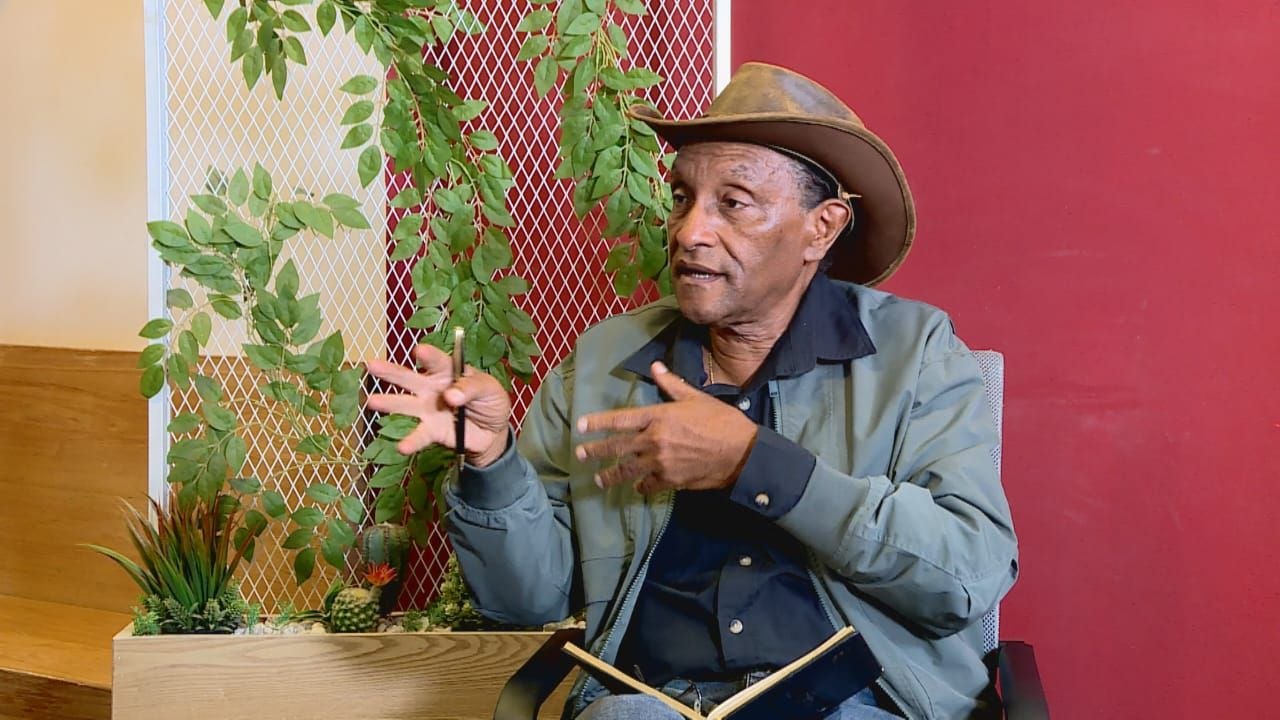
Editor’s Note: As the Ethiopian National Dialogue Conference enters its final phase in Addis Ababa, legal scholar, political commentator, and veteran diaspora advocate Alemayehu Gebremeriam—Professor Emeritus and attorney at law at California State University—offers a deeply personal and strategic reflection on the proceedings. Participating in the conference as a veteran diaspora delegate alongside more than 4,000 representatives from across the country, Professor Alemayehu Gebremeriam draws on two decades of public advocacy to contextualize Ethiopia’s historic transition from intense deliberation to actionable national consensus. Below is his commentary on the closing stretch of this national endeavor.
𝐅𝐑𝐎𝐌 𝐃𝐄𝐋𝐈𝐁𝐄𝐑𝐀𝐓𝐈𝐎𝐍 𝐓𝐎 𝐃𝐈𝐑𝐄𝐂𝐓𝐈𝐎𝐍: 𝐄𝐭𝐡𝐢𝐨𝐩𝐢𝐚’𝐬 𝐍𝐚𝐭𝐢𝐨𝐧𝐚𝐥 𝐃𝐢𝐚𝐥𝐨𝐠𝐮𝐞 𝐢𝐧 𝐭𝐡𝐞 𝐅𝐢𝐧𝐚𝐥 𝐒𝐭𝐫𝐞𝐭𝐜𝐡
𝐃𝐚𝐲 19 – 𝐒𝐚𝐭𝐮𝐫𝐝𝐚𝐲, 𝐀𝐮𝐠𝐮𝐬𝐭 8, 2026
The Ethiopian National Dialogue has entered its final stretch—not the end of Ethiopia’s journey, but the point at which weeks of listening, questioning, disagreement, and patient deliberation must be transformed into clear national direction.
The Conference opened in Addis Ababa on July 15, 2026, bringing together more than 4,000 representatives from across Ethiopia and the global diaspora. The delegates were drawn from more than 1,200 woredas (districts) and included representatives of local communities, civil society organizations, religious institutions, women, youth, veteran diaspora members, and other key sectors of society. The process followed extensive grassroots consultations and was organized around the country’s most consequential political, constitutional, social, economic, and peacebuilding questions.
The Ethiopian National Dialogue Commission tasked by law to organize the Conference was established to identify the root causes of national division, facilitate inclusive dialogue, build consensus, present recommendations to relevant institutions, and help design mechanisms to monitor implementation. Its mandated and guiding values include inclusivity, clarity, credibility, neutrality, rationality, partnership, and effectiveness.
These principles have given the Conference both a moral purpose and a practical structure. The delegates are not gathered merely to exchange speeches. They are working to convert Ethiopia’s accumulated grievances, aspirations, and competing visions into a shared national agenda.
The Final Miles
We are now preparing the final recommendations for presentation to the 500-member plenary groups. Within the working structure of the Conference, representatives from the 250-member groups have been organized into strategic drafting teams. From these teams, smaller groups of delegates have been entrusted with the demanding responsibility of preparing harmonized drafts. Their work is both technical and profoundly political.
These teams must gather discussion points, opinions, concerns, and grievances that originated in the micro-groups of 10 and the sub-groups of 50 and 250. They must ensure that proposed ideas and perspectives are not lost as proposals move upward through the deliberative structure. They must identify ambiguity, remove inflammatory language, clarify concepts, reconcile overlapping proposals, and produce texts that are fair, precise, and capable of commanding broad public confidence.
These drafters and agenda summarizers are more than editors. They are the bridge between Ethiopia’s many voices and the possibility of a common national direction. Their task is to preserve the substance of disagreement while creating language through which citizens can recognize themselves and their aspirations.
The final documents will proceed to the 500-member thematic plenaries for broader debate, validation, revision, and consensus-building. This method reflects the Commission’s wider responsibility to consolidate recommendations from dialogue forums, prepare a comprehensive national report, submit the outcomes to the relevant public institutions, disclose them to the public, and support the development of an implementation plan.
𝐓𝐡𝐞 𝐩𝐫𝐨𝐜𝐞𝐬𝐬 𝐢𝐬 𝐭𝐡𝐞𝐫𝐞𝐟𝐨𝐫𝐞 𝐦𝐨𝐯𝐢𝐧𝐠 𝐟𝐫𝐨𝐦 𝐝𝐞𝐥𝐢𝐛𝐞𝐫𝐚𝐭𝐢𝐨𝐧 𝐭𝐨 𝐝𝐢𝐫𝐞𝐜𝐭𝐢𝐨𝐧—𝐟𝐫𝐨𝐦 𝐰𝐡𝐚𝐭 𝐄𝐭𝐡𝐢𝐨𝐩𝐢𝐚𝐧𝐬 𝐡𝐚𝐯𝐞 𝐬𝐚𝐢𝐝 𝐭𝐨 𝐰𝐡𝐚𝐭 𝐄𝐭𝐡𝐢𝐨𝐩𝐢𝐚 𝐦𝐮𝐬𝐭 𝐝𝐨.
A Marathon, Not a Sprint
𝐁𝐮𝐢𝐥𝐝𝐢𝐧𝐠 𝐚 𝐜𝐨𝐮𝐧𝐭𝐫𝐲’𝐬 𝐟𝐮𝐭𝐮𝐫𝐞 𝐭𝐡𝐫𝐨𝐮𝐠𝐡 𝐧𝐚𝐭𝐢𝐨𝐧𝐚𝐥 𝐝𝐢𝐚𝐥𝐨𝐠𝐮𝐞 𝐢𝐬 𝐧𝐨𝐭 𝐚 100-𝐦𝐞𝐭𝐞𝐫 𝐬𝐩𝐫𝐢𝐧𝐭. 𝐈𝐭 𝐢𝐬 𝐚𝐧 𝐞𝐱𝐡𝐚𝐮𝐬𝐭𝐢𝐧𝐠 𝐚𝐧𝐝 𝐥𝐚𝐛𝐨𝐫𝐢𝐨𝐮𝐬 𝐡𝐢𝐠𝐡-𝐚𝐥𝐭𝐢𝐭𝐮𝐝𝐞 𝐦𝐚𝐫𝐚𝐭𝐡𝐨𝐧 𝐚𝐜𝐫𝐨𝐬𝐬 𝐫𝐮𝐠𝐠𝐞𝐝 𝐚𝐧𝐝 𝐮𝐧𝐟𝐚𝐦𝐢𝐥𝐢𝐚𝐫 𝐭𝐞𝐫𝐫𝐚𝐢𝐧.
𝐎𝐯𝐞𝐫 𝐭𝐡𝐞 𝐩𝐚𝐬𝐭 𝐭𝐡𝐫𝐞𝐞 𝐰𝐞𝐞𝐤𝐬, 𝐭𝐡𝐞 𝐄𝐭𝐡𝐢𝐨𝐩𝐢𝐚𝐧 𝐍𝐚𝐭𝐢𝐨𝐧𝐚𝐥 𝐃𝐢𝐚𝐥𝐨𝐠𝐮𝐞 𝐂𝐨𝐧𝐟𝐞𝐫𝐞𝐧𝐜𝐞 𝐡𝐚𝐬 𝐭𝐞𝐬𝐭𝐞𝐝 𝐭𝐡𝐞 𝐞𝐧𝐝𝐮𝐫𝐚𝐧𝐜𝐞, 𝐝𝐢𝐬𝐜𝐢𝐩𝐥𝐢𝐧𝐞, 𝐜𝐨𝐮𝐫𝐚𝐠𝐞 𝐨𝐟 𝐞𝐯𝐞𝐫𝐲 𝐝𝐞𝐥𝐞𝐠𝐚𝐭𝐞 𝐚𝐧𝐝 𝐜𝐨𝐥𝐥𝐞𝐜𝐭𝐢𝐯𝐞 𝐰𝐢𝐥𝐥 𝐨𝐟 𝐚𝐥𝐥 𝐢𝐧𝐯𝐨𝐥𝐯𝐞𝐝. 𝐓𝐡𝐞𝐫𝐞 𝐡𝐚𝐯𝐞 𝐛𝐞𝐞𝐧 𝐦𝐨𝐦𝐞𝐧𝐭𝐬 𝐨𝐟 𝐞𝐱𝐡𝐢𝐥𝐚𝐫𝐚𝐭𝐢𝐨𝐧 𝐚𝐧𝐝 𝐦𝐨𝐦𝐞𝐧𝐭𝐬 𝐨𝐟 𝐟𝐚𝐭𝐢𝐠𝐮𝐞; 𝐦𝐨𝐦𝐞𝐧𝐭𝐬 𝐰𝐡𝐞𝐧 𝐭𝐡𝐞 𝐩𝐚𝐭𝐡 𝐬𝐞𝐞𝐦𝐞𝐝 𝐜𝐥𝐞𝐚𝐫 𝐚𝐧𝐝 𝐨𝐭𝐡𝐞𝐫𝐬 𝐰𝐡𝐞𝐧 𝐭𝐡𝐞 𝐧𝐞𝐱𝐭 𝐬𝐭𝐞𝐩 𝐚𝐩𝐩𝐞𝐚𝐫𝐞𝐝 𝐮𝐧𝐜𝐞𝐫𝐭𝐚𝐢𝐧 𝐚𝐧𝐝 𝐜𝐨𝐧𝐟𝐮𝐬𝐞𝐝.
Yet that is the nature of a marathon. The runner does not conquer the distance in a single burst of speed. The runner advances through rhythm, patience, mutual encouragement, and the disciplined refusal to stop and press on to end despite the pain, cramp, soreness and spasm.
The same is true of Ethiopia’s National Dialogue.
Every great marathon begins at dawn with a mixture of nervous energy, hope, anticipation, and apprehension.
On July 15, 2026, delegates to the Conference — community leaders, political actors, scholars, religious figures, civil society representatives, veteran diaspora voices, and citizens from all walks of life from across Ethiopia and abroad entered the Addis Ababa Convention Center and stood at the national marathon race starting line. They brought to the race different histories, regions, identities, political convictions, grievances, dreams, and expectations.
But they also brought something larger than their differences: the conviction of an inescapable possibility of a shared future and destiny.
𝐌𝐲 𝐏𝐞𝐫𝐬𝐨𝐧𝐚𝐥 𝐒𝐭𝐚𝐫𝐭𝐢𝐧𝐠 𝐋𝐢𝐧𝐞
As I looked across that sea of nearly 4,000 Ethiopians filling the convention hall on the first day, a profound stillness washed over me. For a moment, the atmosphere felt almost surreal as the surrounding noise of political rhetoric and grandstanding receded into total serenity. Before me was an extraordinary sight: thousands of Ethiopians gathered not to raise weapons against one another, but to ask hard questions, share heavy burdens, and chart a peaceful path forward.
For me, as a veteran diaspora member who has spent decades advocating from afar, that moment carried the weight of twenty years.
For two decades, I have written, spoken, argued, taught, and advocated for an Ethiopia secure in its unity, sovereignty, dignity, peace, progress, and prosperity. My contribution has taken many forms: essays and public commentary, policy arguments, formal communications, conversations in academic and civic spaces, and persistent efforts to defend the principle that Ethiopia’s problems must ultimately be addressed through Ethiopian agency, Ethiopian wisdom, and Ethiopian institutions.
𝐓𝐡𝐞𝐫𝐞 𝐰𝐞𝐫𝐞 𝐥𝐨𝐧𝐠 𝐚𝐧𝐝 𝐝𝐚𝐫𝐤 𝐬𝐞𝐚𝐬𝐨𝐧𝐬 𝐰𝐡𝐞𝐧 𝐭𝐡𝐞 𝐝𝐫𝐞𝐚𝐦 𝐨𝐟 𝐚 𝐛𝐫𝐨𝐚𝐝 𝐧𝐚𝐭𝐢𝐨𝐧𝐚𝐥 𝐠𝐚𝐭𝐡𝐞𝐫𝐢𝐧𝐠—𝐚 𝐬𝐩𝐚𝐜𝐞 𝐰𝐡𝐞𝐫𝐞 𝐄𝐭𝐡𝐢𝐨𝐩𝐢𝐚𝐧𝐬 𝐦𝐢𝐠𝐡𝐭 𝐥𝐢𝐬𝐭𝐞𝐧 𝐢𝐧 𝐠𝐨𝐨𝐝 𝐟𝐚𝐢𝐭𝐡 𝐚𝐧𝐝 𝐜𝐨𝐥𝐥𝐞𝐜𝐭𝐢𝐯𝐞𝐥𝐲 𝐫𝐞𝐧𝐨𝐮𝐧𝐜𝐞 𝐩𝐨𝐥𝐢𝐭𝐢𝐜𝐚𝐥 𝐯𝐢𝐨𝐥𝐞𝐧𝐜𝐞—𝐟𝐞𝐥𝐭 𝐢𝐦𝐩𝐨𝐬𝐬𝐢𝐛𝐥𝐲 𝐝𝐢𝐬𝐭𝐚𝐧𝐭. 𝐈 𝐬𝐚𝐰 𝐝𝐢𝐬𝐚𝐩𝐩𝐨𝐢𝐧𝐭𝐦𝐞𝐧𝐭, 𝐜𝐨𝐧𝐟𝐥𝐢𝐜𝐭, 𝐚𝐧𝐝 𝐩𝐨𝐥𝐢𝐭𝐢𝐜𝐚𝐥 𝐡𝐞𝐚𝐫𝐭𝐛𝐫𝐞𝐚𝐤 𝐦𝐨𝐮𝐧𝐭𝐞𝐝 𝐲𝐞𝐚𝐫 𝐚𝐟𝐭𝐞𝐫 𝐲𝐞𝐚𝐫.
𝐌𝐲 𝐰𝐨𝐫𝐤 𝐨𝐟 𝐚𝐝𝐯𝐨𝐜𝐚𝐜𝐲 𝐨𝐟𝐭𝐞𝐧 𝐟𝐞𝐥𝐭 𝐥𝐢𝐤𝐞 𝐚 𝐥𝐨𝐧𝐠 𝐝𝐚𝐲’𝐬 𝐣𝐨𝐮𝐫𝐧𝐞𝐲 𝐢𝐧𝐭𝐨 𝐚 𝐥𝐨𝐧𝐞𝐥𝐲 𝐝𝐚𝐫𝐤 𝐧𝐢𝐠𝐡𝐭 —𝐚 𝐬𝐨𝐥𝐢𝐭𝐚𝐫𝐲 𝐦𝐚𝐫𝐚𝐭𝐡𝐨𝐧 𝐰𝐡𝐞𝐫𝐞 𝐭𝐡𝐞 𝐦𝐢𝐥𝐞𝐬 𝐝𝐫𝐚𝐠𝐠𝐞𝐝 𝐨𝐧, 𝐩𝐨𝐬𝐢𝐭𝐢𝐯𝐞 𝐭𝐡𝐨𝐮𝐠𝐡𝐭𝐬 𝐚𝐧𝐝 𝐡𝐨𝐩𝐞𝐬 𝐭𝐮𝐫𝐧𝐞𝐝 𝐢𝐧𝐭𝐨 𝐚 𝐬𝐭𝐫𝐮𝐠𝐠𝐥𝐞 𝐟𝐨𝐫 𝐩𝐮𝐫𝐞 𝐞𝐧𝐝𝐮𝐫𝐚𝐧𝐜𝐞, 𝐚𝐧𝐝 𝐭𝐡𝐞 𝐛𝐮𝐫𝐝𝐞𝐧 𝐰𝐚𝐬 𝐦𝐢𝐧𝐞 𝐚𝐥𝐨𝐧𝐞 𝐭𝐨 𝐜𝐚𝐫𝐫𝐲. 𝐒𝐢𝐭𝐭𝐢𝐧𝐠 𝐢𝐧 𝐭𝐡𝐞 𝐝𝐚𝐫𝐤 𝐰𝐢𝐭𝐡 𝐨𝐧𝐥𝐲 𝐭𝐡𝐞 𝐠𝐥𝐨𝐰 𝐨𝐟 𝐦𝐲 𝐥𝐚𝐩𝐭𝐨𝐩 𝐬𝐜𝐫𝐞𝐞𝐧 𝐲𝐞𝐚𝐫 𝐚𝐟𝐭𝐞𝐫 𝐲𝐞𝐚𝐫, 𝐦𝐲 𝐬𝐩𝐞𝐜𝐭𝐚𝐭𝐨𝐫𝐬 𝐜𝐨𝐧𝐟𝐢𝐧𝐞𝐝 𝐭𝐨 𝐭𝐡𝐞 𝐝𝐢𝐠𝐢𝐭𝐚𝐥 𝐯𝐨𝐢𝐝, 𝐈 𝐡𝐚𝐝 𝐭𝐨 𝐝𝐫𝐚𝐰 𝐞𝐯𝐞𝐫𝐲 𝐨𝐮𝐧𝐜𝐞 𝐨𝐟 𝐬𝐭𝐫𝐞𝐧𝐠𝐭𝐡 𝐟𝐫𝐨𝐦 𝐢𝐧𝐭𝐞𝐫𝐧𝐚𝐥 𝐜𝐨𝐧𝐯𝐢𝐜𝐭𝐢𝐨𝐧 𝐚𝐧𝐝 𝐟𝐚𝐢𝐭𝐡 𝐢𝐧 𝐆𝐨𝐝 𝐚𝐬 𝐄𝐭𝐡𝐢𝐨𝐩𝐢𝐚’𝐬 𝐰𝐨𝐮𝐧𝐝𝐬 𝐜𝐨𝐧𝐭𝐢𝐧𝐮𝐞𝐝 𝐭𝐨 𝐛𝐥𝐞𝐞𝐝.
I refused to put down my pen or close my laptop, forging ahead to help heal Ethiopia’s wounds through my writing and desperate cries for change. I wrote through the silence and darkness, knowing that seeds sown during the harshest winters are those that take root to build a brighter, more prosperous future for our country.
𝐎𝐧 𝐉𝐮𝐥𝐲 15, 𝐬𝐢𝐭𝐭𝐢𝐧𝐠 𝐨𝐧 𝐭𝐡𝐞 𝐂𝐨𝐧𝐯𝐞𝐧𝐭𝐢𝐨𝐧 𝐂𝐞𝐧𝐭𝐞𝐫 𝐟𝐥𝐨𝐨𝐫, 𝐈 𝐰𝐚𝐭𝐜𝐡𝐞𝐝 𝐭𝐡𝐨𝐬𝐞 𝐬𝐞𝐞𝐝𝐬—𝐛𝐮𝐫𝐢𝐞𝐝 𝐟𝐨𝐫 𝐭𝐰𝐨 𝐝𝐞𝐜𝐚𝐝𝐞𝐬—𝐟𝐢𝐧𝐚𝐥𝐥𝐲 𝐬𝐩𝐫𝐨𝐮𝐭. 𝐎𝐯𝐞𝐫𝐰𝐡𝐞𝐥𝐦𝐞𝐝 𝐰𝐢𝐭𝐡 𝐩𝐫𝐨𝐟𝐨𝐮𝐧𝐝 𝐠𝐫𝐚𝐭𝐢𝐭𝐮𝐝𝐞, 𝐈 𝐤𝐧𝐞𝐰 𝐭𝐡𝐞 𝐭𝐫𝐮𝐞 𝐰𝐨𝐫𝐤 𝐨𝐟 𝐩𝐞𝐚𝐜𝐞 𝐡𝐚𝐝 𝐨𝐧𝐥𝐲 𝐣𝐮𝐬𝐭 𝐛𝐞𝐠𝐮𝐧, 𝐛𝐮𝐭 𝐈 𝐜𝐨𝐮𝐥𝐝 𝐟𝐢𝐧𝐚𝐥𝐥𝐲 𝐬𝐞𝐞 𝐦𝐲 𝐥𝐢𝐟𝐞𝐥𝐨𝐧𝐠 𝐝𝐫𝐞𝐚𝐦 𝐟𝐨𝐫 𝐄𝐭𝐡𝐢𝐨𝐩𝐢𝐚 𝐭𝐫𝐚𝐧𝐬𝐟𝐨𝐫𝐦𝐢𝐧𝐠 𝐟𝐫𝐨𝐦 𝐟𝐚𝐧𝐭𝐚𝐬𝐲 𝐟𝐫𝐨𝐦 𝐟𝐚𝐫, 𝐟𝐚𝐫 𝐚𝐰𝐚𝐲 𝐢𝐧𝐭𝐨 𝐚 𝐜𝐨𝐥𝐥𝐞𝐜𝐭𝐢𝐯𝐞 𝐫𝐞𝐚𝐥𝐢𝐭𝐲 𝐨𝐧 𝐄𝐭𝐡𝐢𝐨𝐩𝐢𝐚𝐧 𝐬𝐨𝐢𝐥. 𝐈𝐭 𝐛𝐞𝐜𝐚𝐦𝐞 𝐜𝐥𝐞𝐚𝐫 𝐭𝐨 𝐦𝐞 𝐭𝐡𝐚𝐭 𝐰𝐡𝐢𝐥𝐞 𝐭𝐡𝐞 𝐫𝐞𝐚𝐥 𝐥𝐚𝐛𝐨𝐫 𝐨𝐟 𝐩𝐞𝐚𝐜𝐞 𝐰𝐚𝐬 𝐣𝐮𝐬𝐭 𝐛𝐞𝐠𝐢𝐧𝐧𝐢𝐧𝐠, 𝐭𝐡𝐞 𝐯𝐢𝐬𝐢𝐨𝐧 𝐨𝐟 𝐚 𝐮𝐧𝐢𝐟𝐢𝐞𝐝 𝐄𝐭𝐡𝐢𝐨𝐩𝐢𝐚 𝐰𝐚𝐬 𝐧𝐨 𝐥𝐨𝐧𝐠𝐞𝐫 𝐚 𝐬𝐨𝐥𝐢𝐭𝐚𝐫𝐲 𝐝𝐫𝐞𝐚𝐦—𝐢𝐭 𝐰𝐚𝐬 𝐛𝐞𝐜𝐨𝐦𝐢𝐧𝐠 𝐚 𝐬𝐡𝐚𝐫𝐞𝐝 𝐧𝐚𝐭𝐢𝐨𝐧𝐚𝐥 𝐄𝐭𝐡𝐢𝐨𝐩𝐢𝐚𝐧 𝐫𝐞𝐚𝐥𝐢𝐭𝐲.
That experience humbled me. It reminded me that public service is rarely measured by immediate applause. Much of it consists of remaining faithful to a worthy purpose when success is not yet visible, when the going gets tough. The National Dialogue made visible what years of writing and advocacy had taught me: when purpose, discipline, patience, and moral conviction are sustained long enough, the seemingly impossible can begin to move toward possibility.
𝐌𝐲 𝐡𝐨𝐩𝐞 𝐚𝐧𝐝 𝐜𝐚𝐦𝐩𝐚𝐢𝐠𝐧 𝐭𝐨 “𝐌𝐀𝐊𝐄 𝐄𝐓𝐇𝐈𝐎𝐏𝐈𝐀 𝐆𝐑𝐄𝐀𝐓 𝐀𝐆𝐀𝐈𝐍” 𝐡𝐚𝐬 𝐧𝐞𝐯𝐞𝐫 𝐦𝐞𝐚𝐧𝐭 𝐠𝐫𝐞𝐚𝐭𝐧𝐞𝐬𝐬 𝐭𝐡𝐫𝐨𝐮𝐠𝐡 𝐝𝐨𝐦𝐢𝐧𝐚𝐭𝐢𝐨𝐧 𝐨𝐫 𝐭𝐫𝐢𝐮𝐦𝐩𝐡 𝐨𝐯𝐞𝐫 𝐨𝐭𝐡𝐞𝐫𝐬. 𝐈𝐭 𝐡𝐚𝐬 𝐦𝐞𝐚𝐧𝐭 𝐚𝐧 𝐄𝐭𝐡𝐢𝐨𝐩𝐢𝐚 𝐰𝐡𝐨𝐬𝐞 𝐠𝐫𝐞𝐚𝐭𝐧𝐞𝐬𝐬 𝐢𝐬 𝐞𝐱𝐩𝐫𝐞𝐬𝐬𝐞𝐝 𝐭𝐡𝐫𝐨𝐮𝐠𝐡 𝐩𝐞𝐚𝐜𝐞, 𝐣𝐮𝐬𝐭𝐢𝐜𝐞, 𝐢𝐧𝐬𝐭𝐢𝐭𝐮𝐭𝐢𝐨𝐧𝐚𝐥 𝐬𝐭𝐫𝐞𝐧𝐠𝐭𝐡, 𝐞𝐜𝐨𝐧𝐨𝐦𝐢𝐜 𝐨𝐩𝐩𝐨𝐫𝐭𝐮𝐧𝐢𝐭𝐲, 𝐧𝐚𝐭𝐢𝐨𝐧𝐚𝐥 𝐡𝐨𝐧𝐨𝐫, 𝐚𝐧𝐝 𝐭𝐡𝐞 𝐩𝐫𝐨𝐭𝐞𝐜𝐭𝐢𝐨𝐧 𝐨𝐟 𝐞𝐯𝐞𝐫𝐲 𝐜𝐢𝐭𝐢𝐳𝐞𝐧’𝐬 𝐡𝐮𝐦𝐚𝐧𝐢𝐭𝐲 𝐚𝐧𝐝 𝐝𝐢𝐠𝐧𝐢𝐭𝐲.
Standing in the convention hall, I felt that my labor of love of those years in darkness and shadow had found a new home—not in one person’s words, but in the courage, good will, good faith, wisdom and intelligence of four thousand – 130 million – Ethiopians!
Finding Our Rhythm
The early miles of every marathon require runners to find their rhythm. They must resist the temptation to spend all their energy at the beginning. They must learn the pace of the course and the movement of those running beside them.
The early days of the Dialogue were similar. Delegates encountered mistrust, skepticism, fear, doubt, apprehension, and, in some cases, hostility. Many understandably asked whether such a large and diverse gathering could truly reach common ground on questions that had divided Ethiopians for generations.
The answer began to emerge in the micro-groups of 10.
In those smaller circles, humanity transcended political labels. Delegates listened to personal stories and discovered that behind opposing ideologies lay shared fears: insecurity, poverty, exclusion, displacement, injustice, and unemployment.
Above all, they shared a simple desire to live in peace with dignity. These discussions did not erase our disagreements, but they did something far more valuable: they made those disagreements human, civil, respectful, and compassionate. When we recognize that harming another ultimately diminishes ourselves, cruelty gives way to kindness—and we realize that while suffering is unnecessary, it is bound up with us all.
𝐖𝐞 𝐛𝐞𝐠𝐚𝐧 𝐭𝐨 𝐮𝐧𝐝𝐞𝐫𝐬𝐭𝐚𝐧𝐝 𝐭𝐡𝐚𝐭 𝐭𝐡𝐞 𝐭𝐚𝐬𝐤 𝐰𝐚𝐬 𝐧𝐨𝐭 𝐭𝐨 𝐩𝐨𝐢𝐧𝐭 𝐚𝐜𝐜𝐮𝐬𝐚𝐭𝐨𝐫𝐲 𝐟𝐢𝐧𝐠𝐞𝐫𝐬 𝐚𝐭 𝐨𝐧𝐞 𝐚𝐧𝐨𝐭𝐡𝐞𝐫 𝐨𝐫 𝐭𝐨 𝐫𝐞𝐩𝐞𝐚𝐭 𝐞𝐯𝐞𝐫𝐲 𝐠𝐫𝐢𝐞𝐯𝐚𝐧𝐜𝐞 𝐚𝐬 𝐚 𝐰𝐞𝐚𝐩𝐨𝐧. 𝐓𝐡𝐞 𝐭𝐚𝐬𝐤 𝐰𝐚𝐬 𝐭𝐨 𝐫𝐞𝐬𝐜𝐮𝐞 𝐄𝐭𝐡𝐢𝐨𝐩𝐢𝐚 𝐟𝐫𝐨𝐦 𝐭𝐡𝐞 𝐜𝐲𝐜𝐥𝐞 𝐨𝐟 𝐯𝐢𝐨𝐥𝐞𝐧𝐜𝐞, 𝐫𝐞𝐬𝐞𝐧𝐭𝐦𝐞𝐧𝐭, 𝐚𝐧𝐝 𝐩𝐨𝐥𝐢𝐭𝐢𝐜𝐚𝐥 𝐞𝐱𝐡𝐚𝐮𝐬𝐭𝐢𝐨𝐧. 𝐎𝐮𝐫 𝐦𝐢𝐬𝐬𝐢𝐨𝐧 𝐢𝐬 𝐭𝐨 𝐥𝐢𝐛𝐞𝐫𝐚𝐭𝐞 𝐨𝐮𝐫 𝐩𝐞𝐨𝐩𝐥𝐞 𝐟𝐫𝐨𝐦 𝐩𝐨𝐯𝐞𝐫𝐭𝐲, 𝐝𝐢𝐬𝐞𝐚𝐬𝐞, 𝐢𝐥𝐥𝐢𝐭𝐞𝐫𝐚𝐜𝐲, 𝐟𝐞𝐚𝐫, 𝐚𝐧𝐝 𝐢𝐧𝐬𝐞𝐜𝐮𝐫𝐢𝐭𝐲.
𝐓𝐡𝐞 𝐝𝐞𝐥𝐞𝐠𝐚𝐭𝐞𝐬 𝐮𝐧𝐝𝐞𝐫𝐬𝐭𝐨𝐨𝐝 𝐭𝐡𝐚𝐭 𝐄𝐭𝐡𝐢𝐨𝐩𝐢𝐚’𝐬 𝐟𝐮𝐭𝐮𝐫𝐞 𝐜𝐚𝐧𝐧𝐨𝐭 𝐛𝐞 𝐨𝐮𝐭𝐬𝐨𝐮𝐫𝐜𝐞𝐝. 𝐈𝐧𝐭𝐞𝐫𝐧𝐚𝐭𝐢𝐨𝐧𝐚𝐥 𝐩𝐚𝐫𝐭𝐧𝐞𝐫𝐬 𝐦𝐚𝐲 𝐬𝐮𝐩𝐩𝐨𝐫𝐭, 𝐞𝐧𝐜𝐨𝐮𝐫𝐚𝐠𝐞, 𝐚𝐧𝐝 𝐚𝐜𝐜𝐨𝐦𝐩𝐚𝐧𝐲 𝐭𝐡𝐞 𝐩𝐫𝐨𝐜𝐞𝐬𝐬, 𝐛𝐮𝐭 𝐄𝐭𝐡𝐢𝐨𝐩𝐢𝐚𝐧𝐬 𝐭𝐡𝐞𝐦𝐬𝐞𝐥𝐯𝐞𝐬 𝐦𝐮𝐬𝐭 𝐚𝐬𝐬𝐮𝐦𝐞 𝐫𝐞𝐬𝐩𝐨𝐧𝐬𝐢𝐛𝐢𝐥𝐢𝐭𝐲 𝐟𝐨𝐫 𝐬𝐨𝐥𝐯𝐢𝐧𝐠 𝐄𝐭𝐡𝐢𝐨𝐩𝐢𝐚’𝐬 𝐟𝐮𝐧𝐝𝐚𝐦𝐞𝐧𝐭𝐚𝐥 𝐩𝐫𝐨𝐛𝐥𝐞𝐦𝐬. 𝐎𝐮𝐫 𝐡𝐨𝐦𝐞𝐠𝐫𝐨𝐰𝐧 𝐭𝐫𝐚𝐝𝐢𝐭𝐢𝐨𝐧𝐬 𝐨𝐟 𝐫𝐞𝐜𝐨𝐧𝐜𝐢𝐥𝐢𝐚𝐭𝐢𝐨𝐧, 𝐜𝐨𝐦𝐦𝐮𝐧𝐚𝐥 𝐝𝐞𝐥𝐢𝐛𝐞𝐫𝐚𝐭𝐢𝐨𝐧, 𝐦𝐞𝐝𝐢𝐚𝐭𝐢𝐨𝐧, 𝐚𝐧𝐝 𝐫𝐞𝐬𝐭𝐨𝐫𝐚𝐭𝐢𝐯𝐞 𝐣𝐮𝐬𝐭𝐢𝐜𝐞 𝐜𝐚𝐧 𝐞𝐧𝐫𝐢𝐜𝐡 𝐦𝐨𝐝𝐞𝐫𝐧 𝐜𝐨𝐧𝐬𝐭𝐢𝐭𝐮𝐭𝐢𝐨𝐧𝐚𝐥 𝐚𝐧𝐝 𝐝𝐞𝐦𝐨𝐜𝐫𝐚𝐭𝐢𝐜 𝐢𝐧𝐬𝐭𝐢𝐭𝐮𝐭𝐢𝐨𝐧𝐬 𝐚𝐧𝐝 𝐚𝐩𝐩𝐫𝐨𝐚𝐜𝐡𝐞𝐬.
𝐀𝐬 𝐃𝐫. 𝐌𝐚𝐫𝐭𝐢𝐧 𝐋𝐮𝐭𝐡𝐞𝐫 𝐊𝐢𝐧𝐠 𝐉𝐫. 𝐰𝐚𝐫𝐧𝐞𝐝, 𝐡𝐮𝐦𝐚𝐧𝐢𝐭𝐲 𝐦𝐮𝐬𝐭 𝐥𝐞𝐚𝐫𝐧 𝐭𝐨 𝐥𝐢𝐯𝐞 𝐭𝐨𝐠𝐞𝐭𝐡𝐞𝐫 𝐚𝐬 𝐛𝐫𝐨𝐭𝐡𝐞𝐫𝐬 𝐚𝐧𝐝 𝐬𝐢𝐬𝐭𝐞𝐫𝐬 𝐨𝐫 𝐩𝐞𝐫𝐢𝐬𝐡 𝐭𝐨𝐠𝐞𝐭𝐡𝐞𝐫 𝐚𝐬 𝐟𝐨𝐨𝐥𝐬. 𝐅𝐨𝐫 𝐄𝐭𝐡𝐢𝐨𝐩𝐢𝐚, 𝐭𝐡𝐢𝐬 𝐢𝐬 𝐧𝐨𝐭 𝐦𝐞𝐫𝐞𝐥𝐲 𝐚 𝐪𝐮𝐨𝐭𝐚𝐭𝐢𝐨𝐧. 𝐈𝐭 𝐢𝐬 𝐚 𝐧𝐚𝐭𝐢𝐨𝐧𝐚𝐥 𝐢𝐦𝐩𝐞𝐫𝐚𝐭𝐢𝐯𝐞.
Climbing the Steep Hill
Every serious marathon race includes a demanding ascent—a point at which the body is tired, the breathing is heavy, and the summit seems farther away than expected.
For the Dialogue, that steep incline has been the examination of historical grievances, political exclusion, identity, representation, constitutional questions, human-rights concerns, institutional weakness, and the causes of conflict. These are not abstract subjects. They are connected to real wounds and memories carried by real people.
The conversations have therefore been difficult, honest, and sometimes emotionally intense. Voices have risen because the stakes are high. Delegates have defended positions shaped by personal experience, family history, community memory, and political conviction.
But the wisdom of the delegates has been evident precisely in their willingness to remain engaged. They have not confused civility with weakness or compromise with surrender. They have shown that one can defend a principle while still respecting the person who disagrees. They have demonstrated that listening does not require abandoning one’s identity, and that changing one’s position after hearing a persuasive argument is not defeat. Agreeing to civilly and respectfully to disagree is a manifestation of intellectual courage and strength.
The Ethiopian National Dialogue Conference delegates deserve the admiration and respect of all Ethiopians. They have displayed patience under pressure, intelligence in complexity, discipline in disagreement, and dedication under exhausting conditions. They have carried not only their own views, but also the hopes and anxieties of the communities they represent.
Facing the Wall Together
In a marathon, many runners encounter “the wall”—the moment when physical reserves diminish and psychological doubt becomes overwhelming.
The Conference has faced its own walls. There have been moments when differences appeared too deep, when consensus seemed distant, and when fatigue tested the patience of even the most committed participants. Some delegates considered leaving. Others struggled under the weight of long days and emotionally demanding discussions. Yet the Conference continued.
Here, Ethiopia’s marathon tradition offers a powerful lesson. Ethiopia’s greatest distance runners have shown that excellence is built through preparation, rhythm, mental strength, and the ability to endure discomfort without losing sight of the finish line. They also demonstrate the power of running with and for others. The race may record individual achievements, but training, encouragement, and national pride often create a collective energy.
The same principle has animated the Dialogue. The delegates have learned to share the burden. When one group became fatigued, another renewed the discussion. When one voice felt unheard, others created space for it. When a disagreement threatened to halt progress, patient facilitators and determined participants helped restore movement.
A national marathon cannot be won by one runner alone.
The Second Wind
After a difficult ascent, marathon runners often experience a second wind. The body remains tired, but the mind becomes clearer. The runner begins to sense that the distance already covered is greater than the distance remaining. Something similar has happened in the Dialogue.
As the discussions progressed, rigid silos began to weaken. Delegates who initially approached one another with caution began to sit side by side. People who had previously spoken past one another began to draft language together. The conversation gradually shifted from defending separate political territories to constructing a common national future. This change did not mean that all differences disappeared. It meant that the differences began to be placed within a larger framework of shared responsibility.
𝐓𝐡𝐞 𝐩𝐚𝐢𝐧 𝐨𝐟 𝐄𝐭𝐡𝐢𝐨𝐩𝐢𝐚’𝐬 𝐜𝐨𝐦𝐦𝐮𝐧𝐢𝐭𝐢𝐞𝐬 𝐫𝐞𝐯𝐞𝐚𝐥𝐞𝐝 𝐚 𝐜𝐨𝐦𝐦𝐨𝐧 𝐡𝐮𝐦𝐚𝐧 𝐡𝐨𝐩𝐞: 𝐭𝐡𝐞 𝐝𝐞𝐬𝐢𝐫𝐞 𝐟𝐨𝐫 𝐬𝐞𝐜𝐮𝐫𝐢𝐭𝐲, 𝐝𝐢𝐠𝐧𝐢𝐭𝐲, 𝐣𝐮𝐬𝐭𝐢𝐜𝐞, 𝐨𝐩𝐩𝐨𝐫𝐭𝐮𝐧𝐢𝐭𝐲, 𝐚𝐧𝐝 𝐚 𝐩𝐞𝐚𝐜𝐞𝐟𝐮𝐥 𝐟𝐮𝐭𝐮𝐫𝐞 𝐟𝐨𝐫 𝐜𝐡𝐢𝐥𝐝𝐫𝐞𝐧. 𝐎𝐧𝐜𝐞 𝐭𝐡𝐚𝐭 𝐬𝐡𝐚𝐫𝐞𝐝 𝐡𝐨𝐩𝐞 𝐛𝐞𝐜𝐚𝐦𝐞 𝐯𝐢𝐬𝐢𝐛𝐥𝐞, 𝐜𝐨𝐧𝐬𝐞𝐧𝐬𝐮𝐬 𝐨𝐧 𝐜𝐨𝐫𝐞 𝐧𝐚𝐭𝐢𝐨𝐧𝐚𝐥 𝐩𝐫𝐢𝐨𝐫𝐢𝐭𝐢𝐞𝐬 𝐧𝐨 𝐥𝐨𝐧𝐠𝐞𝐫 𝐬𝐞𝐞𝐦𝐞𝐝 𝐥𝐢𝐤𝐞 𝐚𝐧 𝐢𝐦𝐩𝐨𝐬𝐬𝐢𝐛𝐥𝐞 𝐝𝐫𝐞𝐚𝐦. 𝐈𝐭 𝐛𝐞𝐜𝐚𝐦𝐞 𝐚 𝐝𝐢𝐟𝐟𝐢𝐜𝐮𝐥𝐭 𝐛𝐮𝐭 𝐚𝐜𝐡𝐢𝐞𝐯𝐚𝐛𝐥𝐞 𝐭𝐚𝐬𝐤.
That is the most encouraging development of the Conference. The delegates are not merely searching for agreement on words. They are beginning to build the trust required for implementation.
The Final Lap
The Dialogue has now entered the final lap. The atmosphere is no longer defined only by the anxious murmurs of the starting line. It carries the confidence of people who have traveled a difficult distance and discovered that they can continue moving forward together.
𝐁𝐮𝐭 𝐜𝐫𝐨𝐬𝐬𝐢𝐧𝐠 𝐭𝐡𝐞 𝐟𝐢𝐧𝐢𝐬𝐡 𝐥𝐢𝐧𝐞 𝐨𝐟 𝐭𝐡𝐢𝐬 𝐂𝐨𝐧𝐟𝐞𝐫𝐞𝐧𝐜𝐞 𝐰𝐢𝐥𝐥 𝐧𝐨𝐭 𝐦𝐞𝐚𝐧 𝐭𝐡𝐚𝐭 𝐧𝐚𝐭𝐢𝐨𝐧-𝐛𝐮𝐢𝐥𝐝𝐢𝐧𝐠 𝐢𝐬 𝐜𝐨𝐦𝐩𝐥𝐞𝐭𝐞. 𝐅𝐨𝐫 𝐚 𝐦𝐚𝐫𝐚𝐭𝐡𝐨𝐧 𝐫𝐮𝐧𝐧𝐞𝐫, 𝐨𝐧𝐞 𝐟𝐢𝐧𝐢𝐬𝐡𝐞𝐝 𝐫𝐚𝐜𝐞 𝐢𝐬 𝐩𝐫𝐞𝐩𝐚𝐫𝐚𝐭𝐢𝐨𝐧 𝐟𝐨𝐫 𝐭𝐡𝐞 𝐧𝐞𝐱𝐭 𝐜𝐡𝐚𝐥𝐥𝐞𝐧𝐠𝐞. 𝐋𝐢𝐤𝐞𝐰𝐢𝐬𝐞, 𝐭𝐡𝐞 𝐚𝐝𝐨𝐩𝐭𝐢𝐨𝐧 𝐨𝐟 𝐭𝐡𝐞 𝐂𝐨𝐧𝐟𝐞𝐫𝐞𝐧𝐜𝐞 𝐝𝐞𝐥𝐞𝐠𝐚𝐭𝐞 𝐫𝐞𝐜𝐨𝐦𝐦𝐞𝐧𝐝𝐚𝐭𝐢𝐨𝐧𝐬 𝐰𝐢𝐥𝐥 𝐦𝐚𝐫𝐤 𝐭𝐡𝐞 𝐛𝐞𝐠𝐢𝐧𝐧𝐢𝐧𝐠 𝐨𝐟 𝐢𝐦𝐩𝐥𝐞𝐦𝐞𝐧𝐭𝐚𝐭𝐢𝐨𝐧, 𝐢𝐧𝐬𝐭𝐢𝐭𝐮𝐭𝐢𝐨𝐧𝐚𝐥 𝐫𝐞𝐟𝐨𝐫𝐦, 𝐫𝐞𝐜𝐨𝐧𝐜𝐢𝐥𝐢𝐚𝐭𝐢𝐨𝐧, 𝐚𝐧𝐝 𝐜𝐨𝐧𝐭𝐢𝐧𝐮𝐞𝐝 𝐩𝐮𝐛𝐥𝐢𝐜 𝐩𝐚𝐫𝐭𝐢𝐜𝐢𝐩𝐚𝐭𝐢𝐨𝐧 𝐚𝐧𝐝 𝐫𝐨𝐛𝐮𝐬𝐭 𝐞𝐧𝐠𝐚𝐠𝐞𝐦𝐞𝐧𝐭.
𝐓𝐡𝐞 𝐦𝐞𝐝𝐚𝐥𝐬 𝐰𝐨𝐧 𝐢𝐧 𝐭𝐡𝐢𝐬 𝐂𝐨𝐧𝐟𝐞𝐫𝐞𝐧𝐜𝐞 𝐰𝐢𝐥𝐥 𝐧𝐨𝐭 𝐛𝐞 𝐦𝐚𝐝𝐞 𝐨𝐟 𝐠𝐨𝐥𝐝 𝐨𝐫 𝐬𝐢𝐥𝐯𝐞𝐫. 𝐓𝐡𝐞𝐲 𝐰𝐢𝐥𝐥 𝐛𝐞 𝐟𝐨𝐫𝐠𝐞𝐝 𝐢𝐧 𝐦𝐮𝐭𝐮𝐚𝐥 𝐫𝐞𝐬𝐩𝐞𝐜𝐭, 𝐫𝐞𝐬𝐭𝐨𝐫𝐞𝐝 𝐭𝐫𝐮𝐬𝐭, 𝐜𝐚𝐫𝐞𝐟𝐮𝐥𝐥𝐲 𝐝𝐫𝐚𝐟𝐭𝐞𝐝 𝐫𝐞𝐜𝐨𝐦𝐦𝐞𝐧𝐝𝐚𝐭𝐢𝐨𝐧𝐬, 𝐩𝐮𝐛𝐥𝐢𝐜 𝐚𝐜𝐜𝐨𝐮𝐧𝐭𝐚𝐛𝐢𝐥𝐢𝐭𝐲, 𝐚𝐠𝐫𝐞𝐞𝐦𝐞𝐧𝐭𝐬 𝐭𝐫𝐚𝐧𝐬𝐥𝐚𝐭𝐞𝐝 𝐢𝐧𝐭𝐨 𝐚𝐜𝐭𝐢𝐨𝐧 𝐚𝐧𝐝 𝐚𝐧 𝐢𝐫𝐫𝐞𝐯𝐨𝐜𝐚𝐛𝐥𝐞 𝐜𝐨𝐦𝐦𝐢𝐭𝐦𝐞𝐧𝐭 𝐭𝐨 𝐟𝐨𝐫𝐠𝐞 𝐚 𝐜𝐨𝐦𝐦𝐨𝐧 𝐝𝐞𝐬𝐭𝐢𝐧𝐲.
𝐓𝐡𝐞 𝐦𝐨𝐬𝐭 𝐢𝐦𝐩𝐨𝐫𝐭𝐚𝐧𝐭 𝐨𝐮𝐭𝐜𝐨𝐦𝐞 𝐰𝐢𝐥𝐥 𝐛𝐞 𝐚 𝐧𝐚𝐭𝐢𝐨𝐧𝐚𝐥 𝐜𝐮𝐥𝐭𝐮𝐫𝐞 𝐢𝐧 𝐰𝐡𝐢𝐜𝐡 𝐝𝐢𝐬𝐚𝐠𝐫𝐞𝐞𝐦𝐞𝐧𝐭 𝐢𝐬 𝐬𝐞𝐭𝐭𝐥𝐞𝐝 𝐭𝐡𝐫𝐨𝐮𝐠𝐡 𝐝𝐢𝐚𝐥𝐨𝐠𝐮𝐞 𝐚𝐧𝐝 𝐥𝐚𝐰 𝐫𝐚𝐭𝐡𝐞𝐫 𝐭𝐡𝐚𝐧 𝐯𝐢𝐨𝐥𝐞𝐧𝐜𝐞; 𝐰𝐡𝐞𝐫𝐞 𝐝𝐢𝐯𝐞𝐫𝐬𝐢𝐭𝐲 𝐬𝐭𝐫𝐞𝐧𝐠𝐭𝐡𝐞𝐧𝐬 𝐜𝐢𝐭𝐢𝐳𝐞𝐧𝐬𝐡𝐢𝐩 𝐫𝐚𝐭𝐡𝐞𝐫 𝐭𝐡𝐚𝐧 𝐰𝐞𝐚𝐤𝐞𝐧𝐢𝐧𝐠 𝐮𝐧𝐢𝐭𝐲; 𝐰𝐡𝐞𝐫𝐞 𝐢𝐧𝐬𝐭𝐢𝐭𝐮𝐭𝐢𝐨𝐧𝐬 𝐬𝐞𝐫𝐯𝐞 𝐭𝐡𝐞 𝐩𝐮𝐛𝐥𝐢𝐜 𝐫𝐚𝐭𝐡𝐞𝐫 𝐭𝐡𝐚𝐧 𝐧𝐚𝐫𝐫𝐨𝐰 𝐢𝐧𝐭𝐞𝐫𝐞𝐬𝐭𝐬; 𝐚𝐧𝐝 𝐰𝐡𝐞𝐫𝐞 𝐞𝐜𝐨𝐧𝐨𝐦𝐢𝐜 𝐠𝐫𝐨𝐰𝐭𝐡 𝐜𝐫𝐞𝐚𝐭𝐞𝐬 𝐨𝐩𝐩𝐨𝐫𝐭𝐮𝐧𝐢𝐭𝐲 𝐟𝐨𝐫 𝐜𝐨𝐦𝐦𝐮𝐧𝐢𝐭𝐢𝐞𝐬 𝐚𝐜𝐫𝐨𝐬𝐬 𝐭𝐡𝐞 𝐜𝐨𝐮𝐧𝐭𝐫𝐲.
Ethiopia’s Shared Finish Line
The Ethiopian National Dialogue has shown that the country possesses the heart, lungs, endurance, and moral courage to run the distance together. The road has been long. The hills have been steep. The doubts have been real. But Ethiopia has not stopped.
I am deeply honored, beyond words can express, to have played a small part in this larger national journey as a representative of the veteran diaspora community. Looking back on two decades of writing, advocacy, reflection, and public engagement from abroad, I understand more clearly that peace work is not a single act. It is a lifelong discipline. It requires returning to the starting line again and again, carrying forward the lessons of every previous race.
My role has been to contribute words, arguments, encouragement, and profess faith wherever I can in Ethiopia’s capacity for renewal. The delegates have now given that faith a living form through their intelligence, courage, patience, and dedication. They are not simply participants in a conference. They are custodians of a national possibility.
The finish line before us is therefore not a place where Ethiopia stops. It is the point from which a new journey begins: toward peace, prosperity, constitutional order, accountable institutions, and a future in which no Ethiopian must raise a sword against another Ethiopian.
Together, Ethiopia has run the race. Together, Ethiopia can finish it. And together, with wisdom and perseverance and help of the Almighty, Ethiopia can begin the longer journey toward the just, peaceful, prosperous, and dignified future its people deserve.
𝐈 𝐚𝐦 𝐝𝐞𝐞𝐩𝐥𝐲 𝐦𝐨𝐯𝐞𝐝 𝐛𝐲 𝐰𝐡𝐚𝐭 𝐈 𝐡𝐚𝐯𝐞 𝐬𝐞𝐞𝐧 𝐚𝐧𝐝 𝐞𝐱𝐩𝐞𝐫𝐢𝐞𝐧𝐜𝐞𝐝 𝐨𝐯𝐞𝐫 𝐭𝐡𝐞 𝐩𝐚𝐬𝐭 𝐧𝐞𝐚𝐫𝐥𝐲 𝐟𝐨𝐮𝐫 𝐰𝐞𝐞𝐤𝐬 𝐚𝐭 𝐭𝐡𝐞 𝐄𝐭𝐡𝐢𝐨𝐩𝐢𝐚𝐧 𝐍𝐚𝐭𝐢𝐨𝐧𝐚𝐥 𝐃𝐢𝐚𝐥𝐨𝐠𝐮𝐞 𝐂𝐨𝐧𝐟𝐞𝐫𝐞𝐧𝐜𝐞. 𝐀𝐬 𝐈 𝐭𝐡𝐢𝐧𝐤 𝐨𝐟 𝐭𝐡𝐞 𝐰𝐨𝐫𝐝𝐬 𝐈 𝐡𝐚𝐝 𝐞𝐯𝐞𝐫 𝐰𝐫𝐢𝐭𝐭𝐞𝐧 𝐨𝐫 𝐬𝐩𝐨𝐤𝐞𝐧 𝐢𝐧 𝐝𝐞𝐟𝐞𝐧𝐬𝐞 𝐨𝐟 𝐄𝐭𝐡𝐢𝐨𝐩𝐢𝐚𝐧 𝐮𝐧𝐢𝐭𝐲, 𝐬𝐨𝐯𝐞𝐫𝐞𝐢𝐠𝐧𝐭𝐲, 𝐝𝐢𝐠𝐧𝐢𝐭𝐲, 𝐚𝐧𝐝 𝐩𝐞𝐚𝐜𝐞, 𝐈 𝐫𝐞𝐚𝐥𝐢𝐳𝐞 𝐧𝐨𝐰 𝐭𝐡𝐚𝐭 𝐭𝐡𝐨𝐬𝐞 𝐰𝐨𝐫𝐝𝐬 𝐰𝐞𝐫𝐞 𝐦𝐞𝐫𝐞𝐥𝐲 𝐞𝐚𝐫𝐭𝐡𝐥𝐲 𝐞𝐜𝐡𝐨𝐞𝐬 𝐨𝐟 𝐚 𝐟𝐚𝐫 𝐝𝐞𝐞𝐩𝐞𝐫, 𝐬𝐩𝐢𝐫𝐢𝐭𝐮𝐚𝐥 𝐲𝐞𝐚𝐫𝐧𝐢𝐧𝐠 𝐈 𝐜𝐚𝐫𝐫𝐢𝐞𝐝 𝐰𝐢𝐭𝐡 𝐦𝐞 𝐟𝐨𝐫 𝐬𝐨 𝐦𝐚𝐧𝐲 𝐲𝐞𝐚𝐫𝐬 —𝐚 𝐪𝐮𝐢𝐞𝐭 𝐩𝐫𝐚𝐲𝐞𝐫 𝐭𝐨 𝐬𝐞𝐞 𝐚 𝐛𝐫𝐨𝐤𝐞𝐧 𝐩𝐞𝐨𝐩𝐥𝐞, 𝐚 𝐛𝐫𝐨𝐤𝐞𝐧 𝐧𝐚𝐭𝐢𝐨𝐧, 𝐛𝐫𝐨𝐤𝐞𝐧 𝐡𝐞𝐚𝐫𝐭𝐬 𝐚𝐧𝐝 𝐦𝐢𝐧𝐝𝐬 𝐦𝐞𝐧𝐝𝐞𝐝 𝐚𝐧𝐝 𝐦𝐚𝐝𝐞 𝐰𝐡𝐨𝐥𝐞 𝐛𝐲 𝐭𝐡𝐞 𝐡𝐚𝐧𝐝 𝐨𝐟 𝐭𝐡𝐞 𝐀𝐥𝐦𝐢𝐠𝐡𝐭𝐲.
𝐒𝐭𝐚𝐧𝐝𝐢𝐧𝐠 𝐨𝐧 𝐭𝐡𝐞 𝐛𝐮𝐬𝐲 𝐜𝐨𝐧𝐯𝐞𝐧𝐭𝐢𝐨𝐧 𝐟𝐥𝐨𝐨𝐫 𝐨𝐧 𝐭𝐡𝐞 𝐟𝐢𝐫𝐬𝐭 𝐝𝐚𝐲, 𝐥𝐢𝐬𝐭𝐞𝐧𝐢𝐧𝐠 𝐭𝐨 𝐢𝐧𝐬𝐩𝐢𝐫𝐢𝐧𝐠 𝐬𝐩𝐞𝐞𝐜𝐡𝐞𝐬 𝐚𝐧𝐝 𝐬𝐮𝐫𝐫𝐨𝐮𝐧𝐝𝐞𝐝 𝐛𝐲 𝐭𝐡𝐞 𝐡𝐮𝐦, 𝐦𝐮𝐫𝐦𝐮𝐫 𝐚𝐧𝐝 𝐰𝐡𝐢𝐬𝐩𝐞𝐫 𝐨𝐟 𝐟𝐨𝐮𝐫 𝐭𝐡𝐨𝐮𝐬𝐚𝐧𝐝 𝐩𝐞𝐨𝐩𝐥𝐞, 𝐚 𝐬𝐮𝐝𝐝𝐞𝐧 𝐚𝐰𝐞 𝐰𝐚𝐬𝐡𝐞𝐝 𝐨𝐯𝐞𝐫 𝐦𝐞.
𝐈 𝐰𝐨𝐧𝐝𝐞𝐫𝐞𝐝 𝐢𝐟 𝐈 𝐰𝐚𝐬 𝐬𝐭𝐚𝐧𝐝𝐢𝐧𝐠 𝐢𝐧 𝐭𝐡𝐞 𝐪𝐮𝐢𝐞𝐭 𝐮𝐧𝐟𝐨𝐥𝐝𝐢𝐧𝐠 𝐨𝐟 𝐚𝐧𝐜𝐢𝐞𝐧𝐭 𝐩𝐫𝐨𝐩𝐡𝐞𝐜𝐲—𝐭𝐡𝐚𝐭 𝐬𝐚𝐜𝐫𝐞𝐝 𝐩𝐫𝐨𝐦𝐢𝐬𝐞 𝐰𝐡𝐞𝐫𝐞 𝐧𝐚𝐭𝐢𝐨𝐧𝐬 𝐬𝐡𝐚𝐥𝐥 “𝐛𝐞𝐚𝐭 𝐭𝐡𝐞𝐢𝐫 𝐬𝐰𝐨𝐫𝐝𝐬 𝐢𝐧𝐭𝐨 𝐩𝐥𝐨𝐰𝐬𝐡𝐚𝐫𝐞𝐬 𝐚𝐧𝐝 𝐭𝐡𝐞𝐢𝐫 𝐬𝐩𝐞𝐚𝐫𝐬 𝐢𝐧𝐭𝐨 𝐩𝐫𝐮𝐧𝐢𝐧𝐠 𝐡𝐨𝐨𝐤𝐬,” 𝐥𝐞𝐚𝐫𝐧𝐢𝐧𝐠 𝐰𝐚𝐫 𝐧𝐨 𝐦𝐨𝐫𝐞.
𝐈𝐧 𝐭𝐡𝐞 𝐬𝐢𝐥𝐞𝐧𝐜𝐞 𝐨𝐟 𝐦𝐲 𝐡𝐞𝐚𝐫𝐭, 𝐚𝐦𝐢𝐝𝐬𝐭 𝐭𝐡𝐞 𝐜𝐫𝐨𝐰𝐝 𝐚𝐧𝐝 𝐚𝐥𝐨𝐧𝐞, 𝐈 𝐩𝐫𝐚𝐲 𝐭𝐡𝐚𝐭 𝐭𝐡𝐢𝐬 𝐃𝐢𝐚𝐥𝐨𝐠𝐮𝐞 𝐂𝐨𝐧𝐟𝐞𝐫𝐞𝐧𝐜𝐞 𝐰𝐨𝐮𝐥𝐝 𝐦𝐚𝐫𝐤 𝐭𝐡𝐞 𝐝𝐚𝐰𝐧 𝐨𝐟 𝐚 𝐍𝐞𝐰 𝐄𝐭𝐡𝐢𝐨𝐩𝐢𝐚: 𝐚 𝐝𝐚𝐲𝐥𝐢𝐠𝐡𝐭 𝐡𝐨𝐮𝐫 𝐰𝐡𝐞𝐧 𝐛𝐫𝐨𝐭𝐡𝐞𝐫 𝐧𝐨 𝐥𝐨𝐧𝐠𝐞𝐫 𝐫𝐚𝐢𝐬𝐞𝐬 𝐚 𝐬𝐰𝐨𝐫𝐝 𝐚𝐠𝐚𝐢𝐧𝐬𝐭 𝐛𝐫𝐨𝐭𝐡𝐞𝐫, 𝐚𝐧𝐝 𝐨𝐮𝐫 𝐬𝐡𝐚𝐫𝐞𝐝 𝐛𝐞𝐚𝐮𝐭𝐢𝐟𝐮𝐥 𝐥𝐚𝐧𝐝 𝐟𝐢𝐧𝐚𝐥𝐥𝐲 𝐜𝐡𝐨𝐨𝐬𝐞𝐬 𝐭𝐡𝐞 𝐩𝐥𝐨𝐰 𝐨𝐯𝐞𝐫 𝐚 𝐥𝐚𝐧𝐝 𝐝𝐫𝐞𝐧𝐜𝐡𝐞𝐝 𝐢𝐧 𝐛𝐥𝐨𝐨𝐝, 𝐬𝐰𝐞𝐚𝐭 𝐚𝐧𝐝 𝐭𝐞𝐚𝐫𝐬 𝐚𝐧𝐝 𝐛𝐫𝐢𝐧𝐠 𝐟𝐨𝐫𝐭𝐡 𝐭𝐡𝐞 𝐛𝐨𝐮𝐧𝐭𝐲 𝐨𝐟 𝐩𝐞𝐚𝐜𝐞, 𝐩𝐫𝐨𝐠𝐫𝐞𝐬𝐬 𝐚𝐧𝐝 𝐩𝐫𝐨𝐬𝐩𝐞𝐫𝐢𝐭𝐲.
𝐌𝐲 𝐡𝐢𝐠𝐡𝐞𝐬𝐭 𝐫𝐞𝐬𝐩𝐞𝐜𝐭 𝐚𝐧𝐝 𝐚𝐩𝐩𝐫𝐞𝐜𝐢𝐚𝐭𝐢𝐨𝐧 𝐭𝐨 𝐚𝐥𝐥 𝐭𝐡𝐞 𝐝𝐞𝐥𝐞𝐠𝐚𝐭𝐞𝐬 𝐚𝐭 𝐭𝐡𝐞 𝐄𝐭𝐡𝐢𝐨𝐩𝐢𝐚𝐧 𝐍𝐚𝐭𝐢𝐨𝐧𝐚𝐥 𝐃𝐢𝐚𝐥𝐨𝐠𝐮𝐞 𝐂𝐨𝐧𝐟𝐞𝐫𝐞𝐧𝐜𝐞.
𝐒𝐮𝐩𝐩𝐨𝐫𝐭 𝐭𝐡𝐞 𝐄𝐭𝐡𝐢𝐨𝐩𝐢𝐚𝐧 𝐍𝐚𝐭𝐢𝐨𝐧𝐚𝐥 𝐃𝐢𝐚𝐥𝐨𝐠𝐮𝐞 𝐂𝐨𝐧𝐟𝐞𝐫𝐞𝐧𝐜𝐞 𝐚𝐧𝐝 𝐌𝐀𝐊𝐄 𝐄𝐓𝐇𝐈𝐎𝐏𝐈𝐀 𝐆𝐑𝐄𝐀𝐓 𝐀𝐆𝐀𝐈𝐍!