The Concrete Promise: Inside Ethiopia’s High-Stakes Megaproject Experiments
(AMECO)
Addis Ababa, 26 July 2026
For decades, international media coverage of Ethiopia followed a familiar, somber template: drought, conflict, and chronic reliance on foreign aid. But step onto the newly paved avenues of Addis Ababa, stand near the vast waters of the Grand Ethiopian Renaissance Dam (GERD), or tour the irrigated wheat fields of the lowlands, and a strikingly different physical reality emerges.
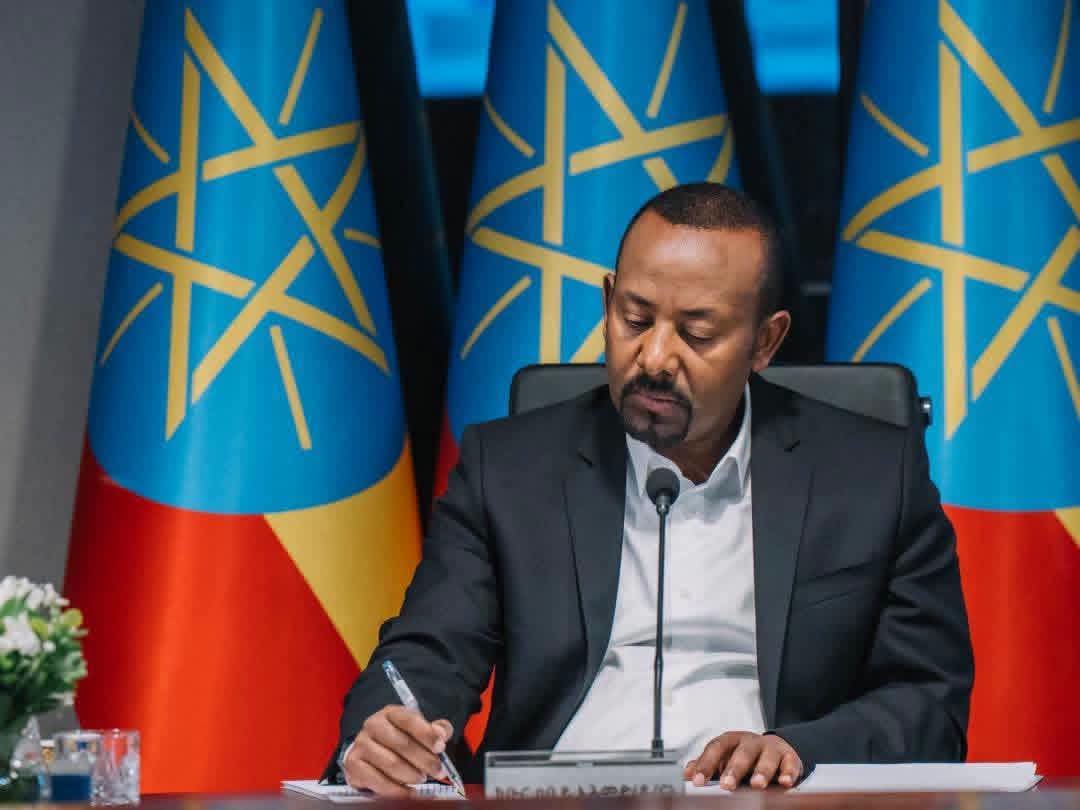
Under Prime Minister Abiy Ahmed, Ethiopia has embarked on an ambitious, state-led development agenda framed around Medemer—the political philosophy of mutual synergy and national cohesion. By positioning infrastructure not merely as public works but as the primary engine of socio-economic survival, the country is executing a high-stakes experiment in self-reliance.
The Crucible of Intentional Growth
When global macroeconomic pressures and regional tensions mounted over the past five years, standard economic models dictated fiscal retreat. Facing severe headwinds, most developing economies pause capital expenditure, trim public budgets, and prioritize short-term stabilization.
Ethiopia chose an assertive alternative: doubling down on national infrastructure as a catalyst for recovery.
“Developing a nation is a responsibility entrusted to every generation. We will envision, build, and pass on a stronger Ethiopia to the next generation.”
— Prime Minister Abiy Ahmed
Driven by this mandate, mega-projects were accelerated rather than deferred. The strategy rested on a straightforward premise: direct physical investment creates employment, modernizes trade networks, builds public confidence, and establishes the foundational assets required for long-term economic independence.
Solutions in Action Across Key Sectors
Examined through a solutions-focused lens, strategic public investments are systematically addressing long-standing structural bottlenecks across the state:
Urban Modernization and Public Infrastructure
-
The Challenge: High urban density, aging transport corridors, and a lack of public green spaces in growing metropolitan areas.
-
The Solution: The Corridor Development Projects, alongside flagship urban spaces like Entoto, Unity, and Friendship Parks, have restructured the capital’s spatial layout.
-
The Impact: Modernized transit routes have streamlined city logistics, integrated smart utility networks, and expanded civic recreation—elevating Addis Ababa’s standing as a global diplomatic hub.
Clean Energy Independence and Regional Exports
-
The Challenge: Historical power deficits, energy poverty in rural communities, and economic strain from heavy energy imports.
-
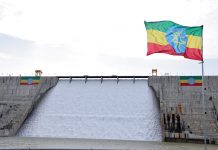
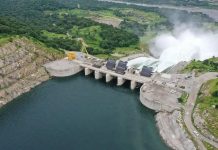
The Solution: The completion of reservoir filling and initial turbine operation at the Grand Ethiopian Renaissance Dam (GERD), progressing toward its 5,150-megawatt installed generation capacity.
-
The Impact: The GERD has significantly expanded national grid power, stabilized electricity access for industrial parks, and enabled commercial cross-border power sales to Kenya, Djibouti, and Sudan—positioning Ethiopia as a clean energy anchor in East Africa.
Agricultural Transformation and Food Security
-
The Challenge: Chronic reliance on wheat imports and vulnerability to seasonal rainfall shifts.
-
The Solution: Massive state investment in dry-season irrigated wheat farming and mechanized cluster agriculture.
-
The Impact: Ethiopia transformed its wheat sector, moving from heavy import dependence toward domestic self-sufficiency and strategic export capacity, establishing a replicable model for climate-resilient farming.
Regional Eco-Tourism and Economic Diversification
-
The Challenge: Heavy concentration of tourism revenue in legacy cultural hubs and underutilized natural landscapes in regional states.
-
The Solution: Targeted eco-tourism initiatives under the Gebeta LeHager (Dine for the Nation) and Gebeta LeTiwulid (Dine for the Generation) programs—developing destinations such as Gorgora, Wonchi, Koysha, and Halala Kella.
-
The Impact: Environmentally integrated resorts have unlocked new job opportunities, built regional service supply chains, and distributed economic benefits directly into rural communities.
The Blueprint for Sustained Impact
To ensure maximum long-term returns on these public investments, Ethiopia’s execution strategy focuses on three core operational pillars:
-
Disciplined Execution: Cultivating a public-sector culture guided by speed and strict quality control to eliminate historical project delays.
-
Infrastructure Monetization: Directing physical assets—such as high-voltage transmission lines and new highway corridors—to immediately link producers to local and international markets.
-
Broad-Based Reinvestment: Reinvesting revenue generated from energy exports and eco-tourism directly into regional healthcare, education, and community infrastructure.
A Vision Transformed
Ethiopia’s trajectory over the past five years demonstrates how clear vision, when backed by disciplined execution, can reshape a country’s economic reality.
By constructing Africa’s largest hydroelectric facility, turning dry lowlands into productive wheat belts, and modernizing urban centers, Ethiopia has laid the physical foundation for a self-reliant future. Guided by the principle to “appreciate yesterday, work today, and inherit tomorrow as victors,” the nation continues to rewrite its narrative through tangible engineering and economic progress.