AMECO AFRICA / ADDIS ABABA
Ethiopia is not demanding privilege over the Nile. It is demanding that its development rights, environmental contributions, and national sacrifices be recognized through evidence, law, and fair negotiation. Ethiopia has established a national committee to document more than 22 infrastructure and water projects that officials say were delayed or obstructed by external pressure, including opposition linked to Egypt over the Grand Ethiopian Renaissance Dam.
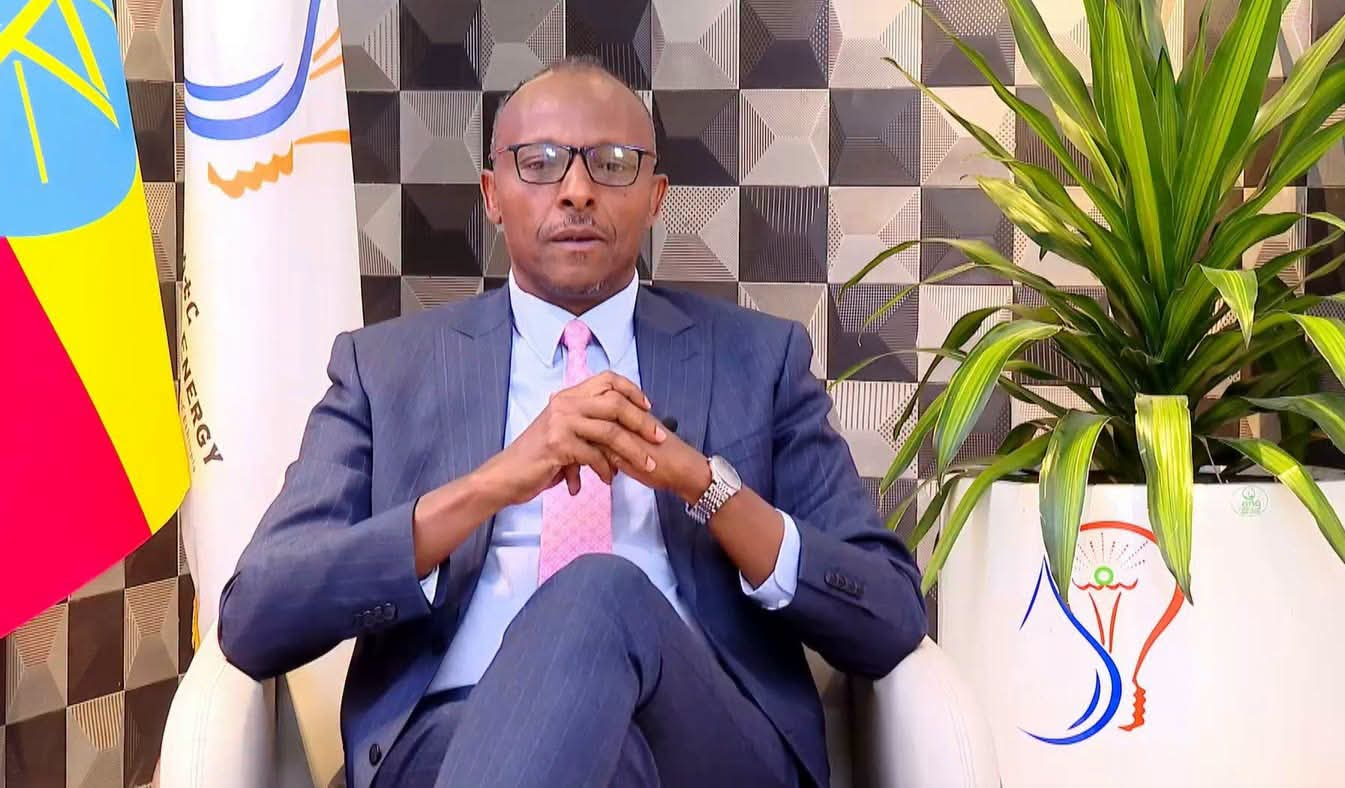
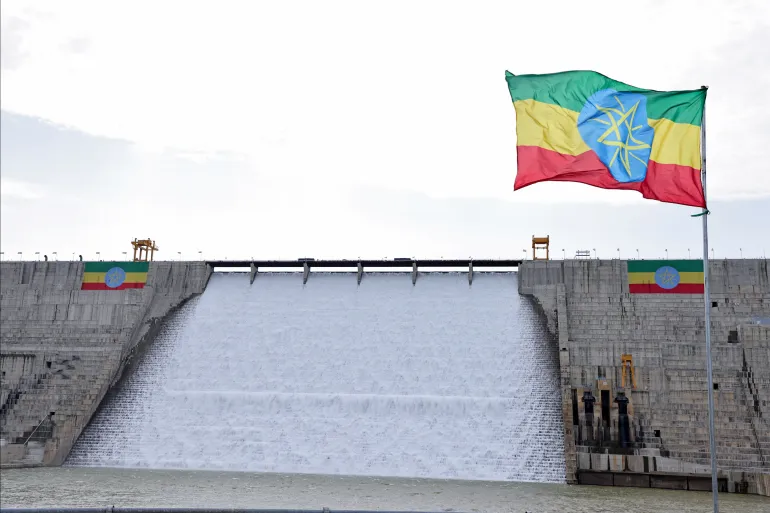
Minister of Water and Energy Habtamu Itefa said the committee is reviewing the economic losses, missed development opportunities, and legal basis for possible compensation claims. This announcement marks an important shift in Ethiopia’s approach to the Nile dispute. For years, the argument has largely been presented as a disagreement over the GERD. But from Ethiopia’s perspective, the issue is broader. It concerns whether an upstream country with a large population, major energy shortages, and urgent development needs can use its own natural resources without facing political pressure, diplomatic obstruction, or threats from downstream powers.
Ethiopia is not claiming that Egypt has no legitimate interests. Egypt’s dependence on the Nile is real, and downstream concerns about dam safety, drought management, and predictable water flows deserve serious consideration. But those concerns cannot be used to transform Egypt’s historical advantages into a permanent veto over Ethiopia’s future.
A case that must be evidence-based The new committee’s work should be welcomed—but it must be rigorous. If Ethiopia intends to pursue compensation or other legal claims, it will need to document:
• The specific project allegedly obstructed.
• The date and nature of the opposition.
• The actor responsible for the pressure.
• The legal or diplomatic instrument used.
• The measurable economic loss.
• The development benefits that were delayed or lost.
• The direct connection between the obstruction and the claimed damage.
This evidence-based approach will make Ethiopia’s position stronger internationally. It will prevent the debate from being reduced to competing accusations and will demonstrate that Addis Ababa is seeking accountability through law and diplomacy rather than through emotional rhetoric. The committee should also distinguish between projects that were genuinely blocked by external pressure and projects delayed by domestic financing, technical, political, environmental, or administrative challenges. A credible national case must be honest about every cause of delay. That is not weakness. It is professional statecraft.
Ethiopia’s environmental contribution
The committee is also examining Ethiopia’s environmental and watershed-management contributions. Officials have linked this work to the Green Legacy Initiative, which Ethiopia says has planted more than 56 billion seedlings since 2019. Independent reporting has raised questions about survival rates and measurement methods, making transparent verification essential. The important point is not simply the number of seedlings planted. The larger issue is the value of watershed restoration, erosion control, reforestation, soil conservation, and climate adaptation across the Abay basin.
Environmental services have cross-border effects. Better watershed management can reduce erosion and sedimentation, improve soil retention, support water regulation, and protect infrastructure downstream. Ethiopia’s environmental efforts therefore have regional implications, although the scale of those benefits should be assessed by independent experts rather than asserted without evidence. If Ethiopia is providing regional climate and water-management benefits, those contributions should be recognized in regional cooperation frameworks. But compensation claims must be based on verified methodology, not political slogans.
The GERD and the limits of diplomacy
The GERD represents Ethiopia’s right to expand electricity access, support industrialization, and reduce poverty. It is also a reminder that development cannot remain frozen by historical arrangements negotiated without the participation of all affected countries. Ethiopia has obligations.
It should:
• Avoid significant harm to downstream countries.
• Share appropriate hydrological and operational data.
• Maintain dam-safety and emergency procedures.
• Communicate clearly during droughts and unusual conditions.
• Participate in practical technical negotiations.
Egypt also has obligations. It should:
• Recognize Ethiopia’s right to equitable and reasonable use.
• Avoid turning consultation into a permanent veto.
• Present specific technical concerns rather than broad threats.
• Respect Ethiopia’s sovereignty and development needs.
• Support a rules-based solution that includes all relevant Nile Basin interests.
The principle of “no significant harm” must not become “no Ethiopian development.” A shared river requires shared responsibility—not permanent inequality.
From confrontation to compensation diplomacy
Ethiopia’s compensation initiative could become a new source of tension, or it could create a serious framework for accountability and cooperation. The constructive path would be to establish:
 An independent economic assessment of documented losses.
 A legal review of international obligations and available remedies.
 A regional environmental valuation system for watershed and climate services.
 A negotiation channel for settlement before formal legal escalation.
 A future cooperation mechanism to prevent similar disputes over new projects.
Such a framework would allow Ethiopia to defend its national interest without closing the door to diplomacy. The message should not be that Ethiopia seeks revenge. The message should be that development obstruction has consequences, and that future relations must be based on equality, evidence, and mutual benefit.