AMECO AFRICA / ADDIS ABABA
October 2026— Ethiopia’s pursuit of reliable access to the sea is increasingly being presented as part of a broader national development and regional integration agenda, rather than as an issue to be considered in isolation.
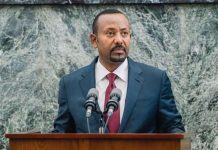
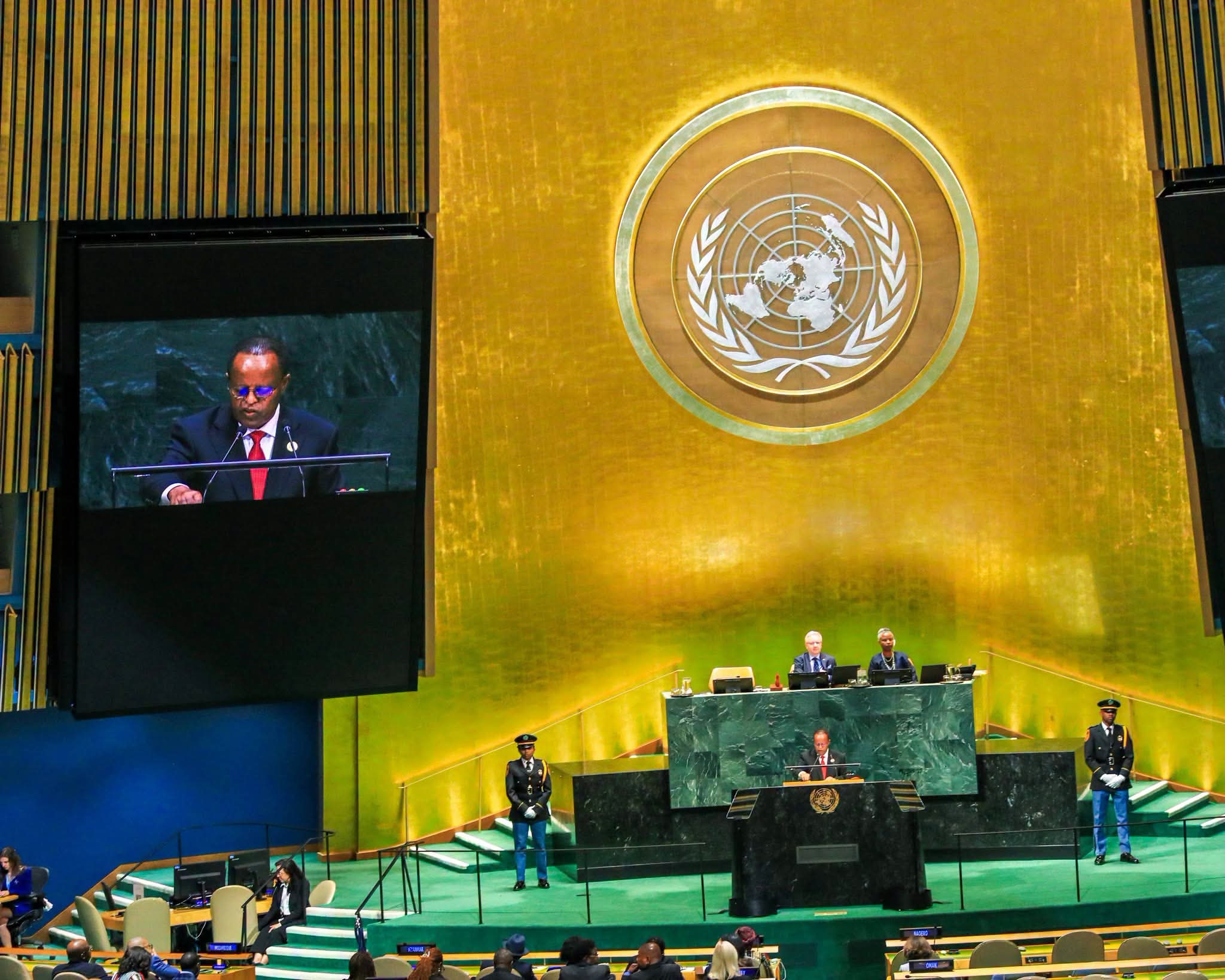
Addressing the 81st United Nations General Assembly in September, President Taye Atske-Selassie placed Ethiopia’s maritime aspiration within the country’s economic transformation and its wider engagement with the international system. He told the Assembly that Ethiopia had come to recognize that building a strong economy could not generate sustained development without reliable and dependable access to the sea. He further said Ethiopia was pursuing all possible diplomatic avenues to secure access to and from the sea, while emphasizing that maritime access can be managed for the common benefit and progress of countries in the region.
The President’s message therefore links Ethiopia’s maritime interest with economic connectivity, regional cooperation and shared development. Rather than presenting access to the sea solely through a national-security or geopolitical lens, the argument places it within Ethiopia’s ambition to deepen integration into global trade and expand economic opportunities across the Horn of Africa.
This approach is consistent with President Taye’s broader message at the United Nations, where he emphasized stronger regional integration, infrastructure development and people-to-people ties. He also called for an end to external interference that undermines peace and solidarity in East Africa, arguing that the region’s people should be able to pursue peace and development.
The maritime question was subsequently reinforced at the national level by Prime Minister Dr. Abiy Ahmed in his address to the House of Peoples’ Representatives on October 5, following the formation of the new federal government. The Prime Minister described Ethiopia’s long-term national and developmental vision as closely linked to securing reliable maritime access. He stressed that Ethiopia would continue to pursue its national interests while strengthening its role as a decisive regional state.
Prime Minister Abiy has also emphasized that Ethiopia intends to pursue maritime access through peaceful engagement and mutual benefit. In his parliamentary remarks, he reiterated the importance of the principle of give and take, making clear that Ethiopia’s objective is to secure an outlet to the sea through an approach that serves its long-term interests.
Taken together, the two leadership messages provide complementary perspectives. President Taye’s international framing places the issue within multilateral diplomacy, regional cooperation and global economic integration, while Prime Minister Abiy’s national framing connects it directly to Ethiopia’s development, modernization and long-term national interests.
The same principle can be extended to Ethiopia’s wider political agenda. The country’s recent National Dialogue process has moved from broad national consultation toward the institutional consideration of its consolidated agenda items and recommendations. Prime Minister Abiy described the formal handover of the recommendations to federal and regional institutions as an important milestone in the process.
This creates a broader narrative in which peace at home, regional cooperation and international engagement reinforce one another. Ethiopia’s ability to pursue economic transformation requires stability and dialogue domestically, constructive relations with neighboring countries and effective engagement with international institutions.
For an international audience, therefore, Ethiopia’s maritime aspiration can be understood as part of a larger national vision: connecting a growing economy to global markets, strengthening regional integration, advancing peaceful diplomacy and ensuring that Ethiopia’s geographic realities are considered within a framework of shared regional development.
In this context, Ethiopia’s message is not limited to the question of obtaining access to the sea. It is also a call for a regional order in which connectivity, trade, infrastructure and economic cooperation can serve the interests of Ethiopia and its neighbors alike.