AMECO AFRICA
As a new government prepares to take office, the Ethiopian public is looking beyond standard policy speeches. Instead, citizens are handing the incoming administration a blueprint crafted by the nation itself. Following the conclusion of the 7th General Election, attention across the country is fixed on one decisive question: how rapidly will the incoming government act on the recommendations of the Ethiopian National Dialogue?
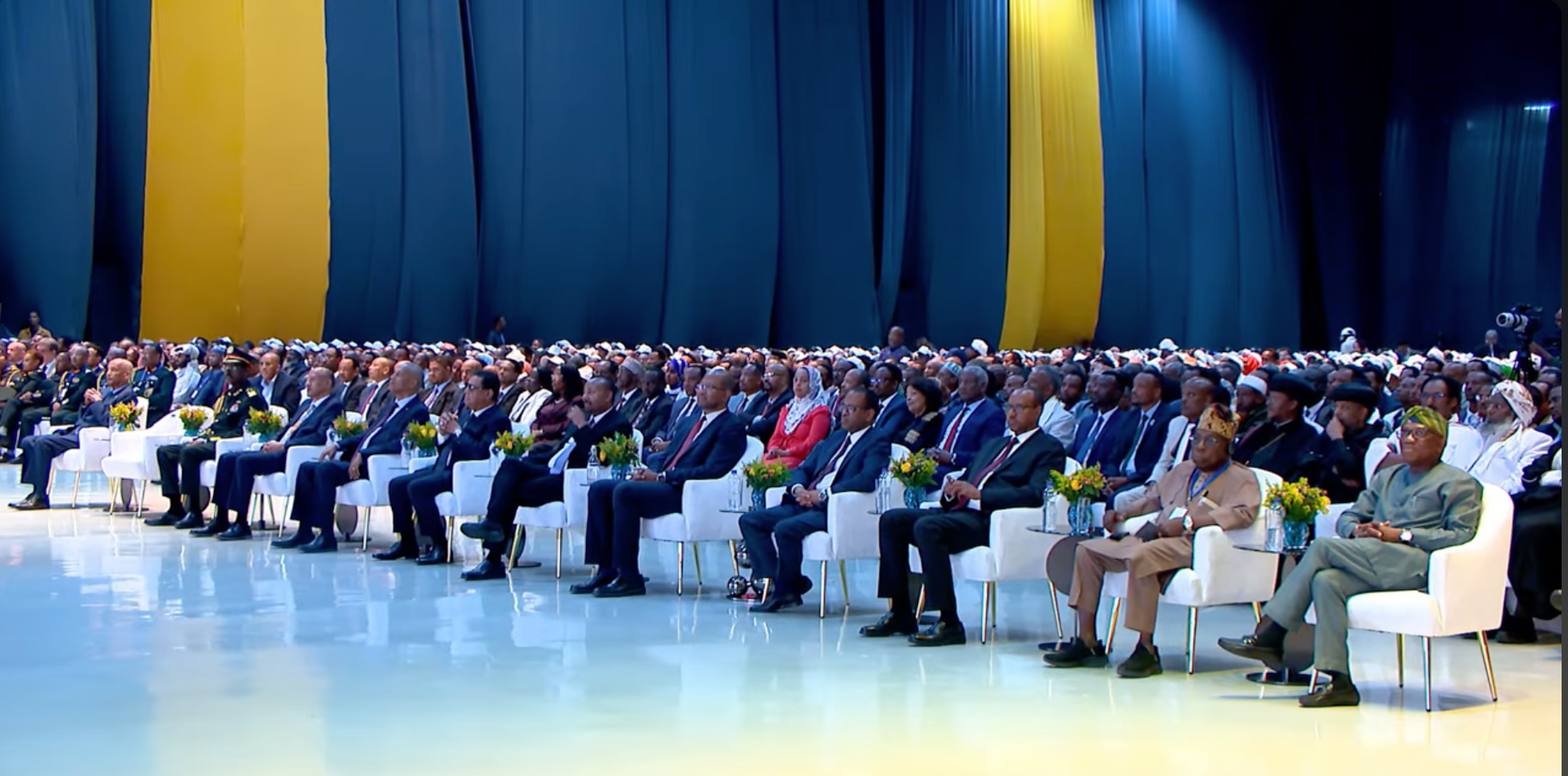
With the ruling Prosperity Party set to form the new administration under Prime Minister Abiy Ahmed after securing its parliamentary majority, the government’s formal political mandate is established. Yet political consensus requires more than an electoral victory. Over past months, millions of citizens, political figures, and civic groups participated in consultation sessions organized by the Ethiopian National Dialogue Commission, culminating in a comprehensive set of national recommendations.
These recommendations target Ethiopia’s most contestable national issues: constitutional state-building, institutional rule of law, sustainable peacebuilding mechanisms, and economic equity designed to benefit both rural farmers and urban communities. For the public, these conclusions are not mere suggestions—they represent a hard-earned national consensus on how the country must move forward.
Consequently, public expectations remain at an all-time high. Ethiopians across all regions are calling on the incoming executive cabinet to convert these consensus points into immediate legislation, institutional reforms, and direct policy action. The demand echoing from communities to newsrooms is straightforward: dialogue must now turn into delivery.
An election provides a government with its legal authority, but delivering on the outcome of the national dialogue is what will define its legacy. The roadmap has been established—now, execution is everything.