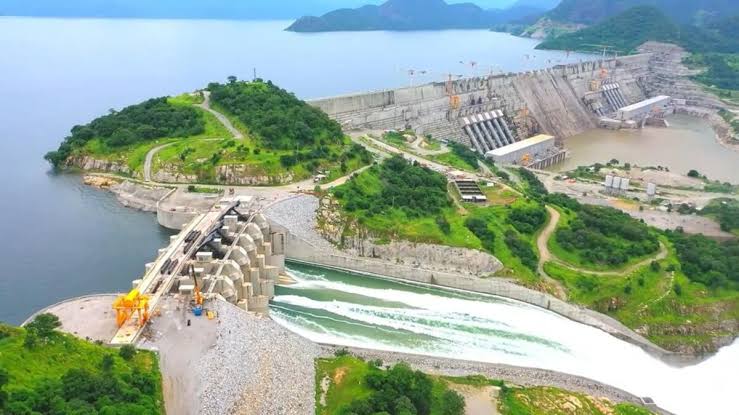
Addis Ababa ( AMECO Africa)— Ethiopia is positioning a new generation of ambitious mega-projects — led by the landmark Grand Ethiopian Renaissance Dam (GERD) and a planned mega-airport in Bishoftu — as practical, long-term solutions to cross-border energy deficits and regional trade fragmentation across Africa.
Underpinned by centuries of statehood and a national modernization drive, the flagship developments are being framed not merely as domestic growth drivers, but as major milestones designed to foster continental pride and economic integration.
At the forefront of this regional energy strategy is the GERD on the Blue Nile. Attending the dam’s inauguration ceremony in Guba alongside African heads of state and regional dignitaries, Kenyan President William Samoei Ruto praised the project as far more than a national landmark, describing it as a vital “source of light” for the continent and a crucial engine for regional economic integration through cross-border power sharing.
Complementing these energy solutions is the mega-airport project at Bishoftu, designed to consolidate Ethiopia’s position as a primary aviation hub linking Africa with global trade corridors. Launching the project, Prime Minister Abiy Ahmed stated that the facility would be unmatched across the continent, acting as a gateway to accelerate intra-African commerce and tourism.
Beyond hydro-power and aviation, the development push encompasses a broader portfolio of capital projects aimed at structural economic transformation. These include additional hydroelectric facilities, urban and rural corridor upgrades under the Gebeta (‘Dine’) national fundraising initiatives — including ‘Dine for Sheger’, ‘Dine for Nation’, and ‘Dine for Generation’ — as well as industrial expansion in fertilizer production, natural gas exploration, and wind energy.
Supporters argue that these capital investments provide scalable responses to pressing socio-economic hurdles. By pairing physical infrastructure expansion with industrial diversification, the initiatives aim to elevate domestic living standards, boost national productivity, and strengthen regional economic self-reliance.