Addis Ababa (AMECO)- African countries must strengthen joint cooperation and fortify regional health systems to tackle health challenges that respect no international borders, Ethiopia’s health minister, Dr Mekdes Daba, has warned.
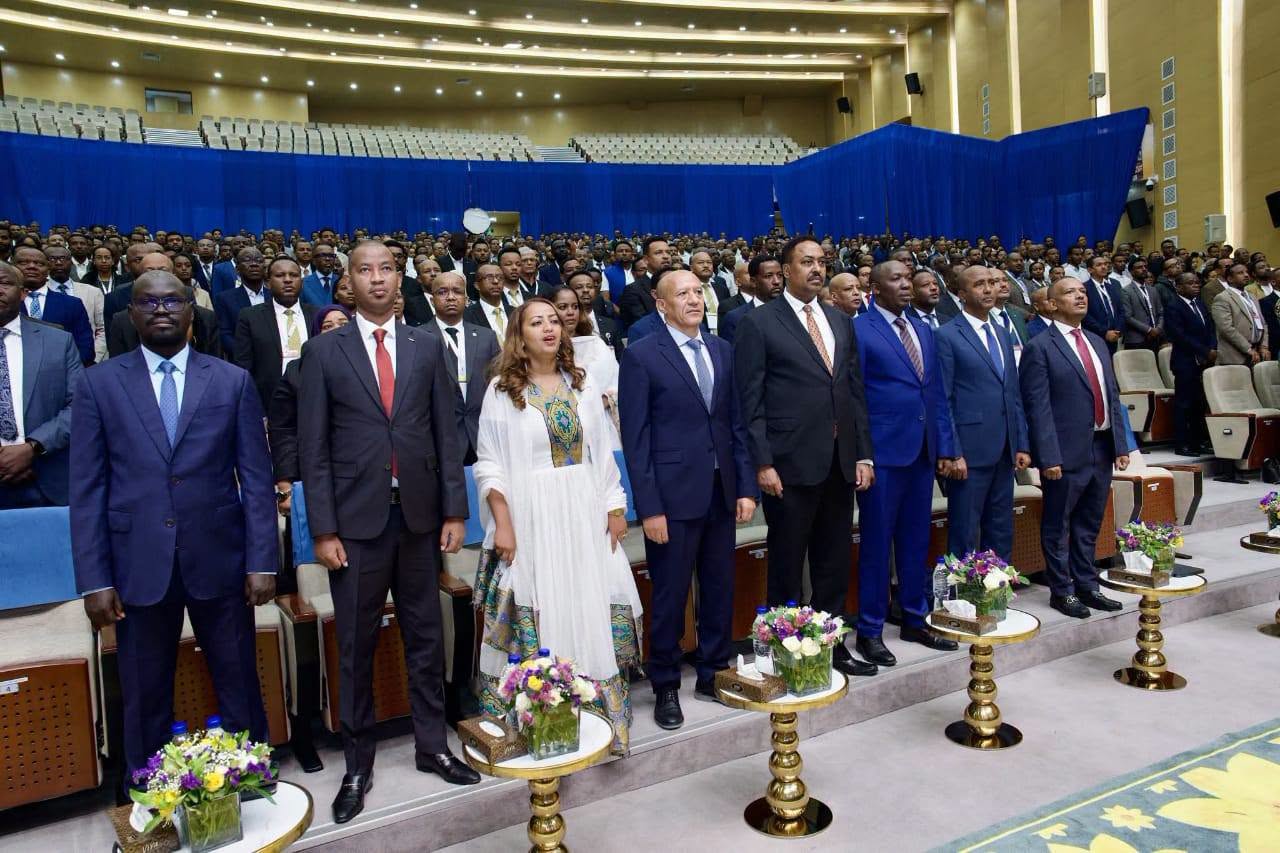
Speaking at the 13th Eastern Africa Healthcare Federation Conference and Exhibition, Dr Mekdes described the summit’s central theme—“Building Eastern Africa’s Health Economy”—as both timely and vital for continental resilience.
She highlighted several priority areas requiring urgent cross-border collaboration, including health security, sustainable financing, medical supply chains, technological integration, climate change response, and the mobility of healthcare professionals.
She also noted that the Covid-19 pandemic exposed the severe vulnerabilities of relying on external pharmaceutical supplies. In response, she urged African nations to establish regional pharmaceutical and medical equipment manufacturing bases to secure supply chains against future global shocks.
Outlining local efforts, the minister stated that Ethiopia is expanding its domestic capacity in pharmaceutical production, medical technology, and healthcare research. She emphasised that public-private partnerships will be essential to this transformation, noting that private sector capital, technology, and innovation are critical to building sustainable healthcare infrastructure.
Reflecting on Ethiopia’s progress over the past two decades, dr Mekdes pointed to notable gains in expanding primary healthcare, upgrading infrastructure, training health workers, and improving maternal and child health outcomes. However, she acknowledged that these achievements remain insufficient.
According to the minister, future efforts must pivot toward improving the quality, accessibility, and overall efficiency of care. This includes leveraging digital health and telehealth tools, alongside embedding a “One Health” approach that treats human, animal, and environmental health as interconnected systems.
Ultimate success,dr Mekdes concluded, depends entirely on regional solidarity, as no single nation can solve systemic health crises in isolation.