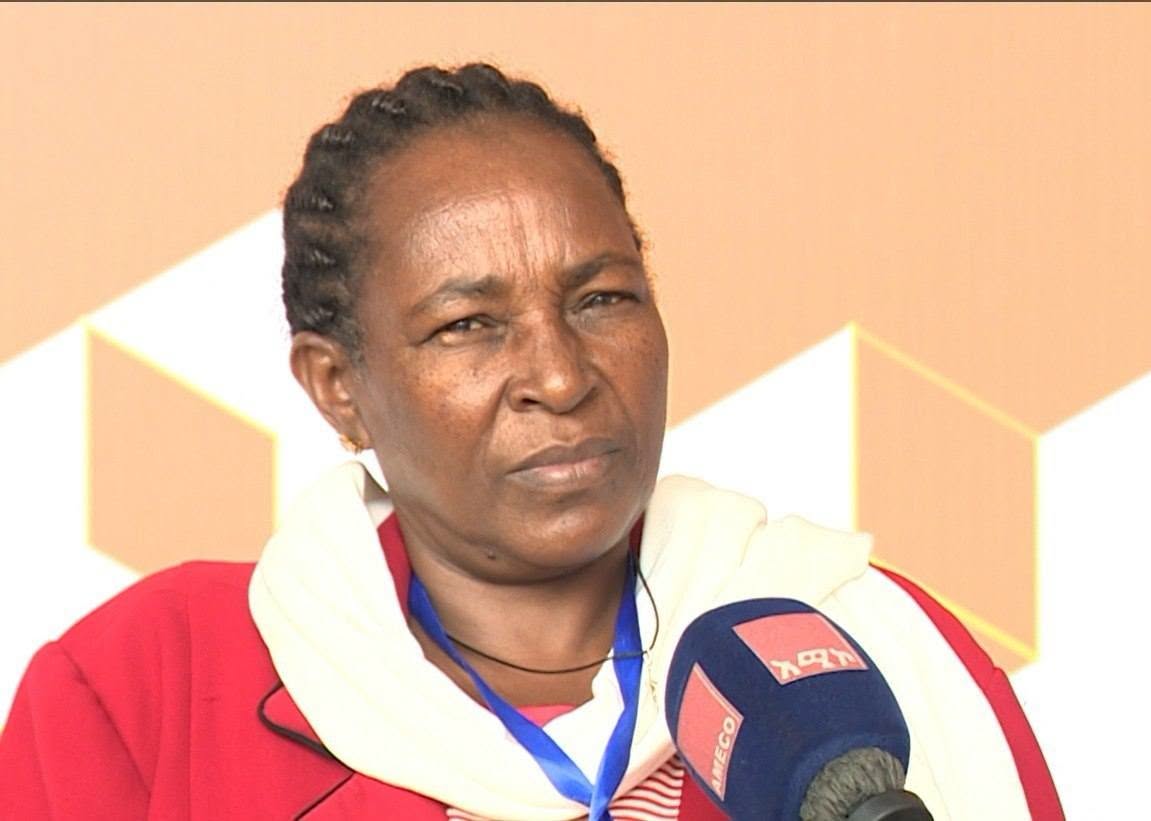
“Nation-Building Requires Everyone’s Participation”: Delegates with Disabilities Join Ethiopia’s National Dialogue
Addis Ababa, (AMECO) — As legendary singer-songwriter Stevie Wonder once observed, “Just because a man lacks the use of his eyes doesn’t mean he lacks vision.” Likewise, disability advocate Robert M. Hensel famously urged: “Know me for my abilities, not my disability.”
These principles are taking center stage at the Ethiopian National Dialogue Conference, where delegates with disabilities are actively asserting their role in shaping the country’s future.
Historically, persons with disabilities in Ethiopia faced systemic marginalization and were rarely included in key political processes. Recent initiatives toward broader civic inclusion, however, have enabled representatives from the disability community to take an active, influential role in national consultations.
Amplifying Voices and Fostering National Unity
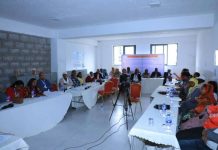
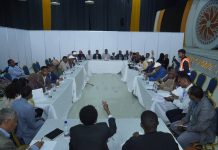
Delegates participating in the consultations highlighted the conference as a vital turning point for civic empowerment and social cohesion:
-
Equal Opportunity and Integration: Conference delegate Zeritu Mamo noted that the dialogue offers an unprecedented platform for persons with disabilities to be heard. She emphasized that expanding access to education and employment enables individuals to move beyond societal isolation and actively contribute to nation-building.
-
Strength Through Inclusivity: Delegate Jemila Abdella underscored the comprehensive nature of the forum, stating that a nation that embraces every citizen regardless of physical ability is ultimately a more resilient society.
-
Peace and Legacy for Future Generations: Delegate Eden Getachew stressed that the forum allows participants to express their views freely on critical national affairs. Pointing to the devastating toll of armed conflict, she called on all Ethiopians to leave a legacy of peace, unity, and continuous dialogue.
The Ethiopian National Dialogue Commission reaffirmed that maintaining broad multi-sectoral representation—including the full integration of marginalized groups—remains central to formulating recommendations for lasting peace.