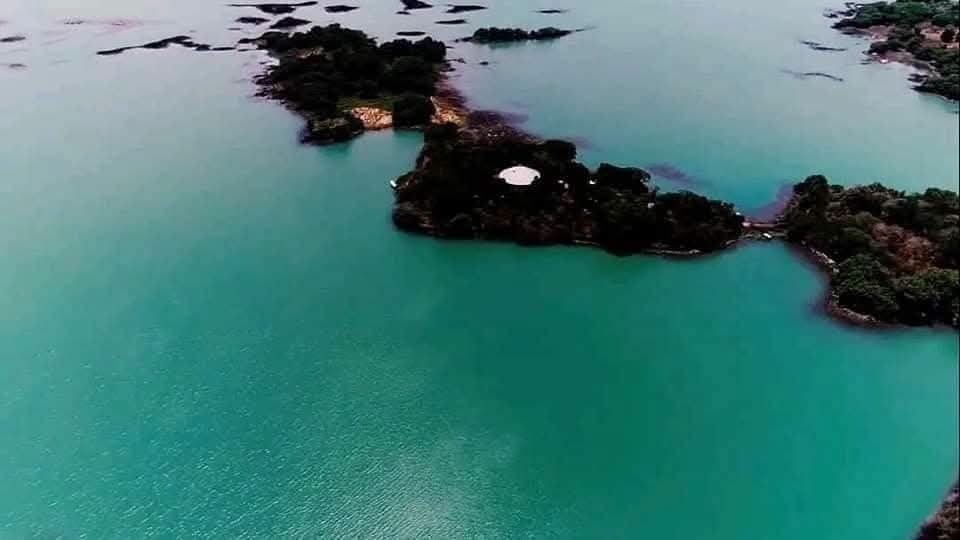
Addis Ababa (AMECO) – Set amid the waters of Lake Tana, Dek Island blends ancient imperial heritage and rich mango orchards with a community striving to turn isolation into sustainable tourism.
Located 37 kilometres from Bahir Dar, Dek is the largest island on Lake Tana, defined by volcanic scenery, fertile soil and deep religious roots. It is home to seven historic monasteries, including Narga Selassie, Kidist Arsema, Kuta Maryam, Zibad Iyesus, Joga Yohannes, Gadena Giorgis and Daga Estifanos.
At Daga Estifanos, history is tangible. Local resident Yoseph Shiferaw points to the site’s imperial legacy, which preserves the remains of Emperor Susenyos and Emperor Bakaffa alongside the history of the 14th-century cleric Abune Hirut Amlak.
“The combination of historical, cultural and natural resources gives the island considerable potential,” says Yoseph, who was born and raised on Dek. Targeted investment and national promotion, he argues, could create vital economic opportunities for the community.
Daily life on Dek remains inextricably linked to Lake Tana. Boats serve as the sole link to Bahir Dar and Gondar, while artisanal fishing provides both food and income. Despite geographical isolation, two primary schools serve the island’s children.
Farming forms the bedrock of the local economy. Agriculture relies on maize, teff and chilli peppers, alongside fruit crops such as bananas and mangoes.
Mangoes have become Dek’s primary cash crop. “The mango harvest is a seasonal blessing,” says resident Yadalu Reda, noting that yields supply markets across Bahir Dar, particularly during the peak harvest in May. Farmers believe better agricultural inputs and direct market linkages could substantially increase household incomes.
Beyond farming, residents view eco-tourism and cultural heritage as the island’s next frontier. Dek’s mix of monastic architecture, serene lake views and agricultural landscapes offers a distinct destination for travellers exploring the Horn of Africa.
Islanders compare Dek’s development prospects to Gorgora, the northern lakeside town currently undergoing major infrastructure and resort development. For the community, long-term prosperity depends on leveraging assets already in place: centuries of history, fertile orchards and a unique island culture anchored in Lake Tana.